TL;DR
A thyroid test is crucial for diagnosing thyroid disorders, but what you eat and drink before the test can impact results. This article explores foods and beverages to steer clear of prior to your thyroid test to ensure accurate readings, offering guidance for a successful diagnosis.
Understanding the Thyroid Test
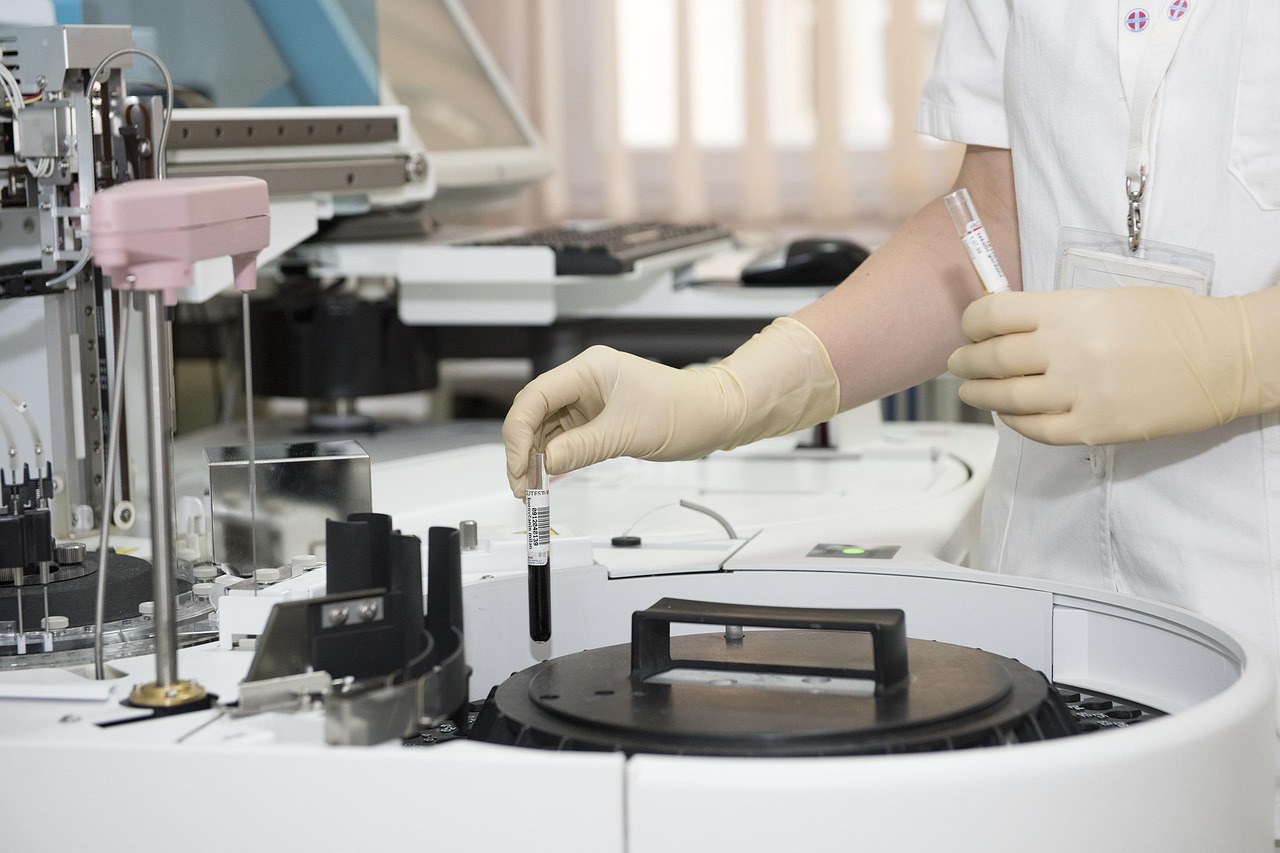
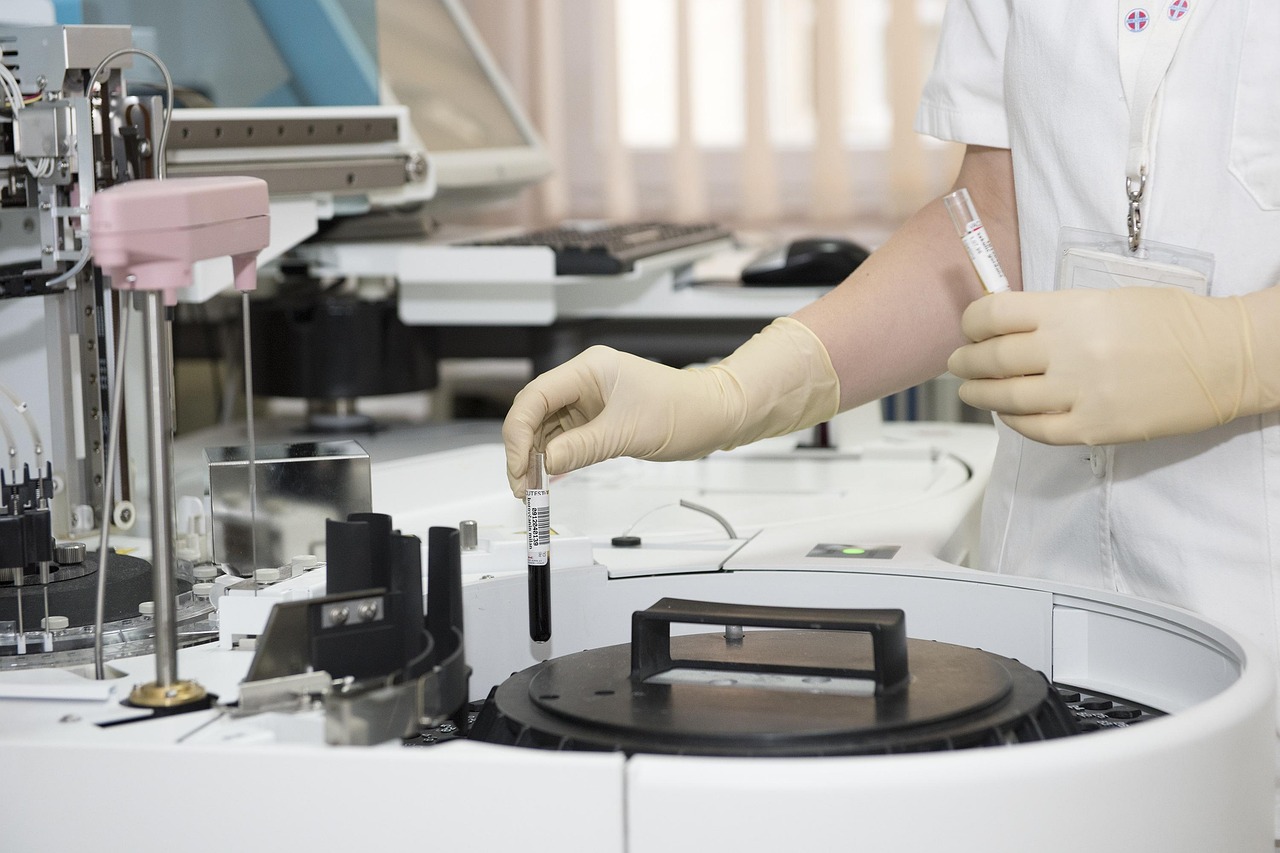
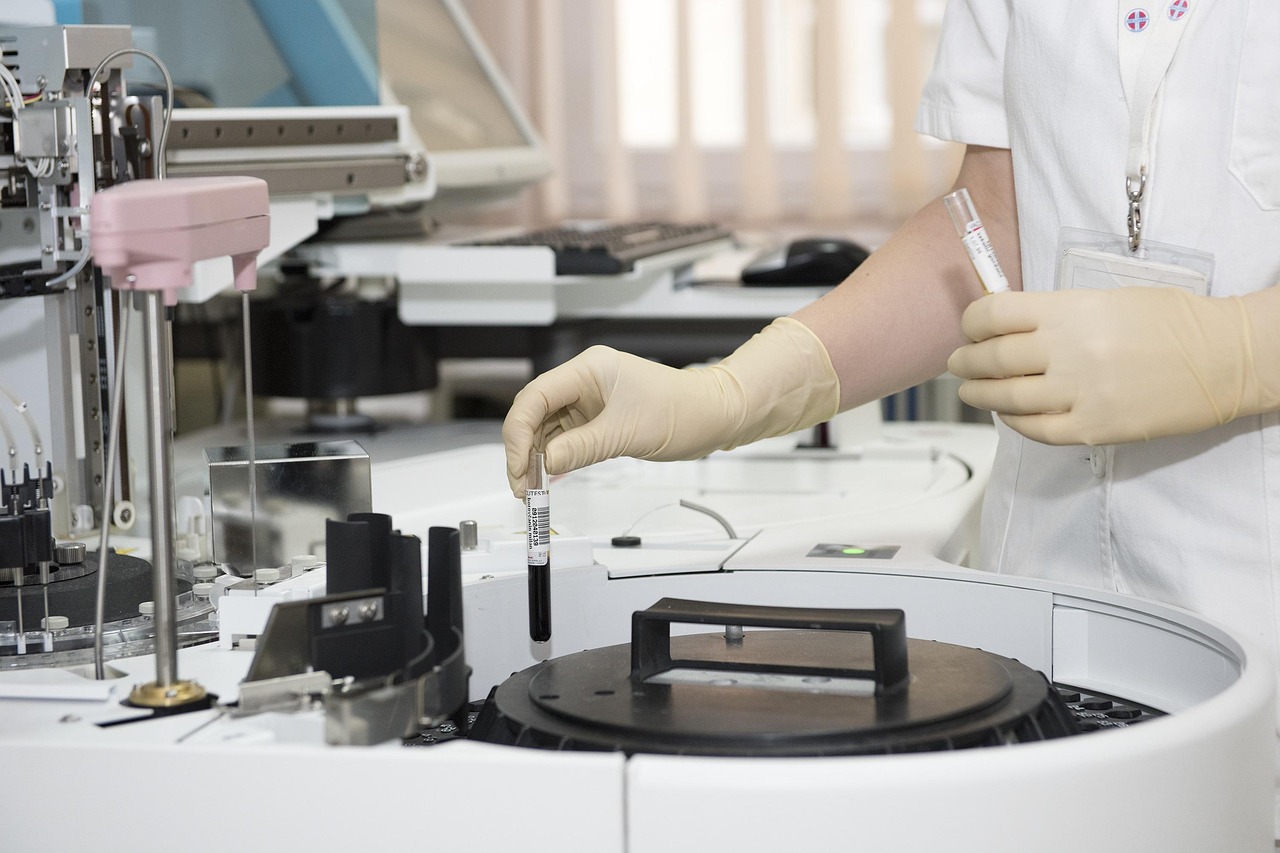
Before delving into dietary considerations, let’s understand what a thyroid test entails. A thyroid function test, often referred to as a thyroid panel or thyroid hormone test, measures the levels of specific hormones produced by your thyroid gland. These hormones play a pivotal role in regulating metabolism and influencing various bodily functions. Common tests include TSH (Thyroid-Stimulating Hormone), T3 (Triiodothyronine), and T4 (Thyroxine) tests.
Accurate results are essential for healthcare professionals to interpret your thyroid health accurately and recommend appropriate treatment. Therefore, preparing for the test is key, especially regarding diet.
Foods and Drinks to Avoid Before a Thyroid Test
Proper nutrition is vital for maintaining optimal thyroid function, but certain foods and beverages can interfere with test results. Here’s what you should steer clear of in the days leading up to your thyroid test:
1. High-Iodine Foods
Iodine is essential for thyroid hormone production. While a small amount of iodine is beneficial, excessive intake can affect test accuracy. Certain foods are naturally high in iodine:
- Seafood: Fish like shrimp, tuna, and cod contain significant amounts of iodine.
- Iodized Salt: Table salt often contains added iodine, which can impact test results.
- Dairy Products: Milk, cheese, and yogurt have varying iodine levels, so opt for low-iodine options if possible.
- Bread and Cereals: Some fortified bread and cereals are high in iodine to prevent deficiency.
2. Goitrogenic Foods
Goitrogens are compounds that can interfere with thyroid hormone production by inhibiting the thyroid’s ability to absorb iodine. These substances are found in several foods:
- Raw Cabbage: Includes all types of cabbage, such as broccoli, cauliflower, and Brussels sprouts.
- Turnips and Radishes: These root vegetables also contain goitrogens.
- Soy Products: Tofu, soy milk, and edamame are high in soy isoflavones, which can suppress thyroid function.
- Raw Spinach and Other Leafy Greens: While beneficial in moderation, excessive consumption of raw spinach may impact test results. Consider cooking these greens instead.
3. Caffeine and Alcohol
Caffeine and alcohol can disrupt hormone levels and affect thyroid function, potentially skewing test outcomes:
- Avoid or Limit Caffeine: Cut down on coffee, tea, energy drinks, and cola several days before the test. Caffeine stimulates the thyroid, which may influence test readings.
- Minimize Alcohol Intake: Alcohol can interfere with nutrient absorption and impact hormone regulation. Reduce or avoid alcohol consumption in the week leading up to your test.
4. Vitamin and Mineral Supplements
While essential for overall health, certain supplements can interact with thyroid tests:
- Iron Supplements: High doses of iron can affect TSH levels. If you’re taking an iron supplement, consult your doctor about temporarily discontinuing it before the test.
- Multivitamins Containing Iodine: Some multivitamins include iodine to prevent deficiency. Discontinue these supplements beforehand to avoid influencing test results.
What to Eat Instead?
To ensure accurate thyroid test results, focus on a balanced diet rich in these foods:
- Fresh fruits and vegetables (cooked, not raw)
- Lean proteins like chicken, fish, and tofu
- Whole grains and gluten-free options (as tolerated)
- Healthy fats from avocados, nuts, and seeds
- Low-fat dairy or dairy alternatives fortified with calcium and vitamin D
Preparation Tips for Your Thyroid Test
- Hydrate: Drink plenty of water to support overall health and ensure proper test procedures.
- Avoid Stress: Practice relaxation techniques to minimize stress levels, as chronic stress can impact hormone balance.
- Follow Medical Advice: Always adhere to your healthcare provider’s instructions regarding pre-test preparations.
- Document Medications: Make a list of any medications or supplements you’re taking and discuss potential interactions with your doctor.
Conclusion
A thyroid test is a valuable tool for evaluating thyroid health, but understanding what to avoid beforehand is essential for accurate results. By steering clear of high-iodine foods, goitrogenic substances, caffeine, alcohol, and certain supplements, you can ensure your thyroid test provides reliable data for an accurate diagnosis. Remember, proper preparation enhances the reliability of test outcomes, enabling healthcare professionals to offer tailored guidance for optimal thyroid health.
FAQ
1. Can I eat fruits before my thyroid test?
Fruits are generally beneficial for thyroid health, but avoid raw fruits in their entirety, especially apples, pears, and citrus fruits, due to their goitrogenic properties. Cooked fruits, however, are fine and can be a great part of your pre-test diet.
2. How long before my test should I avoid high-iodine foods?
It’s recommended to refrain from high-iodine foods for at least 48 hours prior to your thyroid test. This period ensures that any iodine consumed won’t interfere with the test results.
**3. What if I’m unsure about a food’s impact on my test? **
If you’re uncertain about a food’s potential effect, consult your healthcare provider or dietitian for guidance. They can offer personalized advice based on your specific situation and medical history.
4. Can I still consume dairy products before the test?
Dairy is usually fine, but opt for low-iodine options like skim milk, plain yogurt, and cheese without added iodine or iodized salt. This minimizes any potential impact on test results.
5. What about herbal teas? Might they affect the test?
Some herbal teas contain compounds that may interfere with thyroid function. Avoid them before the test, especially those with high levels of goitrogens or substances similar to iodine. Stick to decaffeinated options instead.