TL;DR
A thyroid test is crucial for diagnosing thyroid disorders, but what you eat and drink before the test can impact results. This article explores the essential foods and beverages to avoid prior to a thyroid test to ensure accurate readings. By following these guidelines, individuals can prepare effectively and obtain reliable thyroid function assessments.
Understanding Thyroid Tests
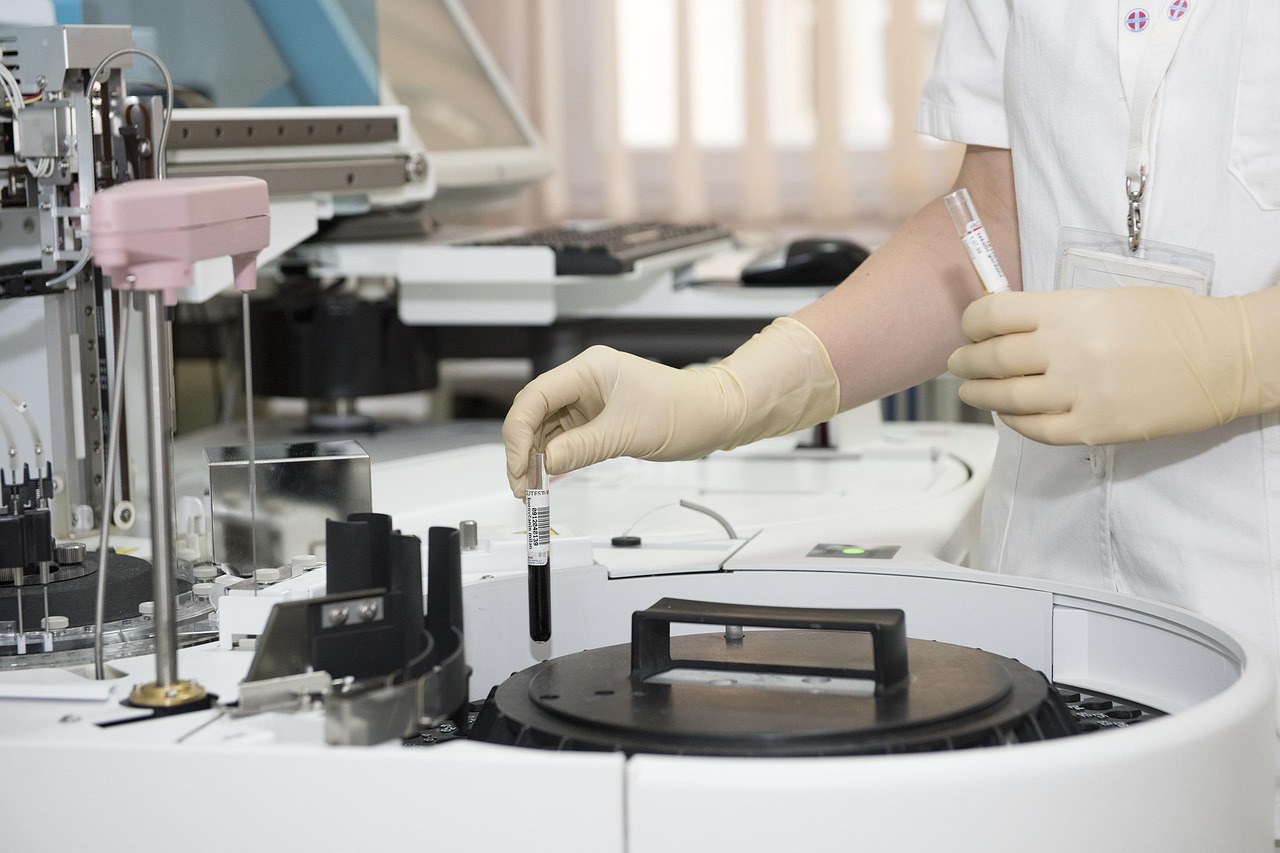
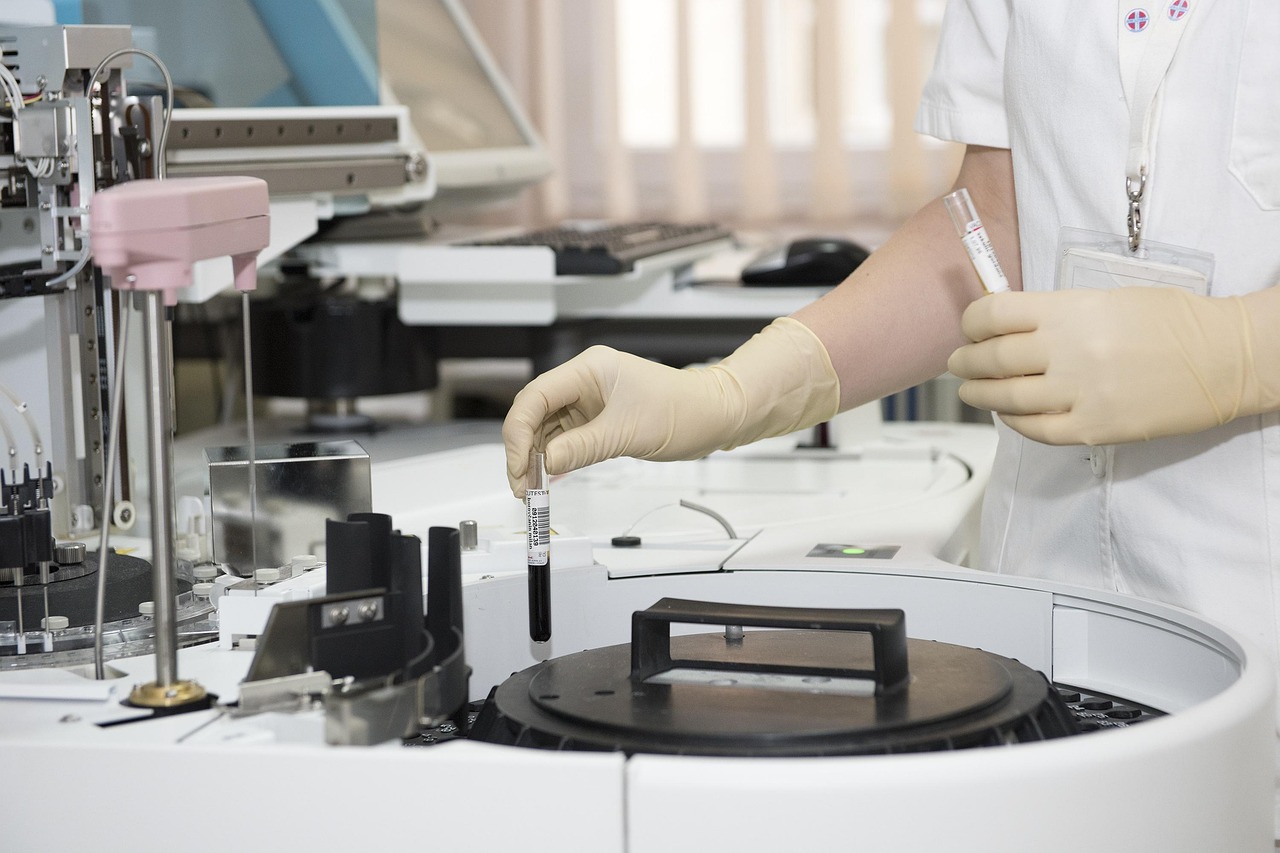
A thyroid test is a medical procedure that evaluates the functionality of your thyroid gland, a small, butterfly-shaped organ located at the base of your neck. These tests are essential for diagnosing conditions like hypothyroidism, hyperthyroidism, or thyroiditis. During a thyroid test, a healthcare professional takes a blood sample to measure hormone levels, providing insights into overall thyroid health.
Foods and Drinks to Avoid Before Your Thyroid Test
Preparing for a thyroid test involves more than just scheduling an appointment; it also requires dietary adjustments to ensure precise results. Certain foods and drinks can interfere with test accuracy, leading to misdiagnosis or false results. Here’s what you should steer clear of in the days leading up to your test:
1. High-Iodine Foods
Iodine is vital for thyroid hormone production, but excessive intake can impact test readings. Avoid foods rich in iodine, particularly in the days immediately before your test. These include:
- Iodized salt
- Seafood (especially seaweed and ocean fish)
- Dairy products, especially milk and cheese
- Eggs
2. Goitrogenic Substances
Goitrogens are compounds that can interfere with thyroid hormone synthesis. While they are naturally present in some foods, consuming them in excess before a test may affect results. Be mindful of:
- Raw cabbage, broccoli, cauliflower, and other cruciferous vegetables
- Soybeans, tofu, and soy milk
- Turnips and radishes
3. Caffeine and Alcohol
Caffeine and alcohol can disrupt hormone levels and affect your body’s overall balance, making them potential interferers in thyroid test accuracy. Avoid excessive consumption of:
- Coffee and tea
- Energy drinks
- Soft drinks containing caffeine
- Alcoholic beverages
4. Nutritional Supplements
Some supplements, especially those containing iodine or certain herbs known to affect thyroid function, should be temporarily discontinued before your test. Always consult with your healthcare provider regarding any supplements you are taking.
5. Processed Foods and Sugars
Highly processed foods and sugary snacks can cause blood sugar spikes and inflammation, which may indirectly impact thyroid function. Opt for whole, unprocessed foods instead to ensure a healthier testing environment:
- Refined carbohydrates (white bread, pastries)
- Sugary drinks and desserts
- Processed meats
What to Eat Instead?
While it’s crucial to avoid certain foods, focusing on a balanced diet rich in nutrient-dense options is equally important. Here are some dietary choices that support thyroid health:
- Fresh Fruits and Vegetables: Load up on colorful produce like berries, citrus fruits, spinach, and kale. These provide essential vitamins and minerals.
- Whole Grains: Choose brown rice, quinoa, and whole wheat bread over their refined counterparts.
- Lean Proteins: Fish (in moderation), poultry, lentils, and beans are excellent sources of protein.
- Healthy Fats: Avocados, nuts, olive oil, and fatty fish like salmon offer beneficial omega-3 fatty acids.
When is the Best Time to Eat Before Your Test?
To ensure optimal test results, consider these timing guidelines:
- Avoid eating or drinking anything (except water) at least 8–12 hours before your test.
- If you must take medications that require food, eat a light, low-iodine meal at least 2–3 hours before the test.
- After the test, resume your regular diet, being mindful of iodine and goitrogenic foods.
Frequently Asked Questions (FAQs)
-
Can I have tea or coffee before my thyroid test?
Yes, you can consume caffeine in moderation, but avoid excessive intake close to the testing time. Tea and coffee should be limited a few hours prior to ensure accurate results. -
What if I accidentally ate something high in iodine before the test? Should I reschedule?
If you’ve consumed a food high in iodine, it’s best not to panic. While it may slightly affect the test, rescheduling is typically not necessary unless your healthcare provider advises it. -
Are there any fruits or vegetables I should avoid for my thyroid test?
While all fresh fruits and vegetables are generally beneficial, no specific types need to be avoided before a thyroid test. A diverse diet rich in produce is ideal for overall health.
Conclusion
Preparing for a thyroid test involves more than just scheduling an appointment; it requires dietary adjustments to ensure accurate results. By avoiding high-iodine foods, goitrogenic substances, caffeine, alcohol, and certain supplements before your test, you can help provide clear and reliable data for your healthcare provider. Remember, optimal preparation leads to better diagnostics and ultimately, more effective treatment options.