TL;DR: To ensure accurate thyroid test results, it’s crucial to understand what your doctor might advise you to avoid before the test. This article delves into the reasons behind these precautions, highlighting common culprits and offering guidance for preparing for a reliable thyroid test.
Understanding the Importance of Thyroid Testing
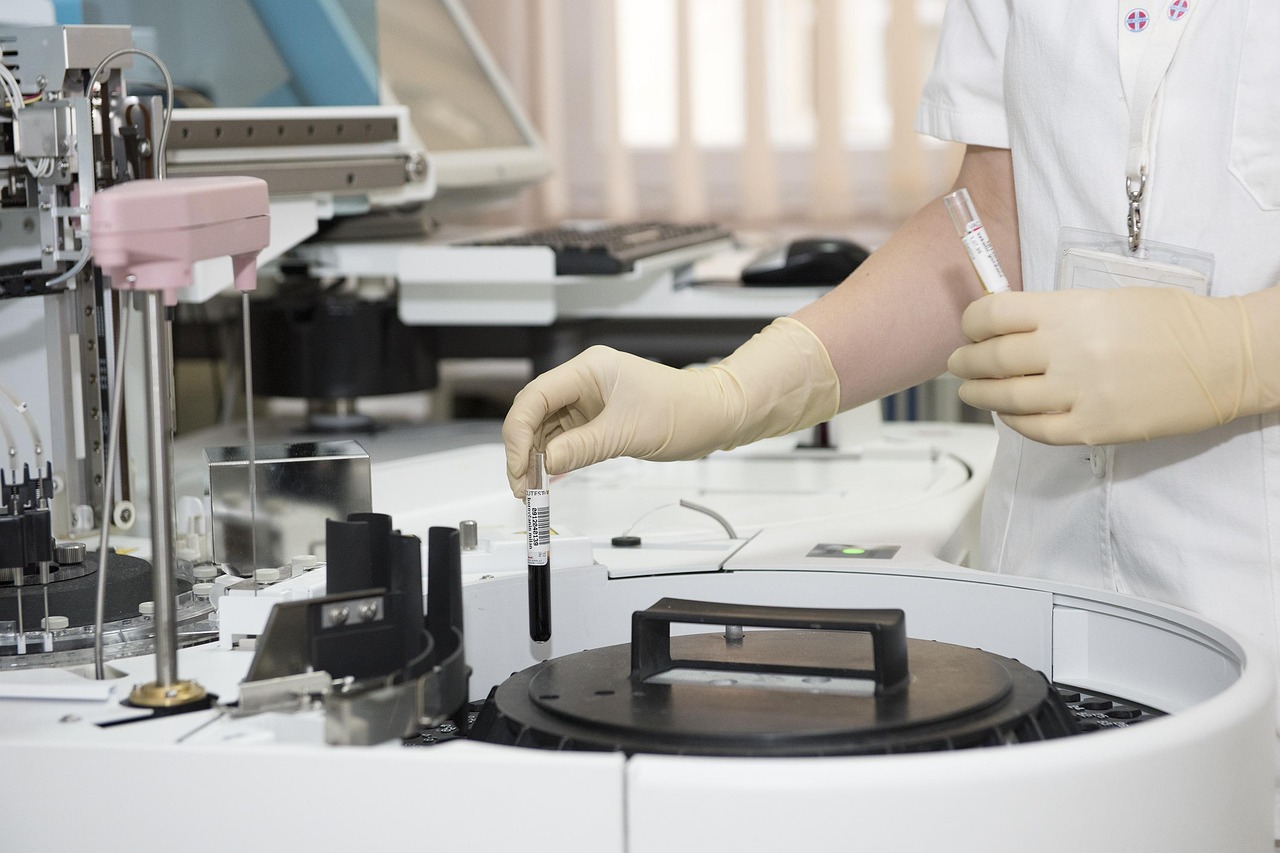
A thyroid test, often involving measuring thyroid-stimulating hormone (TSH) levels, is a vital tool for diagnosing thyroid disorders such as hypothyroidism, hyperthyroidism, and thyroiditis. Accurate results depend heavily on proper preparation. Your doctor might recommend specific adjustments to your routine before the test to minimize potential influences that could skew the findings.
What Your Doctor Might Advise You to Avoid Before a Thyroid Test
Here’s a breakdown of common recommendations:
1. Certain Medications
Why: Some medications can artificially elevate or depress TSH levels, leading to inaccurate test results.
Medications to Be Wary Of:
- Antidepressants (SSRIs and SNRIs)
- Beta-blockers (often prescribed for anxiety or high blood pressure)
- Certain antibiotics
- Medications for high blood pressure (especially diuretics)
- Lithium
- Nonsteroidal anti-inflammatory drugs (NSAIDs)
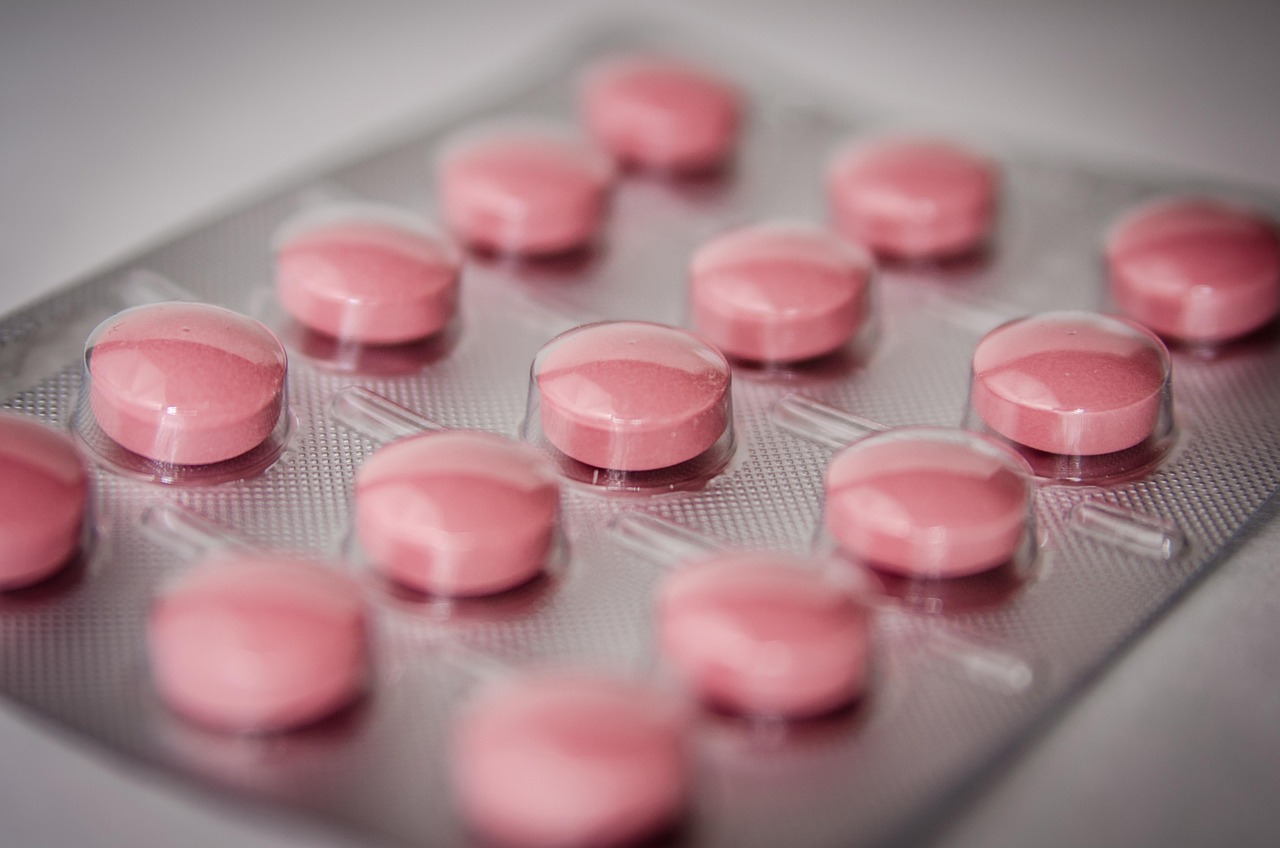
What to Do: If you’re taking any of these medications, consult your doctor. They may suggest temporarily stopping or adjusting the dose before your thyroid test.
2. Iodine-Containing Substances
Why: Iodine is crucial for thyroid hormone production. Consuming large amounts of iodine close to your test date can interfere with TSH levels.
Sources to Avoid:
- Table salt (use iodized or sea salt in moderation)
- Iodine supplements
- Seafood (especially shellfish and seaweed)
Timing is Key: Your doctor might recommend avoiding iodine-rich foods for a specific period before the test, often 24-48 hours.
3. Stress and Physical Exertion
Why: Both acute stress and intense physical activity can temporarily elevate cortisol levels, which can in turn affect TSH readings.
What to Do:
- Try to schedule your thyroid test during a relatively calm period.
- Avoid strenuous exercise or stressful situations right before the test.
4. Caffeine
Why: Caffeine stimulates the nervous system and can temporarily increase cortisol levels, potentially influencing TSH results.
Best Practice: Limit or avoid caffeine consumption for several hours (at least 6) before your thyroid test.
5. Alcohol
Why: Alcohol interferes with hormone production and metabolism, which could impact the accuracy of your thyroid test.
Recommendation: Avoid alcohol consumption for at least 24 hours before your scheduled test.
Preparing for Your Thyroid Test: Tips From Your Doctor
While some adjustments are crucial, other preparations can help ensure a smooth process:
- Inform your doctor about any medications or supplements you’re taking. This includes over-the-counter remedies and herbal supplements.
- Follow your doctor’s specific instructions carefully. Each practice may have unique guidelines based on your individual situation.
- Get a good night’s sleep before the test. Sleep deprivation can elevate cortisol levels, making TSH results harder to interpret.
- Eat a balanced meal before the test, but avoid excessive iodine. A nutritious meal helps maintain energy levels while minimizing iodine intake.
FAQ
Q: Can I eat food high in iodine before my thyroid test?
A: Generally, it’s recommended to avoid foods rich in iodine for 24-48 hours before the test to ensure accurate results. However, your doctor may have different instructions based on your specific situation, so consult them.
Q: How long do I need to stop taking my medication before a thyroid test?
A: The duration depends on the type of medication. Some medications may require temporary discontinuation for a few days, while others may only need dose adjustments. Always follow your doctor’s advice.
Q: Will stress affect my thyroid test results?
A: Yes, acute stress or intense exercise close to the test date can raise cortisol levels, potentially influencing TSH readings. Try to minimize stressful situations before your appointment.
Conclusion
Accurate thyroid tests are essential for proper diagnosis and treatment of thyroid conditions. By understanding what your doctor might ask you to avoid beforehand and following their specific guidance, you’ll ensure that your test results reflect your true thyroid health picture. Remember, always consult with your healthcare provider for personalized instructions tailored to your needs.