TL;DR
Before undergoing a thyroid test, it’s crucial to understand what preparations can enhance accuracy and provide reliable results. This checklist guides you through the do’s and don’ts of pre-test preparation, ensuring your thyroid function assessment is as precise as possible. By skipping certain activities and following best practices, you contribute to an accurate diagnosis and effective treatment planning.
Understanding the Importance of Thyroid Testing
A thyroid test is a critical tool for diagnosing thyroid disorders, such as hypothyroidism or hyperthyroidism. It evaluates the functionality of your thyroid gland, which plays a pivotal role in regulating metabolism. Accurate results depend on precise preparation to ensure reliable data and an accurate diagnosis. This checklist outlines steps to optimize your pre-test routine.
The Pre-Thyroid Test Checklist: What to Do and Skip
1. Skip Unnecessary Medications
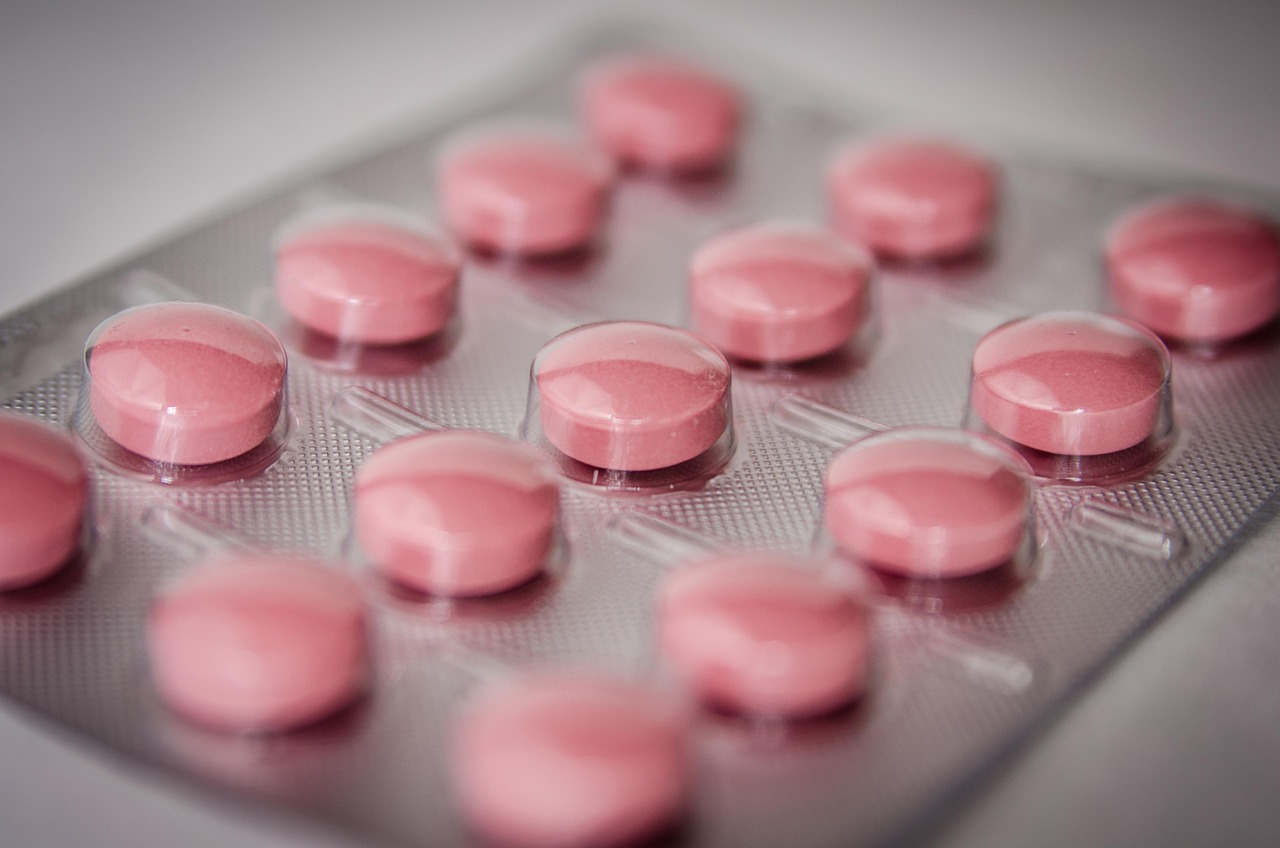
Certain medications can interfere with thyroid test results. Before scheduling your test, inform your healthcare provider about all drugs you’re taking, including over-the-counter supplements. They might advise you to stop or adjust the dosage temporarily to ensure accurate readings:
- Beta-blockers: Used for treating anxiety and high blood pressure, these medications can suppress thyroid hormones.
- Antipsychotics: Some antipsychotic drugs may impact thyroid function.
- Hormonal Contraceptives: Estrogen-based birth control methods can affect test results.
- Nonsteroidal Anti-Inflammatory Drugs (NSAIDs): These medications might alter thyroid levels.
2. Maintain a Normal Diet for 24 Hours Before the Test
Diet plays a significant role in regulating thyroid function. Avoid drastic dietary changes before your test to ensure consistent results:
- Avoid High Iodine Foods: Iodine is essential for thyroid hormone production. While not all restrictions are necessary, excessive consumption of iodinated foods (e.g., seafood, salt) can skew results.
- Steer Clear of Extreme Diets: Avoid fasting or extreme calorie restriction. Maintain a balanced diet to support optimal thyroid function.
- Stay Hydrated: Drink plenty of water to support overall health and ensure your body functions at its best during the test.
3. Get Enough Sleep the Night Before
Sleep is crucial for regulating hormones, including those that affect thyroid function. Aim for 7-9 hours of uninterrupted sleep the night before your test:
- Consistent Sleep Schedule: Maintain a regular sleep routine to ensure optimal rest.
- Relaxing Bedtime Routine: Implement calming activities before bed to enhance sleep quality.
4. Avoid Strenuous Exercise Immediately Before the Test
Intense physical activity can temporarily affect thyroid hormone levels. Schedule your test for a day when you haven’t engaged in strenuous exercise:
- Light Exercise: Maintain your regular routine, but avoid high-intensity workouts close to your appointment.
- Moderate Activity: Opt for gentle exercises like walking or stretching on the day of the test.
5. Do Not Take Supplements Without Consulting Your Doctor
Some supplements can interact with thyroid tests. Always discuss supplement use with your healthcare provider before taking any new supplements, especially:
- Iodine Supplements: These may impact test results and are generally not recommended unless directed by a doctor.
- Herbal Supplements: Certain herbs, like kelp or ginkgo biloba, can interfere with thyroid function and testing.
6. Follow Your Doctor’s Instructions Exactly
Your healthcare provider will give you specific instructions tailored to your situation. Adhere to these guidelines carefully:
- Test Timing: Follow the recommended timing for the test, which may involve fasting or specific food/drink restrictions before the procedure.
- Collection Details: Ensure proper sample collection by following instructions on where and how to provide the sample (e.g., blood draw, urine test).
- Question Your Doctor: Clarify any doubts about pre-test preparations during your consultation.
What to Expect During the Thyroid Test
Depending on your symptoms and medical history, different thyroid tests may be ordered:
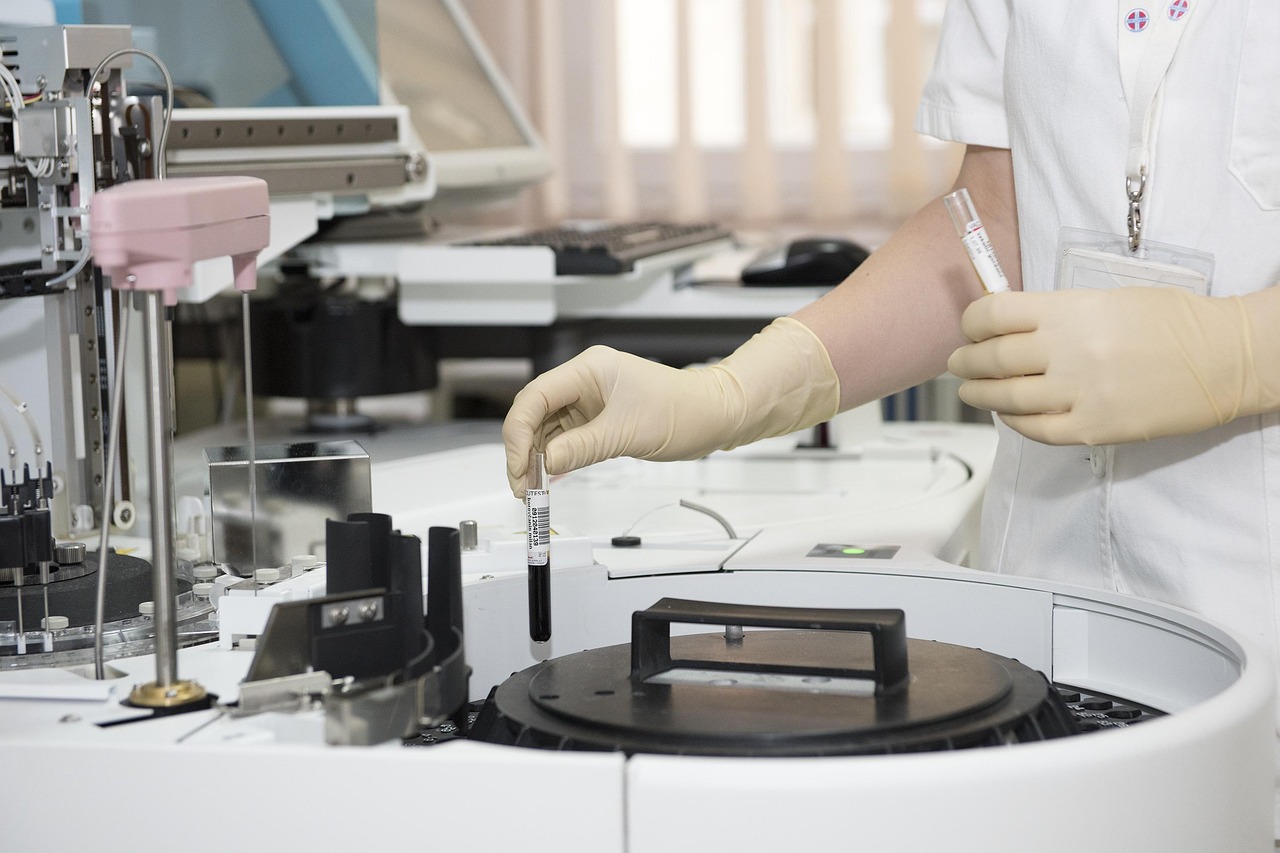
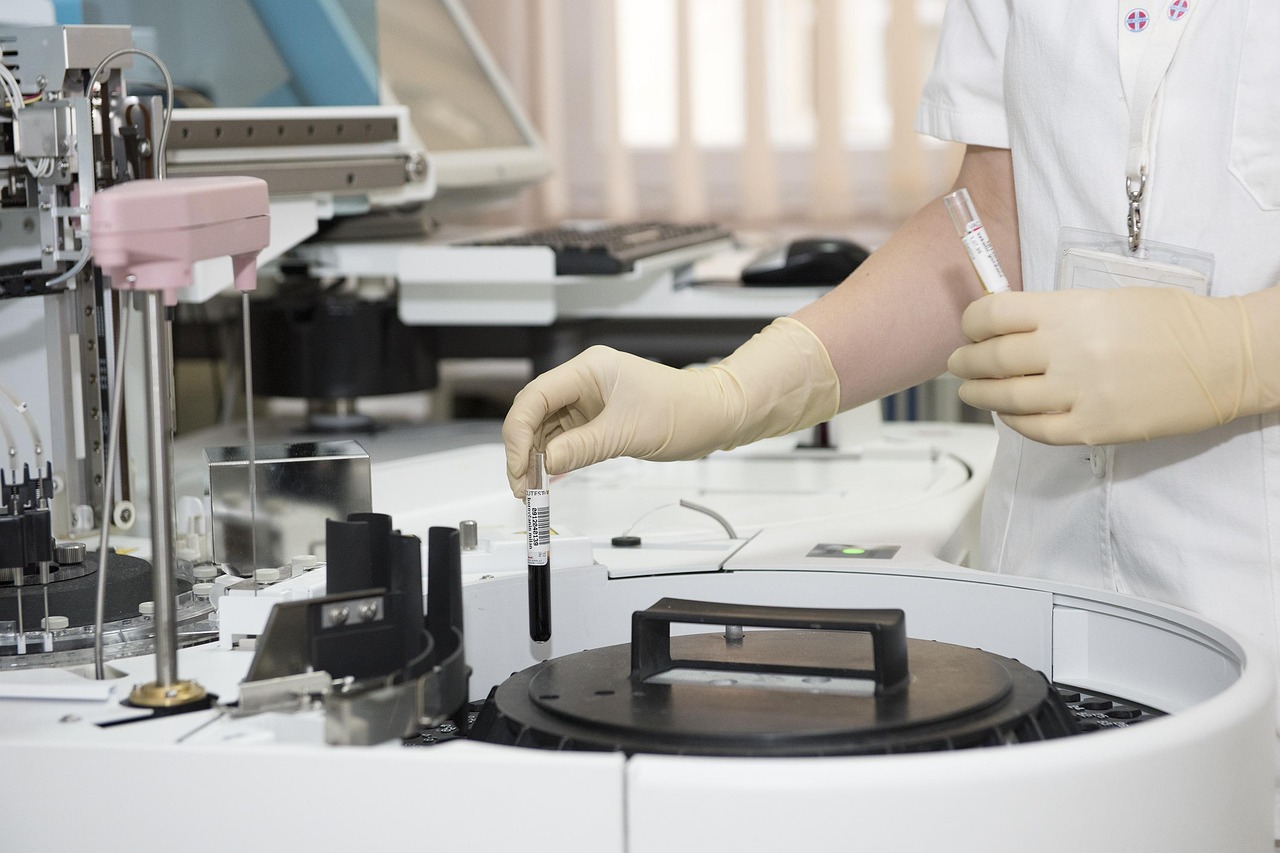
- Blood Tests: Measuring thyroid-stimulating hormone (TSH), thyroxine (T4), and triiodothyronine (T3) levels in your blood.
- Urine Tests: Assessing thyroid function by analyzing specific hormones in your urine.
- Imaging Studies: Using ultrasound or, less commonly, radioactive iodine scans to visualize the thyroid gland.
When to Expect Results and Next Steps
After your test, the laboratory will process the samples, and your healthcare provider will discuss the results with you:
- Timing of Results: Blood test results are typically available within a few days, while urine or imaging results may take slightly longer.
- Interpretation: Your doctor will explain what the results mean and whether further tests or treatments are necessary based on the diagnosis.
- Regular Follow-ups: Thyroid disorders often require ongoing management, so regular check-ins with your healthcare provider are essential for monitoring your condition.
Conclusion: Optimizing Your Pre-Thyroid Test Experience
Accurate thyroid test results depend on careful preparation and adherence to pre-test guidelines. By following this checklist, you take an active role in ensuring the reliability of your test data, enabling your healthcare provider to offer a more precise diagnosis and effective treatment plan. Remember, optimal thyroid health is crucial for overall well-being, and proactive measures like this checklist contribute to achieving that goal.
FAQ
1. Can I take my vitamins before a thyroid test?
It’s generally best to consult your doctor about vitamin use before the test. While essential for overall health, some vitamins may interact with thyroid tests, affecting result accuracy.
2. How long should I fast before a thyroid blood test?
Fasting guidelines vary depending on the specific test and your healthcare provider’s recommendation. Common fasting periods range from 8 to 12 hours before the test. Always confirm the required fasting duration with your doctor.
3. Will exercise affect my thyroid test results?
Intense exercise can temporarily alter thyroid hormone levels. To ensure accurate results, avoid strenuous workouts for 24-48 hours before your test. Light to moderate activity is recommended on the day of testing.
4. Can I change my diet drastically before a thyroid test?
Major dietary changes close to the test date can impact results. Stick to a balanced diet representative of your typical eating habits to ensure accurate assessments of your thyroid function.
5. How often should I get checked for thyroid disorders?
The frequency of screening depends on various factors, including your age, medical history, and symptoms. Your healthcare provider will recommend appropriate intervals based on your unique needs and circumstances.