TL;DR: Understanding what to avoid before a thyroid test is crucial for accurate results. This article delves into the reasons behind these precautions, ensuring you prepare effectively for your thyroid function assessment. Learn about dietary considerations, medications, and other factors that can impact test outcomes.
Understanding Thyroid Tests and Their Importance
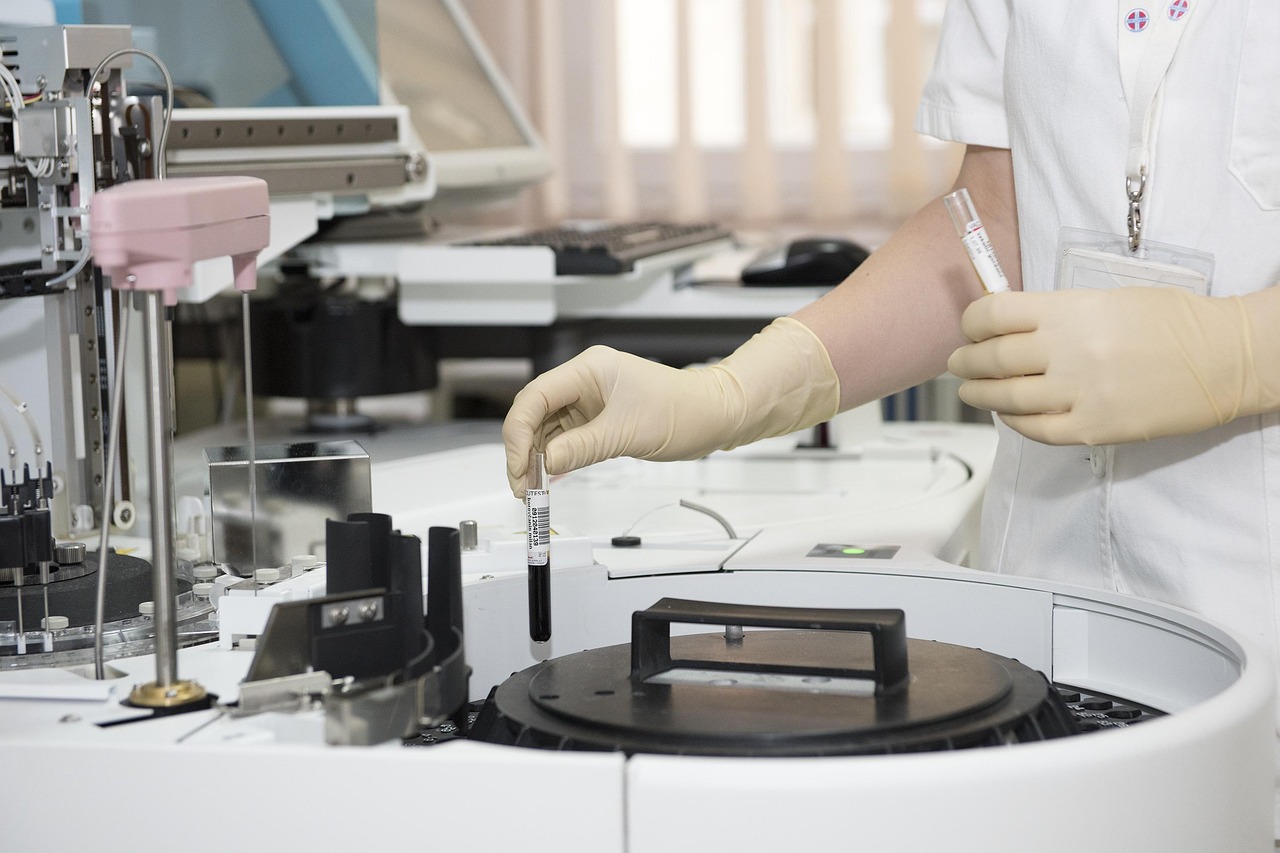
A thyroid test is a vital tool used to evaluate the functioning of your thyroid gland, which plays a pivotal role in regulating metabolism and overall health. These tests are often recommended when symptoms like fatigue, weight fluctuations, or changes in mood persist, suggesting potential thyroid imbalances. Before undergoing any thyroid-related assessment, following your doctor’s advice regarding pre-test preparations is essential to ensure accurate interpretations of the results.
What Your Doctor Might Advise You to Avoid Before Testing
1. Certain Medications and Supplements
Medications: Some medications can interfere with thyroid test results. Common culprits include:
- Antibiotics: Certain antibiotics, such as tetracycline and penicillin, can suppress thyroid function temporarily.
- Antipsychotic drugs: Medications like haloperidol or chlorpromazine may affect thyroid hormone levels.
- Beta-blockers: Used to treat high blood pressure, these medications can lower thyroxine (T4) levels.
- Inflammatory drug inhibitors: Nonsteroidal anti-inflammatory drugs (NSAIDs) and corticosteroids can impact test outcomes.
Supplements: Certain dietary supplements may also cause interference:
- Iodine supplements, while beneficial for thyroid health, can affect test readings if taken shortly before the exam.
- Some herbal supplements, like those containing ginkgo biloba or St. John’s wort, might alter hormone levels.
2. Dietary Considerations
What you eat and when you eat it can significantly impact thyroid test results.
What to Avoid:
- Iodine-rich foods: Iodine is essential for thyroid hormone production, but excessive intake before testing (e.g., consuming iodized salt or seafood) might skew results.
- Goitrogenic foods: These include cruciferous vegetables like broccoli, cauliflower, and cabbage. While generally healthy, they can interfere with thyroid function in large quantities, especially when consumed raw and uncooked.
- Spicy foods and caffeine: These stimulants can temporarily raise metabolism, potentially affecting test readings if consumed close to the testing time.
What to Include: A balanced diet rich in fruits, vegetables (except goitrogenic ones), lean proteins, and whole grains is ideal for maintaining thyroid health and ensuring accurate tests.
3. Physical Activity and Stress Levels
Thyroid function is closely tied to overall physiological state. Therefore, your doctor might advise:
- Avoiding strenuous exercise: Intense physical activity can temporarily increase stress hormones, affecting TSH (thyroid-stimulating hormone) levels. It’s best to schedule tests for a calm, relaxed day.
- Managing stress: High stress levels can impact thyroid function. Techniques like meditation or deep breathing exercises can help regulate stress before testing.
4. Time of Day and Recent Activities
Timing is Key:
- Thyroid hormones fluctuate throughout the day. For accurate results, tests are often recommended in the morning when hormone levels tend to be at their peak.
- Avoid testing immediately after a stressful event or intense exercise session.
When Precautions Are Necessary
Your doctor will typically provide specific instructions tailored to your medical history and symptoms. These precautions are crucial for:
- Avoiding false negatives: Interfering factors can lead to suppressed test results, indicating a healthy thyroid when it may not be.
- Ensuring accurate diagnoses: Clear test results help doctors make precise assessments and recommend appropriate treatments if needed.
What to Do If You Forget or Ignore Precautions
If you realize you’ve overlooked any of these precautions after scheduling your test, don’t panic. Contact your healthcare provider immediately for guidance. They may advise rescheduling or offer alternative testing methods depending on the reason for non-compliance.
FAQ
1. Can I take my multivitamin before a thyroid test?
Yes, taking a multivitamin is generally fine, but ensure it doesn’t contain excessive iodine or other ingredients that might interfere. Always consult your doctor or pharmacist if you have any concerns.
2. Is it necessary to fast before a thyroid blood test?
Fasting isn’t typically required for thyroid tests, but avoiding heavy meals and strenuous exercise close to the test time is advisable. Your doctor will provide specific instructions based on the type of test being performed.
3. How long should I avoid certain medications before testing?
The duration varies depending on the medication. For some, it might be a few days; for others, your doctor may recommend discontinuing them for a week or more. Always follow your healthcare provider’s guidance regarding medication adjustments.
Conclusion
Understanding and adhering to your doctor’s instructions regarding pre-thyroid test preparations is crucial for accurate assessments of thyroid function. By avoiding specific medications, dietary factors, and stressful conditions before testing, you contribute to ensuring reliable results. Remember, these precautions are in place to help healthcare professionals make informed decisions about your health.