TL;DR: Planning to get a thyroid test? This guide walks you through everything you need to know before taking the test, from what to avoid eating to understanding common symptoms. Discover the key steps for maximizing accuracy and getting actionable insights into your thyroid health.
Understanding Thyroid Tests: Unraveling the Basics
A thyroid test is a crucial diagnostic tool used to evaluate the function of your thyroid gland, a small, butterfly-shaped organ located at the base of your neck. It plays a pivotal role in regulating your body’s metabolism and energy production. These tests are essential for diagnosing thyroid disorders like hypothyroidism, hyperthyroidism, and thyroiditis, which affect millions of people worldwide.
Why Get Tested?
Thyroid tests help healthcare professionals:
- Diagnose thyroid conditions: Uncovering imbalances in thyroid hormone levels (T3, T4, and TSH) can reveal underlying thyroid disorders.
- Monitor treatment effectiveness: Regular testing allows doctors to track the success of thyroid medication adjustments.
- Identify subclinical hypothyroidism: This condition has subtle symptoms but requires medical attention to prevent complications.
The Pre-Thyroid Test Checklist: Preparing for Accuracy
Accurate thyroid test results are dependent on adhering to specific guidelines before the procedure. Following this pre-test checklist ensures you get reliable data and helps your doctor interpret the findings correctly:
1. Avoid Certain Foods and Supplements (24-48 Hours Before Testing)
Certain foods and nutrients can interfere with thyroid test results. To ensure precise readings, avoid:
- Goitrogenic foods: These include raw cabbage, broccoli, cauliflower, soybeans, and kale. While they’re generally healthy, they can inhibit thyroid peroxidase (TPO), an enzyme crucial for thyroid hormone production in the laboratory setting.
- High-fiber foods: Large amounts of fiber can affect test results by binding to thyroid hormones and altering their absorption.
- Vitamins and supplements: Stop taking vitamins A, C, E, and any supplements containing iodine (common in multivitamins) for 24-48 hours before testing. These substances can interfere with test accuracy.
2. Don’t Exercise Heavily (24 Hours Before Testing)
Intense exercise can trigger a temporary increase in thyroid hormone levels, potentially skewing test results. Aim to schedule your test for a day when you haven’t engaged in strenuous physical activity.
3. Get Enough Rest (7-8 Hours of Sleep)
Sleep deprivation can disrupt hormonal balance, including thyroid function. Aim for 7-8 hours of quality sleep the night before your test to ensure optimal results.
4. Avoid Stress (If Possible)
Chronic stress can negatively impact thyroid function. While it’s not always avoidable, try to manage stress levels through techniques like meditation, deep breathing exercises, or spending time in nature before your test.
Understanding the Test: What to Expect
There are several types of thyroid tests, but the most common involve measuring specific hormone levels in your blood:
- Thyroid Stimulating Hormone (TSH): This hormone is produced by the pituitary gland and signals the thyroid to make and release T3 and T4.
- T3 (Triiodothyronine) and T4 (Tyroxine): These are the primary thyroid hormones responsible for regulating metabolism.
During the test, a healthcare professional will typically:
- Draw Blood: A nurse will take a small sample of blood from your arm vein.
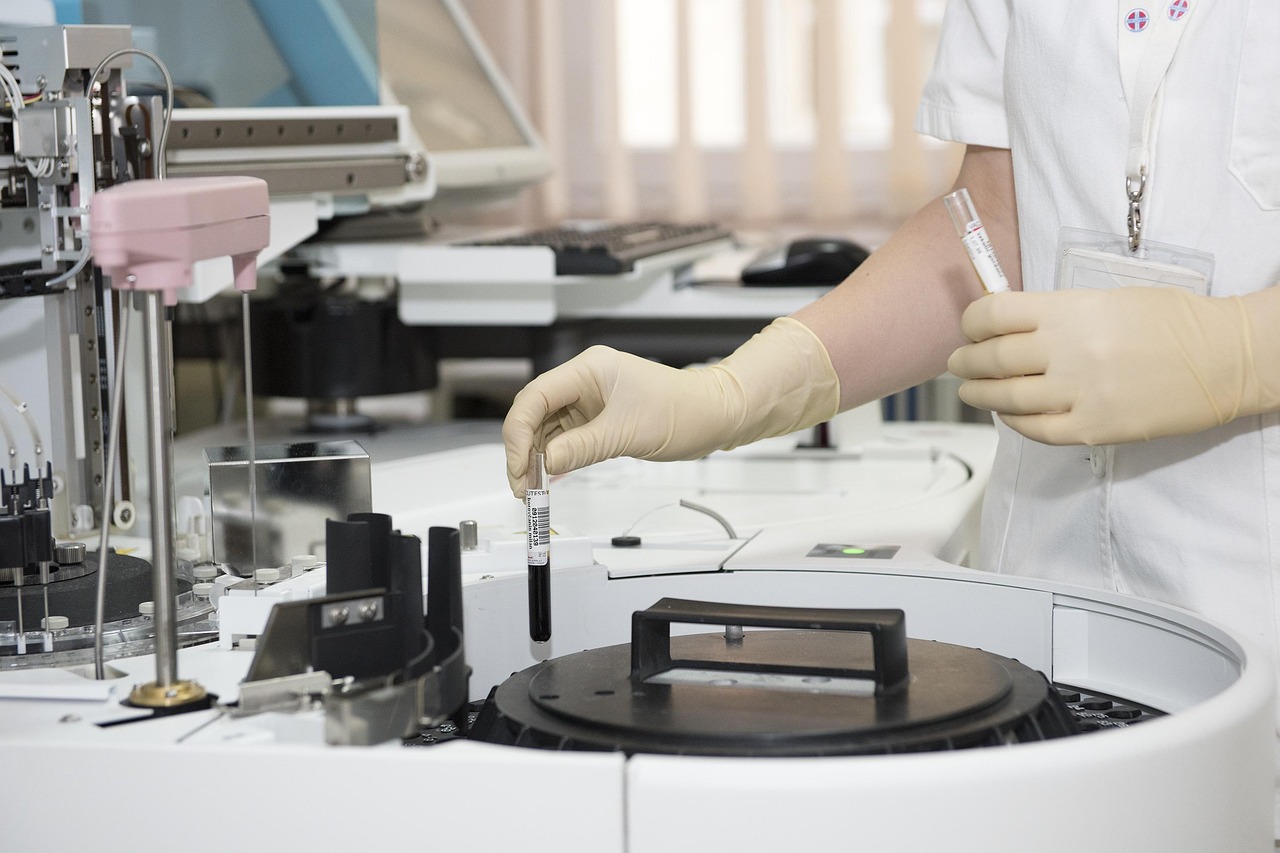
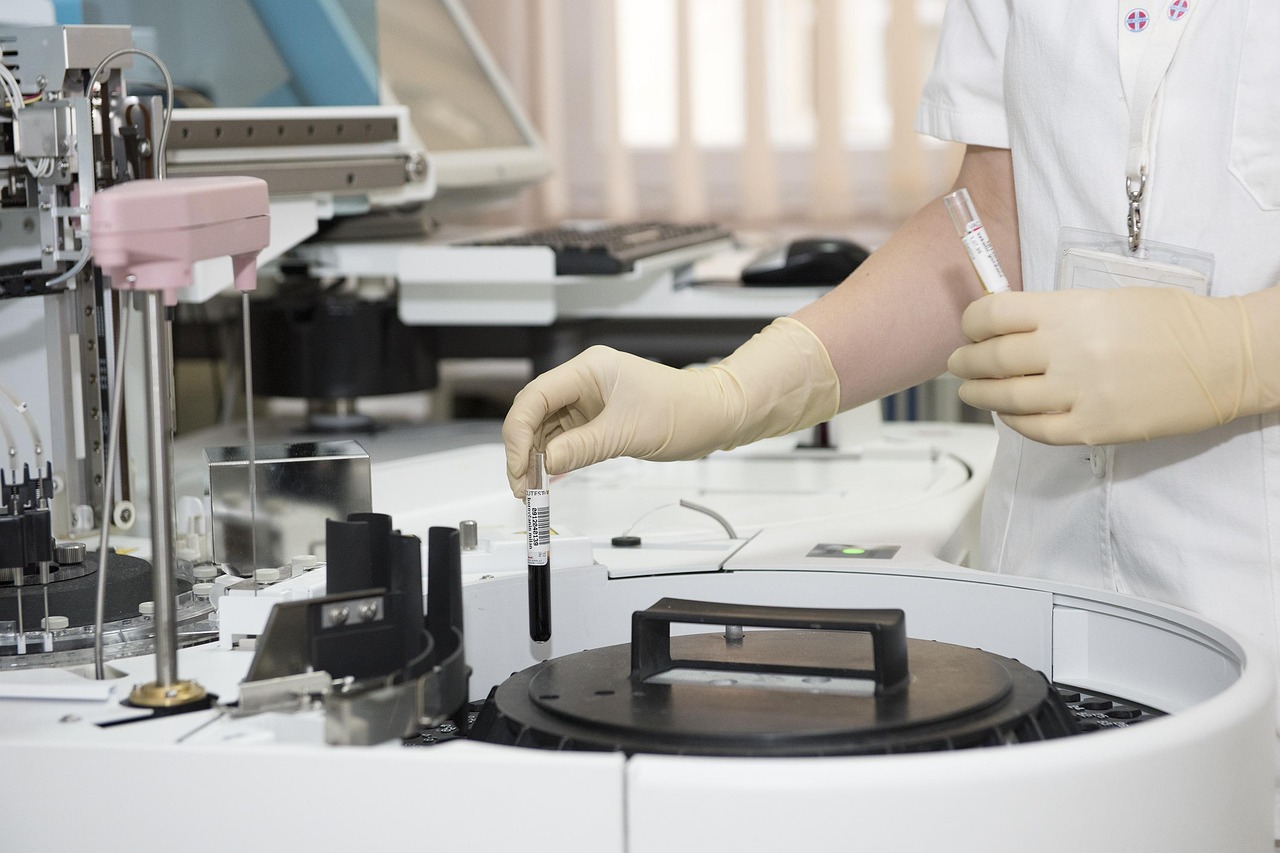
- Analyze the Sample: The blood sample is sent to a laboratory where technicians measure the levels of TSH, T3, and T4.
- Interpret Results: Your doctor will review the test results along with your medical history and symptoms to make a diagnosis or rule out thyroid disorders.
Interpreting Thyroid Test Results: What Do The Numbers Mean?
Thyroid test results are usually reported as follows:
-
TSH (Thyroid Stimulating Hormone):
- Normal range: Typically between 0.4 to 4.0 mIU/L (milliinternational units per liter).
- High TSH: May indicate hypothyroidism (underactive thyroid).
- Low TSH: Could signal hyperthyroidism (overactive thyroid) or other conditions like pituitary tumors.
-
T3 and T4 Hormone Levels:
-
Normal ranges vary slightly depending on age and laboratory methods.
-
Low T3/T4: May point to hypothyroidism.
-
High T3/T4: Suggests hyperthyroidism.
-
Your doctor will consider these results in conjunction with your symptoms, physical examination, and medical history to arrive at a diagnosis.
What If My Thyroid Test Results Are Abnormal?
Don’t panic if your thyroid test results show abnormalities. Many factors can influence hormone levels, and further testing or additional assessments may be needed to pinpoint the cause. Your doctor will discuss your options with you, which could include:
- Repeat Testing: To confirm the initial findings.
- Further Blood Tests: Such as antibody tests for thyroiditis (inflammation of the thyroid) or imaging studies to check for thyroid abnormalities.
- Referral to a Specialist: An endocrinologist may be consulted for complex cases.
Frequently Asked Questions (FAQs)
Q: How often should I get a thyroid test?
A: The need for regular thyroid tests depends on your age, medical history, and symptoms. Talk to your doctor about how often testing is appropriate for you. Generally, people with known thyroid disorders require more frequent monitoring.
Q: Can stress affect my thyroid test results?
A: Stress can indeed impact thyroid function. It’s advisable to manage stress levels before getting a thyroid test to ensure accurate results.
Q: Are there any home remedies to prepare for a thyroid test?
A: While some people suggest home remedies, the best preparation is to follow the pre-test checklist outlined in this article. There are no proven home remedies to significantly improve test accuracy.
Q: Can I take supplements before a thyroid test?
A: Avoid taking any vitamins or supplements containing iodine (often found in multivitamins) for 24-48 hours prior to testing.
Conclusion
Remember, getting a thyroid test is an essential step toward understanding your thyroid health and managing any potential disorders. By carefully following the pre-test checklist, you can ensure accurate results and take charge of your thyroid well-being. Always consult with your healthcare provider for personalized advice and guidance throughout the process.