TL;DR: Understanding how to prepare for a thyroid test is crucial for accurate results. This article explores seven common mistakes individuals make before undergoing a thyroid test and provides guidance on how to avoid them, ultimately ensuring more reliable diagnostic outcomes.
Introduction
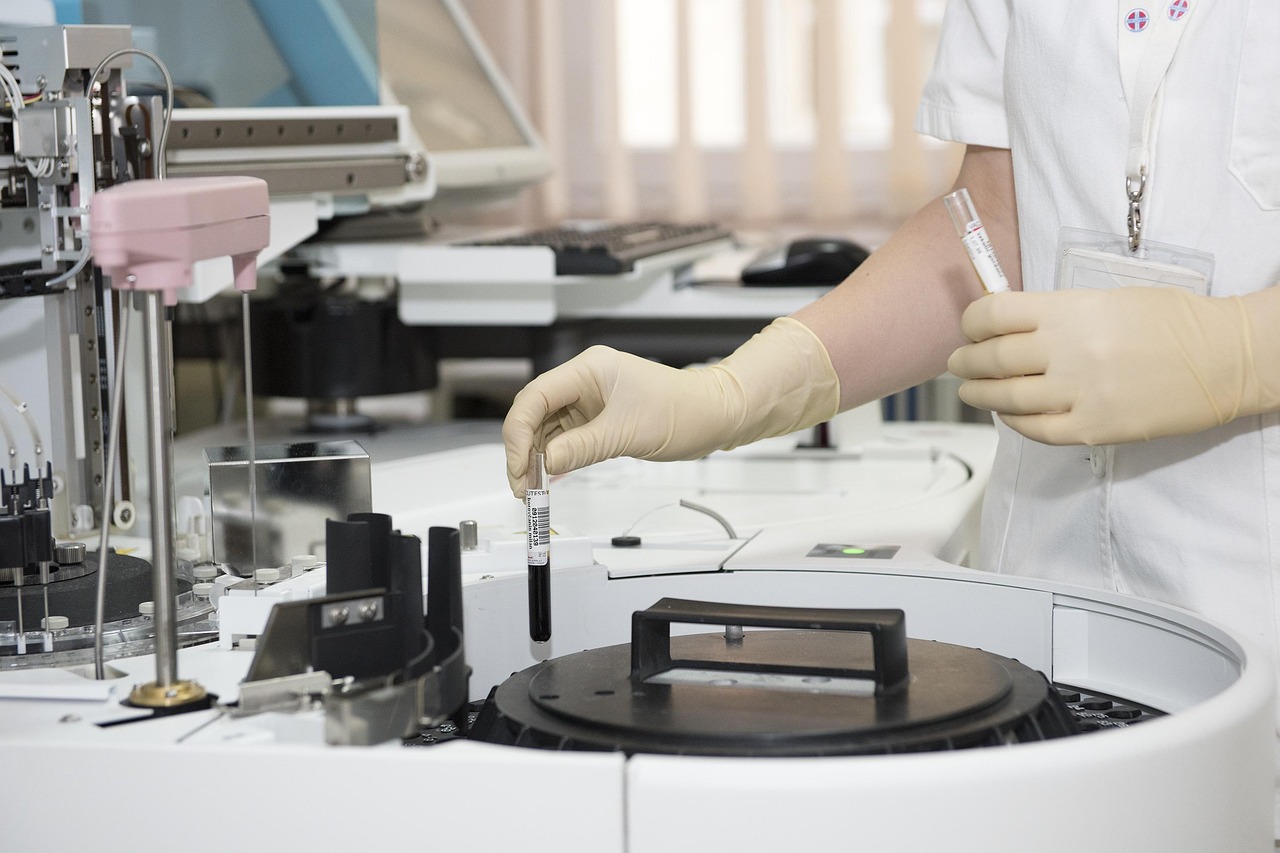
A thyroid test is a vital tool in evaluating your thyroid gland’s function, which plays a pivotal role in regulating metabolism and overall health. However, preparing inadequately for the test can lead to inaccurate results, potentially leading to misdiagnosis or delayed treatment. This article delves into seven prevalent errors people often commit before taking a thyroid test and offers solutions to ensure a more precise and beneficial experience.
7 Mistakes to Avoid Before Your Thyroid Test
1. Not Consulting with a Healthcare Provider
Rushing directly to buy a thyroid test kit from a pharmacy without consulting a doctor is a common but mistakes. A healthcare professional can determine if a thyroid test is indeed necessary based on your symptoms, medical history, and other diagnostic measures. They may also order specific tests tailored to your unique needs.
2. Ignoring Symptoms
Many individuals disregard subtle symptoms like fatigue, weight fluctuations, changes in appetite, or mood swings, assuming they are temporary or unrelated. These symptoms could be red flags indicating thyroid dysfunction. Recognizing and documenting them beforehand will help interpret test results accurately.
3. Not Fasting Before the Test
Eating a meal close to your test appointment can interfere with thyroid hormone levels measured in the blood sample. It’s essential to fast for a specific period (typically 8-12 hours) before the test to ensure accurate readings of T3, T4, and TSH levels.
4. Not Taking Medications as Prescribed
If you’re on medication that might affect thyroid function, like levothyroxine or anti-thyroid drugs, consult your doctor about temporarily stopping or adjusting the dose before the test. They will provide guidance based on your specific medication and medical history.
5. Being Unaware of Test Types
There are different types of thyroid tests available, including TSH (Thyroid Stimulating Hormone), T3, T4, and antibodies like TPO or Tg. Understanding which test is recommended for your situation ensures you’re prepared with the right information to discuss with your doctor.
6. Not Staying Hydrated
Dehydration can impact blood test results, including thyroid function markers. Ensure adequate water intake leading up to your test appointment to maintain optimal hydration levels that are crucial for accurate testing.
7. Misunderstanding Test Results
Thyroid test results can be complex. Without proper context and explanation from a healthcare provider, individuals may misinterpret their results. It’s essential to discuss any questions or concerns with your doctor who can provide valuable insights based on the test findings.
Preparing for Your Thyroid Test: A Summary Checklist
- Consult your doctor: Schedule a consultation to determine if a thyroid test is necessary.
- Document symptoms: Keep track of any relevant symptoms you’re experiencing.
- Fast before testing: Follow your healthcare provider’s instructions regarding fasting before the test.
- Take medications as prescribed: Discuss adjustments with your doctor, if needed.
- Understand test types: Ask about which specific thyroid tests are recommended for you.
- Stay hydrated: Drink plenty of water in the days leading up to the test.
- Seek clarification on results: Don’t hesitate to ask questions about your test results.
Conclusion
A thyroid test is a valuable tool in assessing thyroid health, but accurate interpretation depends on proper preparation. By avoiding these seven common mistakes and following the outlined checklist, individuals can ensure their test results provide meaningful insights into their thyroid function, paving the way for appropriate medical care and improved overall well-being.