TL;DR: Understanding the importance of proper preparation for a thyroid test, including whether fasting is necessary, can ensure accurate results and guide your healthcare decisions. This article delves into the science behind thyroid testing, explains when fasting might be beneficial, outlines potential risks of skipping meals, and offers practical tips for optimal test performance.
Understanding Thyroid Function and Testing
The thyroid gland, located at the base of your neck, plays a pivotal role in regulating your body’s metabolism. It produces hormones that influence nearly every cell in your body, affecting processes from heart rate to digestion. A thyroid test, also known as a thyroid stimulating hormone (TSH) test, is a crucial tool for assessing thyroid function and identifying potential imbalances.
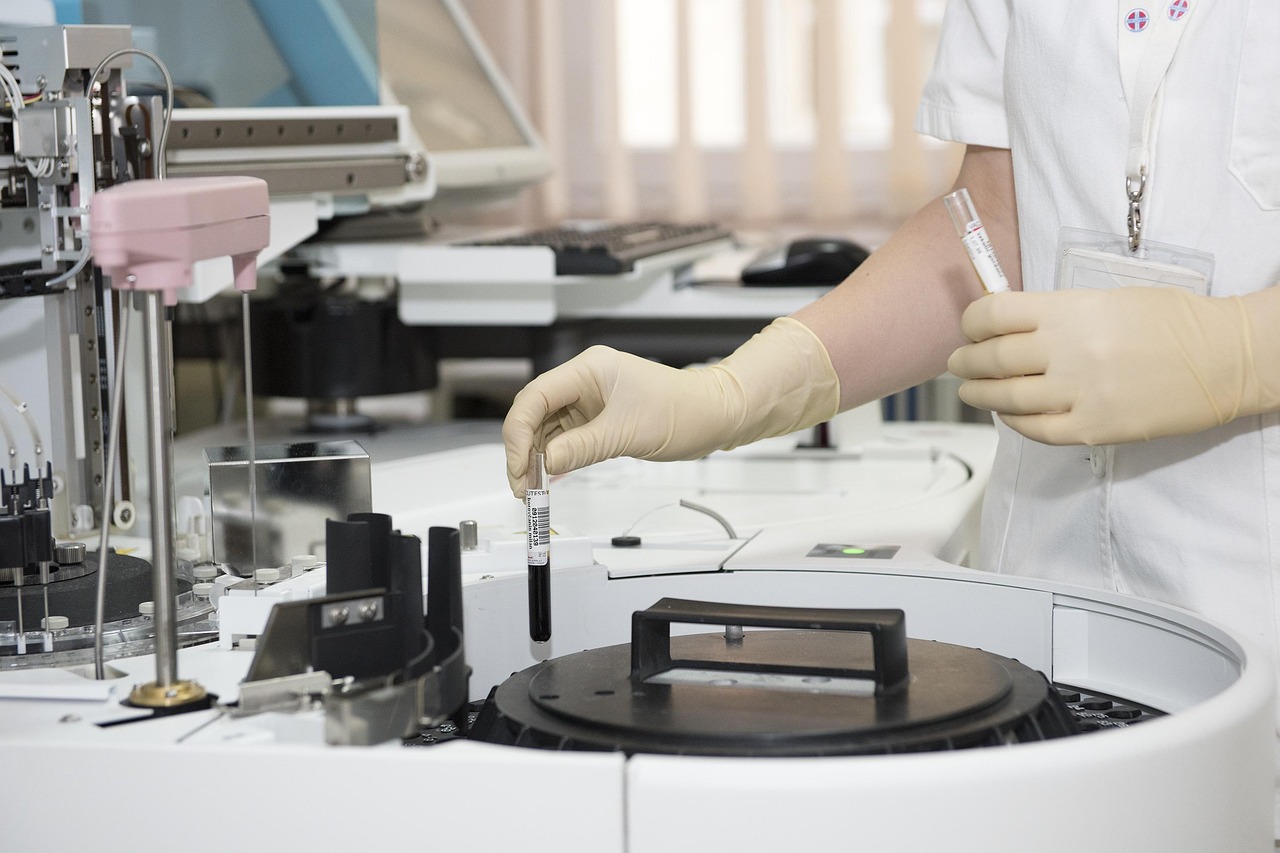
These tests typically measure the levels of TSH, thyroxine (T4), and triiodothyronine (T3) in your blood. Abnormal results can indicate hypothyroidism (underactive thyroid), hyperthyroidism (overactive thyroid), or other thyroid-related conditions. Accurate results are paramount for proper diagnosis and treatment.
The Role of Fasting in Thyroid Testing
Fasting before a thyroid test has long been a topic of debate among healthcare professionals. While there’s no one-size-fits-all answer, understanding the reasons behind fasting recommendations can help you prepare effectively.
Why Fasting Might Be Beneficial
-
Reduced Interference: Eating certain foods can interfere with thyroid hormone levels in your blood. Fasting for a period of time before the test allows these levels to stabilize, providing a more accurate picture of your thyroid function.
-
Consistent Results: Following a meal can cause temporary fluctuations in TSH and other thyroid hormones. By fasting, you ensure that your results reflect your baseline thyroid status.
-
Standardized Protocols: Many labs and healthcare providers recommend fasting for optimal test accuracy. Adhering to these protocols increases the likelihood of reliable results.
When is Fasting Required?
In most cases, you’ll be instructed to fast for at least 8 hours before a thyroid test. This typically means abstaining from all food and drink (except water) during this period. Your doctor might provide specific instructions tailored to your individual situation.
Potential Risks of Skipping Fasting Before a Thyroid Test
While it’s important to follow fasting guidelines for optimal results, there are situations where skipping the fast may be necessary:
-
Urgent Testing: If you experience sudden symptoms like severe fatigue, weight loss, or difficulty breathing, seeking immediate medical attention takes precedence over fasting. Your doctor will guide you on next steps.
-
Medications: Some medications can alter thyroid hormone levels and might require adjustments to your pre-test routine. Always consult with your doctor regarding any medication changes.
-
Special Circumstances: Certain medical conditions or individual health needs may necessitate deviations from standard fasting protocols. Discuss these cases directly with your healthcare provider.
Remember: Skipping the fast without medical justification can lead to inaccurate test results, potentially delaying proper diagnosis and treatment.
Preparing for Your Thyroid Test: Practical Tips
Beyond fasting, there are several steps you can take to ensure a smooth thyroid test experience:
-
Inform Your Doctor: Let your healthcare provider know about any medications or supplements you’re taking, as some can affect test results. Also disclose any recent illnesses or surgeries.
-
Avoid Stress: Try to maintain a calm and relaxed state before the test. Stress can temporarily disrupt hormone levels.
-
Get Adequate Sleep: Aim for 7-8 hours of quality sleep the night before the test. Well-rested bodies produce more stable hormone levels.
-
Stay Hydrated: Drink plenty of water, but avoid excessive caffeine or alcohol consumption beforehand.
Frequently Asked Questions (FAQs)
1. Can I eat a light snack before my thyroid test?
While a full meal is generally discouraged, you may consume a small, light snack like fruit or crackers approximately 2-3 hours before your test to avoid extreme hunger.
2. How long do I need to fast for a thyroid test?
Most labs recommend fasting for 8 hours. Always follow the specific instructions provided by your healthcare provider.
3. What if I accidentally eat something before my test? Can the test still be accurate?
Eating even a small amount of food can interfere with results, so it’s best to avoid any substantial meals or snacks before testing. If you’ve eaten and cannot fast, inform your doctor as they may suggest rescheduling for a later date.
4. Are there at-home thyroid tests available? Are they accurate?
Currently, home thyroid test kits are limited in their accuracy compared to laboratory-based testing. They may provide a general indication of thyroid function but cannot replace a comprehensive clinical evaluation and lab testing.
Conclusion
Understanding the importance of proper preparation for a thyroid test, including fasting when recommended, is crucial for accurate results. This guide provides valuable insights to help you navigate pre-test protocols effectively and move toward optimal thyroid health. Remember, always consult with your healthcare provider for personalized advice tailored to your unique needs.