TL;DR: Planning a thyroid test? To ensure accurate results, learn what foods, medications, and lifestyle factors can interfere with testing. This guide outlines what to avoid before your thyroid test for optimal accuracy.
Thyroid Test: Uncovering the Root Causes of Hormonal Imbalance
A thyroid test is a crucial tool in diagnosing thyroid disorders, conditions that affect your metabolism, energy levels, and overall well-being. By understanding what factors can impact the accuracy of these tests, you empower yourself to receive proper care and management.
What is a Thyroid Test?
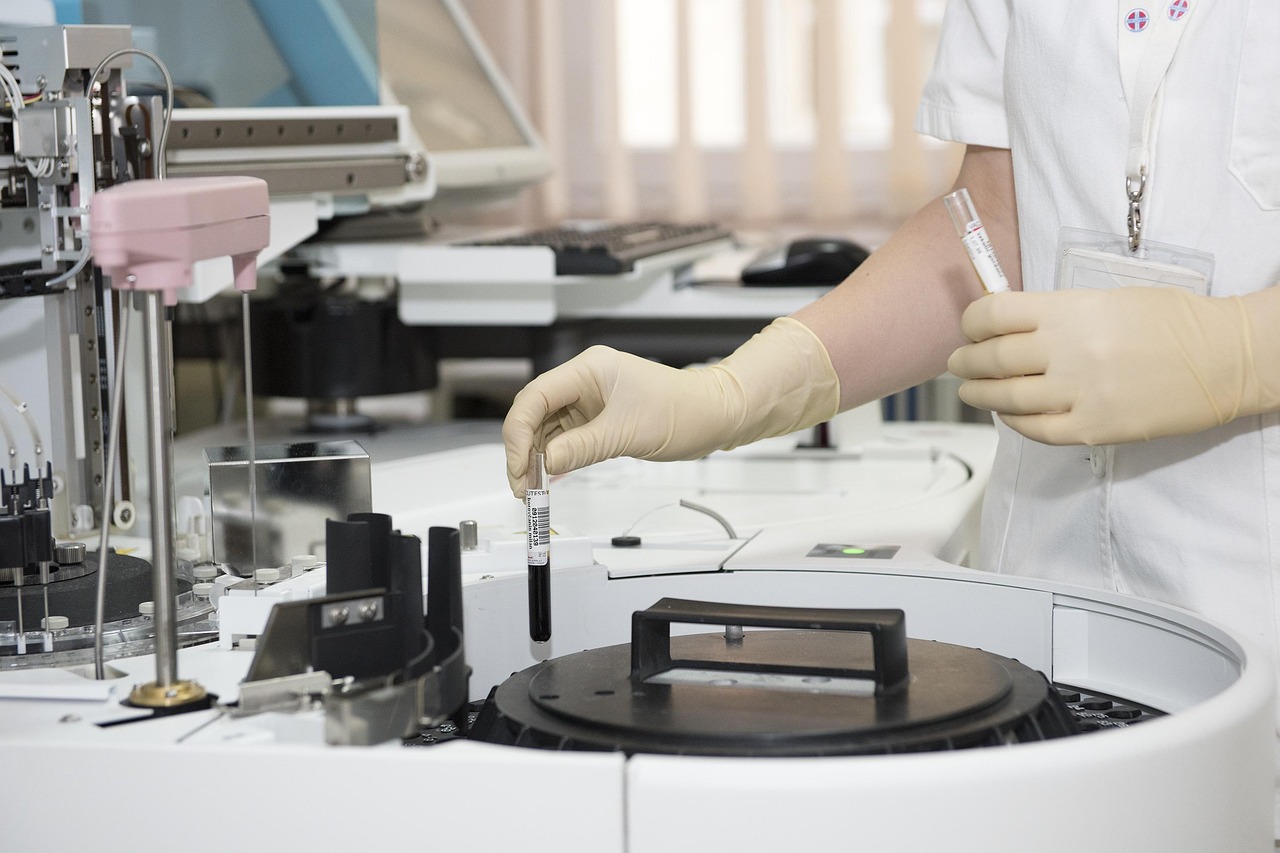
A thyroid test, also known as thyroid function test or thyroid panel, measures the levels of specific hormones produced by your thyroid gland. These hormones play a pivotal role in regulating metabolism, body temperature, heart rate, and other essential bodily functions. Common tests include:
- TSH (Thyroid Stimulating Hormone): This hormone is produced by the pituitary gland to signal the thyroid gland to make more thyroid hormones.
- T3 (Triiodothyronine) and T4 (Thyroxine): These are the primary hormones released by the thyroid gland that influence metabolism.
Why Accuracy Matters
Accurate thyroid test results are paramount for several reasons:
- Proper Diagnosis: Incorrect results can lead to misdiagnosis, leading to inappropriate treatments or overlooking underlying thyroid problems.
- Effective Treatment: Accurate data allows healthcare providers to prescribe the right medication dosage and monitor treatment effectiveness.
- Peace of Mind: Knowing your thyroid levels with certainty helps alleviate anxiety and concern surrounding potential health issues.
What to Avoid Before a Thyroid Test: A Comprehensive Guide
To ensure reliable thyroid test results, avoid the following factors before scheduling your test:
1. Certain Foods and Supplements
- Iodine-rich foods: While iodine is essential for thyroid hormone production, excessive intake close to the test date can skew results. Avoid seafood, iodized salt, and multivitamins containing iodine.
- Goitrogenic foods: Some plant compounds, like those found in broccoli, cabbage, soybeans, and cruciferous vegetables, can interfere with thyroid function. Limit consumption a few days before your test.
- High-fiber diets: A very high-fiber diet might affect certain thyroid hormone levels. Be mindful of your fiber intake for a day or two prior to testing.
- Vitamin C supplements: High doses of vitamin C (more than 200 mg per day) can temporarily lower T4 levels. Discontinue use for a few days before the test.
2. Medications
- Thyroid medications: If you are already taking thyroid medication, don’t stop or adjust your dosage without consulting your doctor. Certain medications, including beta-blockers (for high blood pressure), can also affect thyroid test results. Inform your healthcare provider about all medications you take.
- Antibiotics and other drugs: Some drugs, like amiodarone (used for irregular heart rhythms) and certain antibiotics, can interfere with thyroid hormone levels. Your doctor will advise you if any of your medications might impact test results.
3. Stress and Illness
- Acute stress or illness: Both acute stress and illness can temporarily disrupt thyroid function. Aim to schedule your test during a relatively healthy period.
- Severe or chronic stress: Long-term stress may contribute to thyroid imbalances. Managing stress through techniques like yoga, meditation, or counseling can be helpful.
4. Physical Activity
- Intense exercise: Excessive physical activity, especially right before the test, can lower T3 and T4 levels temporarily. Aim for a balanced workout routine, but avoid strenuous exercises within 24-48 hours of testing.
When to Schedule Your Test
Your doctor will provide specific instructions on when to schedule your thyroid test based on your individual circumstances. Generally, it’s recommended:
- To fast (usually 8–12 hours) before the test. This ensures consistent hormone levels and avoids potential interference from food.
- To avoid caffeine and alcohol for several hours prior to testing.
- To get enough rest and avoid extreme physical exertion right before the test.
Conclusion: Take Charge of Your Thyroid Health
A thyroid test is a valuable tool in understanding your body’s hormonal balance. By knowing what to avoid beforehand, you can ensure accurate results and take charge of your thyroid health. Always consult with your healthcare provider for personalized guidance based on your unique needs.