TL;DR
A thyroid test is crucial for diagnosing thyroid disorders, but inaccurate results can lead to misdiagnosis. This article delves into what you should avoid before a thyroid test to ensure reliable and accurate outcomes. From dietary changes to medications, we’ll guide you through the do’s and don’ts to maximize the effectiveness of your thyroid test.
Understanding Thyroid Tests
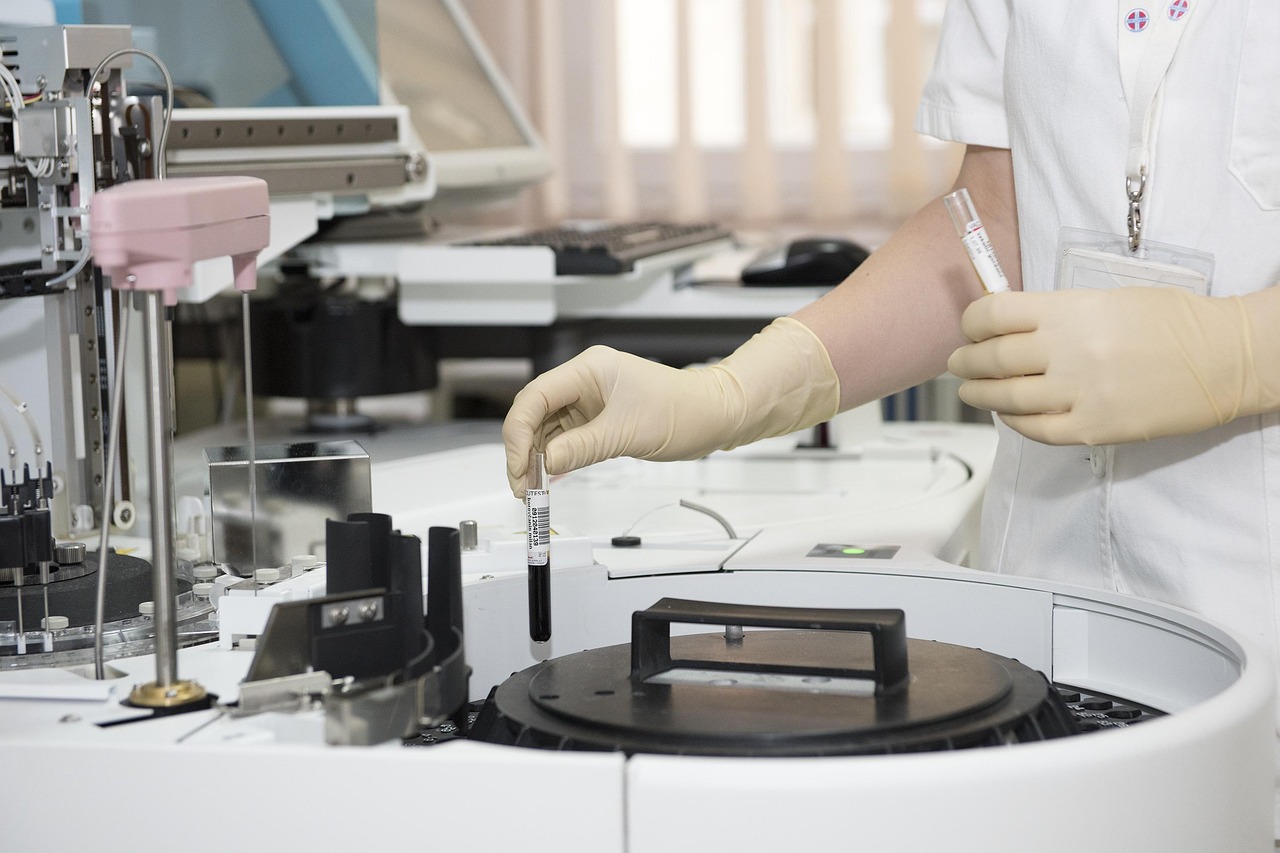
A thyroid test, often referred to as a thyroid function test, evaluates the efficiency of your thyroid gland in producing hormones that regulate metabolism. Common tests include TSH (Thyroid Stimulating Hormone), T3 (Triiodothyronine), and T4 (Thyroxine) levels. Accurate results are essential for proper treatment and management of thyroid conditions.
What to Avoid Before a Thyroid Test
1. Certain Medications
Some medications can interfere with thyroid test results. Always inform your healthcare provider about any medications, supplements, or herbs you’re taking. Avoid taking them, or discuss with your doctor if you need to stop or adjust them, for at least 48 hours before the test.
- Antibiotics: Certain antibiotics can suppress thyroid function, affecting test results.
- Beta-blockers: Medications used to treat high blood pressure can also impact thyroid hormone levels.
- Oral contraceptives and hormone replacement therapy: These can influence TSH levels and should be discussed with your doctor before testing.
2. Iodine Exposure
Iodine is essential for thyroid hormone production. While a small amount of iodine is typically okay, excessive exposure can skew test results.
- Iodine-rich foods: Avoid excessive intake of seafood, seaweed, and iodized salt for a few days before the test.
- Iodine supplements: Do not take iodine supplements or use iodine-based antiseptics, such as Betadine, within 48 hours of your thyroid test.
3. Strenuous Exercise and Stress
Exercise and stress can temporarily affect thyroid hormone levels. It’s best to:
- Avoid intense workouts: Refrain from strenuous exercise 24-48 hours before the test. Light exercise is generally okay.
- Manage stress: High-stress levels can elevate cortisol, which can impact thyroid function. Practice relaxation techniques or stress management strategies before your test.
4. Dietary Changes
Major dietary shifts can influence thyroid hormone levels. Avoid significant changes in your diet, especially high-fiber or low-carb diets, for a few days before the test.
5. Sleep Patterns
Sleep plays a crucial role in thyroid function. Ensure you’re getting adequate, consistent sleep (7-9 hours for most adults) in the days leading up to your test.
Preparing for Your Thyroid Test
- Follow your doctor’s instructions: Always adhere to the specific guidance provided by your healthcare provider.
- Bring relevant medications with you: If your doctor suggests stopping or adjusting medications, do so but have the original prescriptions with you to discuss with the test technician.
- Wear comfortable clothing: This will make your test more comfortable and less stressful.
- Arrive on time: Punctuality ensures a smooth process and reduces pre-test anxiety.
Understanding Thyroid Test Results
After your test, your healthcare provider will interpret the results in the context of your medical history and symptoms. Normal ranges can vary slightly between labs, so discuss any discrepancies with your doctor.
Conclusion
A thyroid test is a valuable tool in diagnosing and managing thyroid conditions. By avoiding certain medications, minimizing iodine exposure, avoiding intense exercise and stress, maintaining a stable diet, and ensuring adequate sleep, you can significantly improve the accuracy of your thyroid test results. Always consult with your healthcare provider for personalized guidance.