Skip to content

164news.com

  • Contact Us
  • Toggle search form
should-you-fast-before-a-thyroid-test-wh-640x480-81v8sc

Should You Fast Before a Thyroid Test? What You Need to Know

Posted on April 25, 2026 By Thyroid Test No Comments on Should You Fast Before a Thyroid Test? What You Need to Know

TL;DR

Understanding when and how to prepare for a thyroid test, including whether fasting is necessary, can ensure accurate results. While fasting might be recommended for some tests, it’s not always required for thyroid assessments. This guide breaks down the facts about fasting before a thyroid test, potential impacts on your results, and alternative ways to optimize your preparation for a more reliable diagnosis.

Understanding Thyroid Tests and Fasting

What is a Thyroid Test?

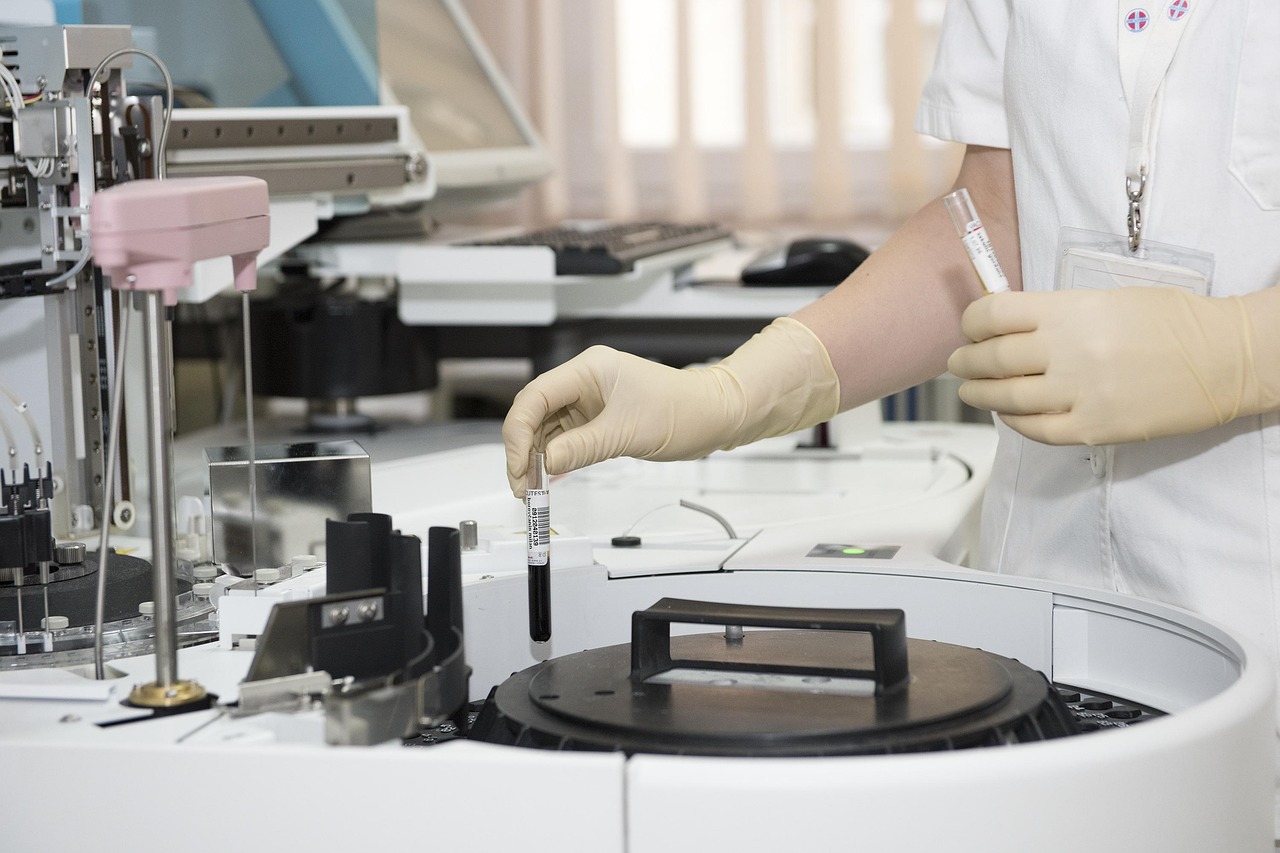
A thyroid test, or thyroid function test, evaluates how well your thyroid gland is working. This gland, located at the base of your neck, plays a crucial role in regulating metabolism by producing hormones that influence growth, development, and energy use throughout your body.

Thyroid tests typically measure levels of thyroxine (T4), triiodothyronine (T3), and thyroid-stimulating hormone (TSH). These hormones work together to ensure your body functions optimally. Imbalances in these hormones can lead to various thyroid conditions, such as hypothyroidism or hyperthyroidism.

The Role of Fasting in Thyroid Testing

Fasting has long been a standard practice before certain medical tests, including thyroid function assessments. The rationale behind this is that fasting reduces the influence of recent food intake on test results, allowing for a more accurate reflection of your body’s natural hormone levels.

However, the need to fast before a thyroid test is not as absolute as it once was. Modern guidelines acknowledge that fasting can impact thyroid hormone levels and are gradually moving towards less stringent preparation requirements. Let’s explore why.

The Impact of Fasting on Thyroid Test Results

How Does Food Affect Thyroid Hormones?

Thyroid hormones, T4 and T3, are synthesized in the thyroid gland and released into the bloodstream. Their levels are tightly regulated by a feedback mechanism involving the hypothalamus, pituitary gland, and thyroid gland (the HPT axis). This intricate system ensures that hormone levels remain within a narrow, optimal range for optimal bodily functions.

Recent meals can influence thyroid hormone levels through several mechanisms:

  • Insulin Levels: Carbohydrate-rich foods stimulate insulin release, which in turn affects the conversion of T4 to its active form, T3. This process, known as deiodination, is crucial for thyroid function but can be altered by blood sugar fluctuations resulting from fasting or recent meals.
  • Hormonal Regulation: Eating a meal increases leptin and ghrelin levels, hormones that influence appetite and metabolism. These hormonal shifts can indirectly impact the HPT axis, potentially affecting TSH levels.
  • Stress Response: Meals trigger a stress response in the body, releasing stress hormones like cortisol. Elevated cortisol levels can interfere with thyroid hormone synthesis and release.

Positive vs. Negative Effects of Fasting

The impact of fasting on thyroid test results depends on several factors:

Potential Benefits:

  • Reduced T3 Levels: Fasting may lead to a slight decrease in T3 levels due to reduced deiodination activity. This is generally considered beneficial for evaluating hypothyroidism, as it provides a clearer picture of the body’s underlying thyroid function.
  • Clarity in Results: By eliminating recent food influences, fasting can help healthcare providers distinguish between temporary and permanent changes in thyroid hormone levels, leading to more accurate diagnoses.

Potential Drawbacks:

  • Hyperthyroidism and TSH: In individuals with hyperthyroidism (an overactive thyroid), fasting may artificially suppress TSH levels. This could lead to inaccurate results, as the body’s natural response to hyperthyroidism is a lower TSH level.
  • Nutrient Status: Prolonged fasting can negatively impact nutrient status, particularly iodine and vitamin D, which are essential for optimal thyroid function. This is especially important to consider in regions where dietary iodine deficiency is common.
  • Individual Variability: People have unique responses to fasting. Some may experience increased stress or anxiety during a fast, potentially influencing cortisol levels and thyroid function.

Preparing for Your Thyroid Test Without Fasting

Alternative Ways to Optimize Preparation

Given the potential drawbacks of fasting, many healthcare providers are adopting more flexible preparation guidelines for thyroid tests:

  • Time of Day: Some labs recommend taking your test in the morning, as hormone levels can fluctuate throughout the day. This reduces the impact of recent meals on results.
  • Consistent Diet: Aim for a balanced diet rich in iodine and vitamin D to support thyroid health. Avoid drastic changes in your usual dietary intake before the test.
  • Medications: If you take medications, especially those that might affect thyroid function, discuss with your doctor how (or if) to adjust them before testing.
  • Stress Management: Practice relaxation techniques or stress management strategies on the day of testing to minimize potential psychological influences on hormone levels.

When Fasting Is Still Recommended

Specific Scenarios and Guidelines

While fasting is generally discouraged for thyroid tests, there are still situations where it might be recommended:

  • Specific Test Types: Some specialized thyroid tests, like radioactive iodine uptake (RAU) scans or diagnostic nuclear medicine procedures, may require fasting to ensure accurate results. Always follow your healthcare provider’s instructions for these tests.
  • Individualized Risk Assessment: Your doctor may recommend fasting if there is a concern about potential interference from recent meals based on your medical history and symptoms.
  • Follow-up Tests: If you’ve recently had a thyroid test with abnormal results, your doctor might ask you to fast before follow-up tests to monitor progress or confirm the initial findings.

Understanding Your Test Results

Interpreting Thyroid Function Test Outcomes

Once you’ve undergone a thyroid test (with or without fasting), understanding the results is crucial for effective management of any underlying conditions. Here’s what your test results can reveal:

  • T4, T3, and TSH Levels: These hormones are measured in blood samples to assess thyroid function. Values fall within specific ranges that vary slightly between labs.
  • Hypothyroidism or Hyperthyroidism: Low T4 or high T3 levels may indicate hypothyroidism (underactive thyroid), while elevated T3 and low TSH suggest hyperthyroidism (overactive thyroid).
  • Iodine Deficiency: Iodine is a critical component of thyroid hormones. If your test results show abnormal hormone levels, especially in regions with dietary iodine deficiency, it may be worth discussing iodine supplementation with your healthcare provider.
  • Medical Follow-up: Abnormal test results typically prompt further evaluation and potential treatment. Your doctor will discuss the implications of your test results and recommend appropriate follow-up.

Conclusion: Optimizing Your Thyroid Test Experience

The question of whether to fast before a thyroid test is complex, influenced by various factors including underlying health conditions and individual physiology. While fasting was once considered essential for accurate thyroid tests, modern guidelines are becoming more flexible, recognizing that it’s not a one-size-fits-all approach.

To ensure the best preparation for your thyroid test, open communication with your healthcare provider is key. Discuss any concerns about fasting, dietary adjustments, and stress management strategies specific to your situation. By working together, you can optimize test preparation and move towards a more accurate diagnosis and effective treatment plan for any thyroid conditions that may be present.

FAQ

1. Can I eat before my thyroid test?

Yes, most healthcare providers no longer strictly require fasting before thyroid tests. Eating a normal meal is generally acceptable, but discuss specific dietary recommendations with your doctor to ensure optimal preparation.

2. Will eating a late night meal affect my thyroid test results?

Eating within a few hours of the test may slightly influence hormone levels, but this impact is typically minimal, especially if you’re taking the test in the morning. Discuss any concerns about recent meals with your healthcare provider.

3. What should I do if I’ve been fasting for a long time before my appointment?

If you’ve fasted for an extended period, break your fast slowly by consuming small, nutritious meals or snacks. Avoid excessive caffeine or sugar, as these can impact hormone levels. Discuss any concerns with your doctor to ensure accurate test results.

4. Can stress affect thyroid test results?

Stress can indeed influence thyroid hormone levels. Practice relaxation techniques before and during the test to minimize potential psychological influences on your results. Open communication with your healthcare provider about stress management strategies is essential.

5. How often should I get my thyroid tested?

The frequency of thyroid testing depends on various factors, including your medical history, symptoms, and previous test results. Discuss with your healthcare provider the most appropriate testing schedule for monitoring your thyroid health.

Thyroid Test

Post navigation

Previous Post: Thyroid Test: 10 Things You Should Never Do Before Getting Tested
Next Post: Thyroid Test: Avoiding Common Mistakes Before Your Appointment

Leave a Reply Cancel reply

Your email address will not be published. Required fields are marked *

Editor's Picks

  • Long Island Real Estate Dispute Resolution
  • Commercial Plumbing Installation Denver
  • Denver Plumber for Emergency Services
  • Denver Gas Line Replacement
  • Affordable Plumbing Repair Denver
  • Leak Detection Services Denver CO
  • Sewer Backup Cleanup Denver Colorado
  • Expert Drain Snaking Denver
  • Plumbing for New Construction Denver
  • Sustainable Plumbing Solutions Denver

Recent Posts

  • BYD has built China’s first 4nm driving chip, and it’s putting LiDAR on a $10,000 car
  • Anthropic’s Milan office lands with Generali, Pirelli and Enel as named Italian customers
  • The hybrid model: why the smartest finance teams aren’t going all-in on AI
  • Oura’s Ring 5 is 40% smaller than its predecessor, and it arrives three days before a likely IPO filing
  • Waymo’s new Ojai robotaxi is cheaper to build, harder to break, and made in China

Recent Comments

  1. g555gameapk on Repairing a Leaking Denver Basin Augmentor: A Comprehensive Step-by-Step Guide
  2. xbet100 on Repairing a Leaking Denver Basin Augmentor: A Comprehensive Step-by-Step Guide
  3. hh55betcc on Repairing a Leaking Denver Basin Augmentor: A Comprehensive Step-by-Step Guide
  4. 5sbetwin on Expert Advice on Choosing the Right Sewer Backup Repair Company in Denver, Colorado
  5. 5sbet1 on Expert Advice on Choosing the Right Sewer Backup Repair Company in Denver, Colorado

Archives

  • May 2026
  • April 2026
  • March 2026

Editor's Picks

  • Long Island Real Estate Dispute Resolution
  • Commercial Plumbing Installation Denver
  • Denver Plumber for Emergency Services
  • Denver Gas Line Replacement
  • Affordable Plumbing Repair Denver
  • Leak Detection Services Denver CO
  • Sewer Backup Cleanup Denver Colorado
  • Expert Drain Snaking Denver
  • Plumbing for New Construction Denver
  • Sustainable Plumbing Solutions Denver

Copyright © 2026 164news.com.

Powered by PressBook Dark WordPress theme