TL;DR: Understanding what to avoid before a thyroid test is crucial for getting accurate results. This article delves into the key factors and lifestyle adjustments that can impact thyroid function, offering practical guidance to ensure reliable interpretations of thyroid test outcomes.
What You Need to Know Before Your Thyroid Test
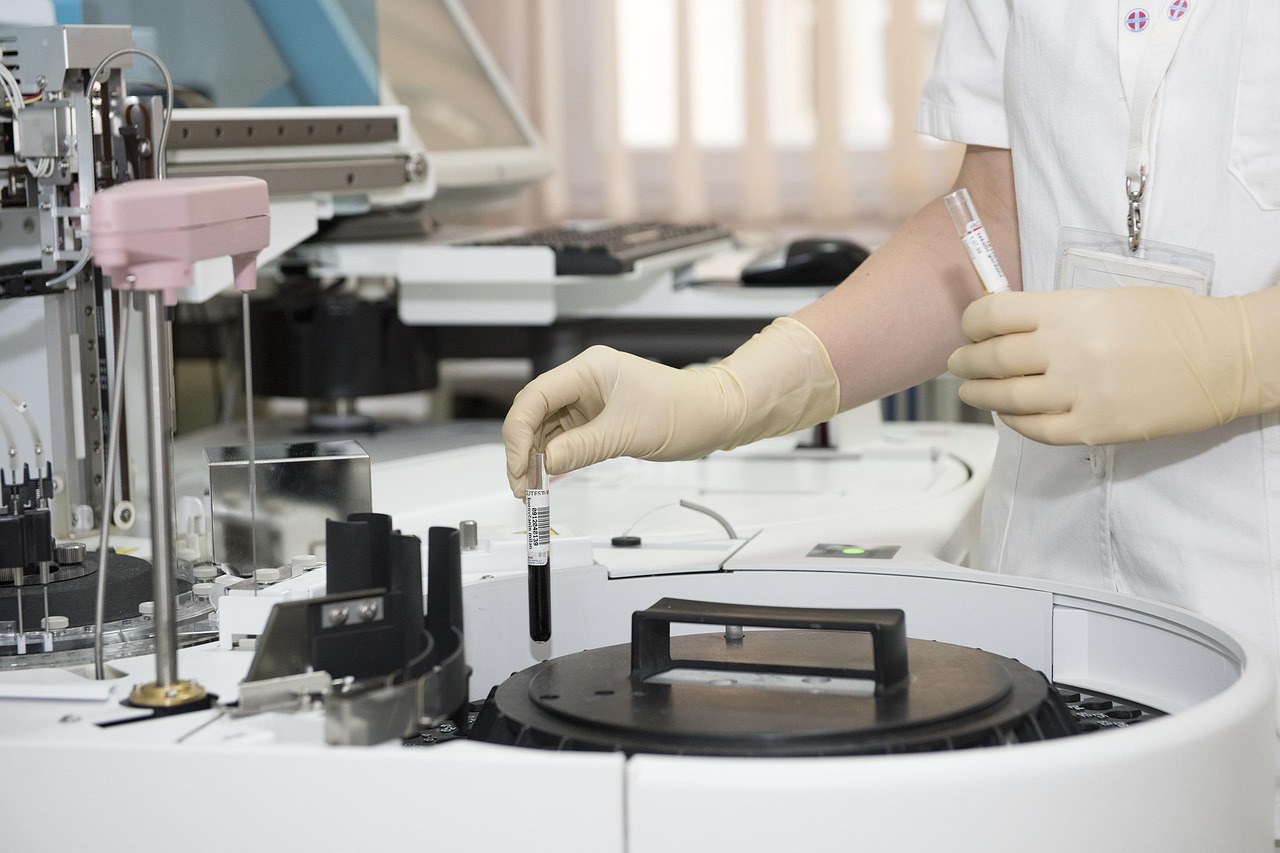
A thyroid test, often involving measurements of thyroid-stimulating hormone (TSH), thyroxine (T4), and triiodothyronine (T3) levels, is a vital tool for diagnosing thyroid disorders such as hypothyroidism or hyperthyroidism. However, the accuracy of these results heavily depends on proper preparation.
This guide focuses on what to avoid before a thyroid test to ensure reliable and meaningful interpretations of your test results.
Factors That Can Affect Thyroid Test Results
Certain factors can influence thyroid hormone levels and potentially lead to inaccurate test outcomes. Being aware of these can help you prepare effectively for your test:
1. Medications
Some medications, including certain antidepressants, beta-blockers (used for high blood pressure), and asthma medications, can affect thyroid function. If you’re taking any medications, inform your doctor before the test. They may advise you to temporarily stop or adjust your dosage, depending on the medication and its potential impact.
2. Iodine Intake
Iodine is essential for thyroid hormone production. While a small amount of iodine is typically added to table salt in many countries, excessive intake from dietary supplements or certain foods (like kelp) can interfere with thyroid test results. Avoid taking iodine supplements or eating large amounts of iodine-rich foods within the week leading up to your test.
3. Stress and Sleep
Chronic stress and inadequate sleep can disrupt normal thyroid function. Aim for consistent, quality sleep the night before and leading up to your test. Practice relaxation techniques to manage stress levels.
4. Physical Activity
Excessive exercise, particularly intense workouts close to the test date, might temporarily alter thyroid hormone levels. While moderate exercise is generally beneficial for thyroid health, avoid pushing yourself beyond your normal limits in the weeks preceding the test.
5. Dietary Changes
Major dietary shifts or severe calorie restriction can influence thyroid function. Strive for a balanced diet reflecting your usual eating patterns to ensure consistent test results.
What Not to Do Before Your Thyroid Test
In addition to the factors above, there are specific things to avoid directly before the test:
-
Avoid excessive caffeine: Caffeine can temporarily raise TSH levels, so avoid coffee, tea, or energy drinks for a few hours before your test.
-
Don’t smoke: Nicotine can also impact thyroid function and hormone levels, so it’s best to refrain from smoking prior to the test.
-
Steer clear of heavy meals: Avoid large or fatty meals 2-3 hours before the test as these can delay digestion and potentially interfere with test accuracy.
-
Don’t take supplements indiscriminately: While some supplements might be beneficial for thyroid health, consult your doctor about any you’re taking. Certain supplements, like those containing iodine or selenium, could affect test results.
Preparing for Your Thyroid Test: A Step-by-Step Guide
Here’s a breakdown of what to do leading up to your appointment:
-
Confirm the time and date: Make sure you understand when you need to fast (typically 8-12 hours) before the test.
-
Inform your doctor: Disclose any medications, supplements, or recent changes in your diet or exercise routine.
-
Get adequate rest: Aim for quality sleep the night before and aim to be well-rested on the day of the test.
-
Stay hydrated: Drink plenty of water to support overall bodily functions.
-
Arrive on time: Plan to arrive a few minutes early to avoid any last-minute stress.
Understanding Your Thyroid Test Results
After your test, your doctor will interpret your results in conjunction with your medical history and symptoms.
Remember that thyroid tests measure hormone levels at a single moment in time. To get a comprehensive understanding of your thyroid health, your doctor may order follow-up tests or recommend further evaluation based on the initial results.
Conclusion: Take Control of Your Thyroid Health
A simple thyroid test can provide valuable insights into your overall health and well-being. By understanding what to avoid before the test and following your doctor’s recommendations, you’ll contribute to ensuring accurate results that guide personalized care for any potential thyroid imbalances.