TL;DR
Before undergoing a thyroid test, it’s crucial to prepare properly to ensure accurate results. This checklist guides you through the do’s and don’ts of pre-test preparation, helping you maximize the reliability of your thyroid function assessment.
Introduction to Thyroid Tests
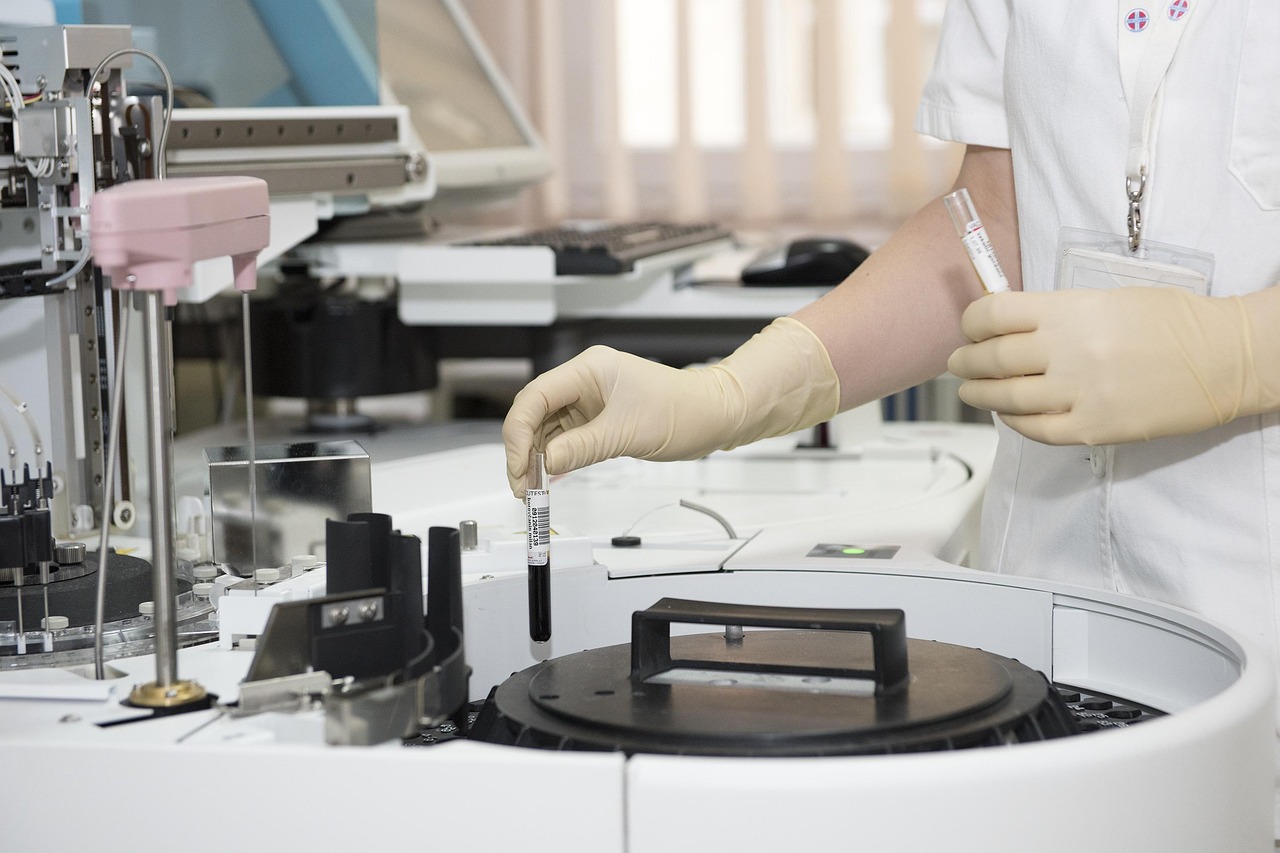
A thyroid test is essential for diagnosing thyroid disorders, such as hypothyroidism or hyperthyroidism. These conditions can significantly impact overall health and well-being. Accurate test results rely on proper preparation to ensure that your body’s thyroid functions are accurately assessed. This checklist outlines what to consider before taking a thyroid test to optimize the accuracy of your results.
Pre-Thyroid Test Checklist: What to Do
1. Understand Your Reasons for Testing
Before diving into any testing, it’s helpful to understand why you’re undergoing a thyroid test. This will influence what pre-test preparations are necessary. Common reasons include symptoms like fatigue, weight fluctuations, or changes in menstrual cycles. Discuss your concerns with your healthcare provider, who can guide you on the specific tests required.
2. Maintain Normal Eating Habits
Diet plays a significant role in thyroid health. Avoid extreme diets or fasting before your test as this can affect hormone levels and skew results. Instead, maintain a balanced diet rich in iodine (found in seafood), zinc (nuts and seeds), and selenium (braised vegetables). These nutrients support optimal thyroid function.
3. Avoid Certain Supplements
Some supplements, like vitamins A, D, and E, as well as iron supplements, can interfere with thyroid tests. Stop taking these supplements for a week or two before your test to prevent any false results. Always consult your doctor if you’re unsure about discontinuing any medication or supplement regimen.
4. Get Adequate Sleep
Sleep deprivation disrupts the balance of hormones, including those related to thyroid function. Aim for 7-9 hours of quality sleep each night in the week leading up to your test. Establish a relaxing bedtime routine and create a sleep-conducive environment to ensure optimal rest.
5. Stay Hydrated
Dehydration can impact hormone levels, so drink plenty of water before and during the testing period. Aim for 8-10 cups (2 liters) daily to keep your body adequately hydrated and support normal thyroid function.
Pre-Thyroid Test Checklist: What to Avoid
1. Stress and Intense Exercise
High levels of stress or intense physical activity in the 24-48 hours before testing can elevate cortisol, a hormone that can interfere with thyroid test results. Schedule your test when you expect to be relatively relaxed, and avoid extreme exercise right before it.
2. Certain Medications
Some medications, including beta-blockers (often used for anxiety or high blood pressure) and certain antibiotics, can affect thyroid test outcomes. Inform your healthcare provider of all medications you’re taking to ensure any necessary adjustments are made before testing.
3. Alcohol and Caffeine
Both alcohol and caffeine can disrupt hormone balance. Avoid these substances for at least 24 hours before your test to prevent them from influencing the results.
When to Skip Tests (When Necessary)
In some cases, healthcare providers might advise against undergoing a thyroid test under specific circumstances:
- If you’ve recently had radiation therapy or surgery in the neck area, as this could interfere with test accuracy.
- During pregnancy or breastfeeding, as thyroid tests during these periods require specialized consideration and interpretation of results.
Post-Test Considerations
After your thyroid test, maintain healthy lifestyle habits that support thyroid health. This includes a balanced diet, regular exercise, adequate sleep, and stress management. Your healthcare provider will discuss the results with you and guide you on any necessary follow-up actions or treatments based on your individual needs.
Conclusion
Undergoing a thyroid test doesn’t have to be stressful if you prepare properly. By following this checklist, you can ensure that your body is in the best condition for accurate test results. Remember to consult with your healthcare provider for personalized advice and to address any concerns or questions before your testing appointment. Understanding pre-test preparations empowers you to take an active role in managing your thyroid health effectively.