TL;DR: A thyroid test is crucial for diagnosing thyroid disorders, but to ensure accurate results, it’s essential to prepare by avoiding certain substances and activities before the exam. This article explores why your doctor might advise you to steer clear of specific items, offering guidance on what to avoid before a thyroid test.
Understanding Thyroid Tests and Their Importance
A thyroid test is a blood test that evaluates the function of your thyroid gland, a butterfly-shaped endocrine gland located at the base of your neck. It plays a vital role in regulating metabolism, influencing growth, development, and body temperature.
Doctors order thyroid tests to diagnose conditions like hypothyroidism (underactive thyroid), hyperthyroidism (overactive thyroid), thyroid nodules, or goiter. Accurate test results depend on getting the preparation right.
Why Avoid Certain Substances Before a Thyroid Test?
Your doctor might recommend avoiding specific substances and activities before your thyroid test because they can interfere with the accuracy of the results. Here’s why:
1. Medications and Supplements
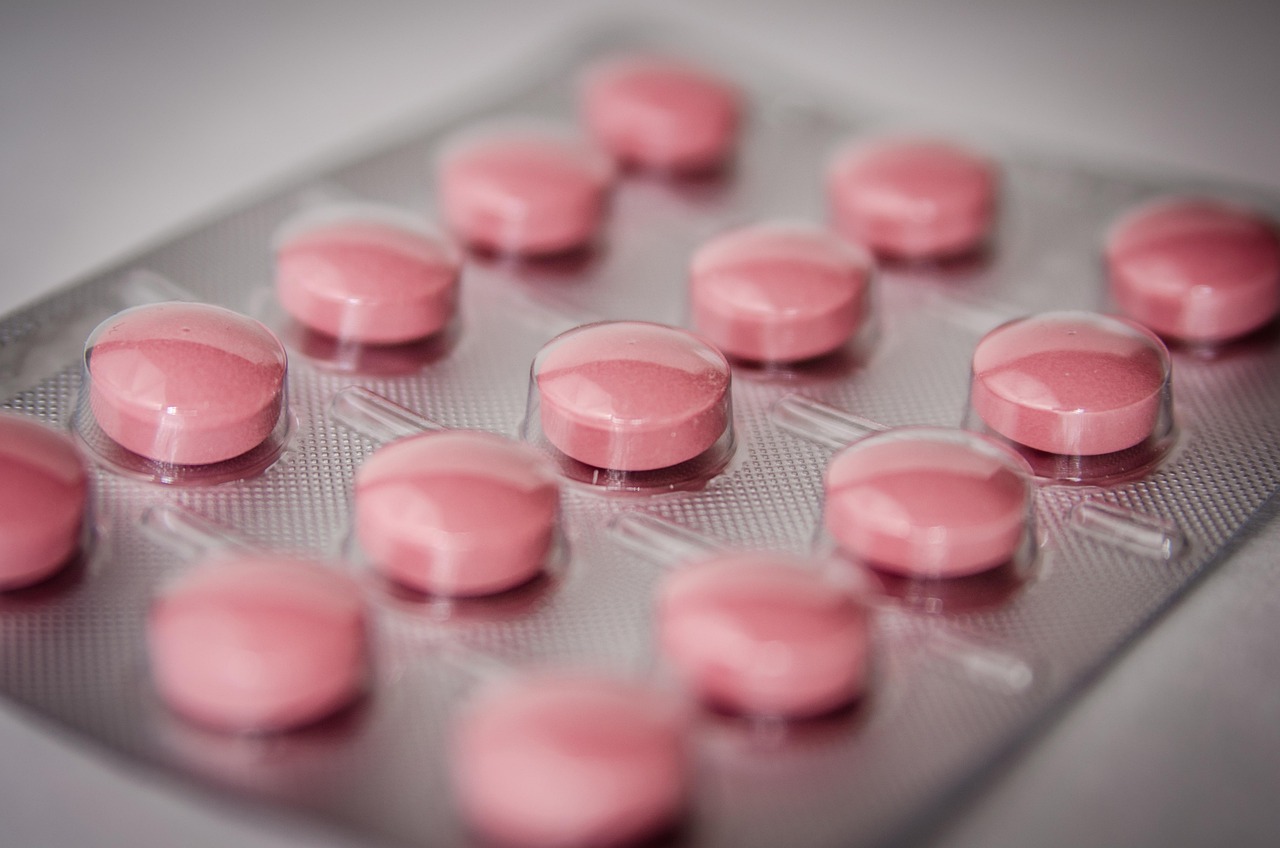
Certain medications and supplements, particularly those containing iodine, thyroxine (T4), triiodothyronine (T3), or drugs used to treat thyroid disorders, can distort test results.
- Iodine: Iodine is essential for thyroid hormone production. While a small amount of dietary iodine is beneficial, large doses from medication or supplements can lead to false test results.
- Thyroxine and Triiodothyronine: These hormones are prescribed to treat hypothyroidism. Taking them close to your test could elevate T4 and T3 levels, making the results appear normal even if your thyroid isn’t functioning optimally.
2. Iodine-Containing Contrasts Materials
If you’ve had recent imaging tests involving iodine contrast dye, such as a CT scan or nuclear medicine scan, your doctor might advise delaying the thyroid test until the iodine has cleared from your system. The dye can interfere with the test’s ability to accurately measure thyroid hormone levels.
3. Caffeine and Alcohol
Caffeine and alcohol can temporarily affect thyroid function. Avoid them for at least 24 hours before your test to ensure that they don’t skew the results.
4. Certain Foods
While a balanced diet is important for thyroid health, certain foods high in iodine or other compounds could impact test accuracy:
- Sea Food: Seafood, particularly shellfish and fish with high concentrations of iodine, can influence test readings.
- Coconut Oil: Coconut oil contains compounds that may affect thyroid hormone production.
When to Avoid These Substances
Your doctor will provide specific instructions on what to avoid and when based on your individual medical history and the type of thyroid test being performed (e.g., TSH, T4, T3). Generally:
- Stop taking any medications or supplements that might interfere with the test 7-10 days before the appointment.
- Avoid iodine-containing foods and contrast dyes for at least 24 hours prior to testing.
- Cut back on caffeine and alcohol starting 24 hours before your test until after you’ve received your results.
Preparing for Your Thyroid Test: What You Can Do
While avoiding potential interferents is crucial, there are also steps you can take to prepare for your thyroid test:
-
Maintain a healthy diet: Focus on nutrient-rich foods like lean proteins, fresh fruits and vegetables, whole grains, and healthy fats. Avoid processed foods high in sugar and unhealthy fats.
-
Get enough sleep: Aim for 7-8 hours of quality sleep per night. Sleep plays an important role in regulating thyroid function.
-
Manage stress: Chronic stress can impact thyroid health. Practice relaxation techniques like deep breathing, meditation, or yoga to keep stress levels under control.
What to Expect During the Thyroid Test
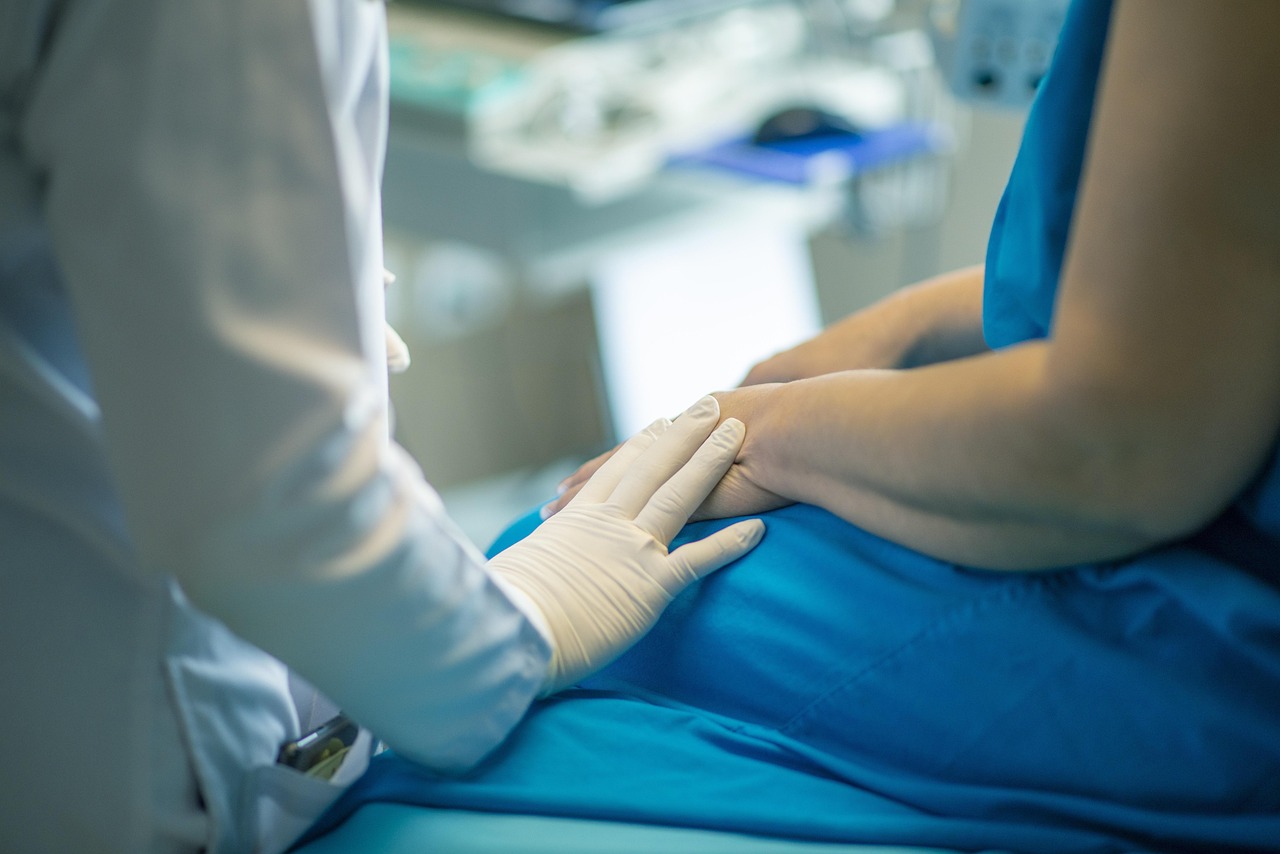
During your appointment, a healthcare professional will typically:
- Take a medical history: They will ask about your symptoms, past illnesses, medications, and dietary habits.
- Perform a physical exam: This may include checking your neck for any abnormalities or enlarged thyroid gland.
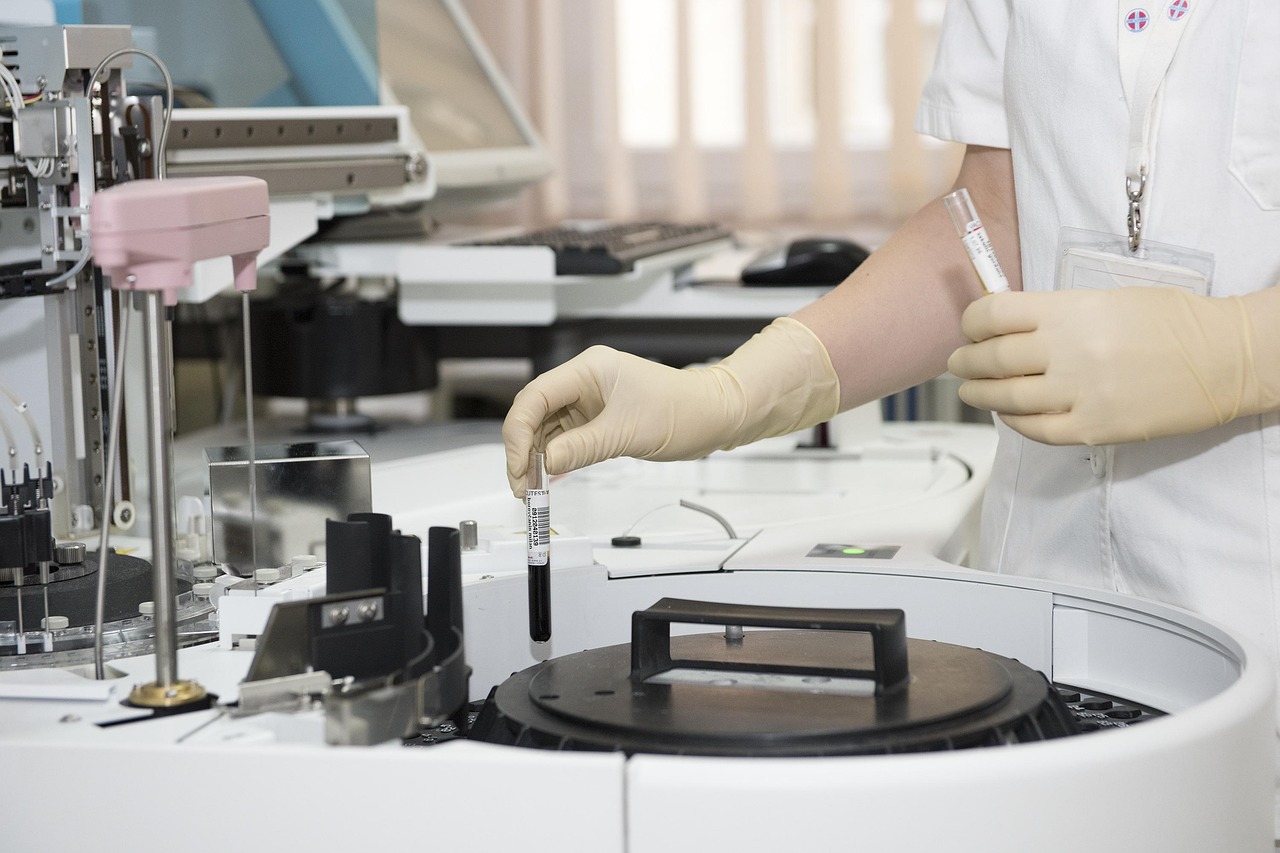
- Draw blood: A single blood sample will be taken from your arm to measure specific thyroid hormones and TSH (thyroid stimulating hormone) levels.
Conclusion
A thyroid test is an important tool in diagnosing thyroid conditions, but ensuring accurate results requires careful preparation. By avoiding potential interferents before the test and adopting a healthy lifestyle, you can help ensure that your thyroid test provides your doctor with reliable information for making informed decisions about your health.
Frequently Asked Questions
1. Can I take my vitamins before a thyroid test?
Yes, you can continue to take essential vitamins and minerals as directed by your healthcare provider. However, stop taking any supplements that contain iodine or thyroid hormones 7-10 days prior to the test.
2. How long do I need to fast before a thyroid test?
Fasting is usually not required for a thyroid test. However, it’s essential to avoid large meals or high-protein foods 4-6 hours before the test.
3. What if I’ve had an iodine contrast dye scan recently? Can I still get a thyroid test?
Yes, you can still have a thyroid test even if you’ve received iodine contrast dye within the past 24 hours. Your doctor may request a retest if initial results are inconclusive.
4. Are there any other tests besides the thyroid test to diagnose thyroid problems?
While the thyroid test is a common diagnostic tool, your doctor might order additional tests, such as a fine needle aspiration biopsy (FNAB) or ultrasound, depending on the initial findings and suspected condition.