TL;DR
Before undergoing a thyroid test, avoid certain actions that might impact results. This article explores ten common mistakes to steer clear of, ensuring accurate diagnosis and effective treatment for thyroid conditions. From dietary changes to stress management, discover essential pre-test considerations.
Introduction: Understanding Thyroid Function
The thyroid gland, a butterfly-shaped organ in your neck, plays a pivotal role in regulating metabolism. A thyroid test is a crucial tool for diagnosing conditions like hypothyroidism, hyperthyroidism, or thyroid nodules. Accurate results depend on following optimal preparation strategies. This guide highlights critical dos and don’ts to enhance the reliability of your thyroid test.
10 Things to Avoid Before Your Thyroid Test
1. Skipping Meals
Refrain from fasting for extended periods before the test. A meal, preferably one containing iodine-rich foods (like seaweed or iodized salt), can actually enhance test accuracy. Iodine is essential for thyroid hormone production. However, avoid eating too close to your appointment time; aim for 2-3 hours prior to give your body ample digestion time.
2. Excessive Physical Activity
Intense exercise or strenuous activities within a day or two of the test can elevate stress hormones and affect thyroid levels temporarily. While regular exercise is beneficial, consider moderating your routine around the test date for more reliable results.
3. Taking Certain Medications
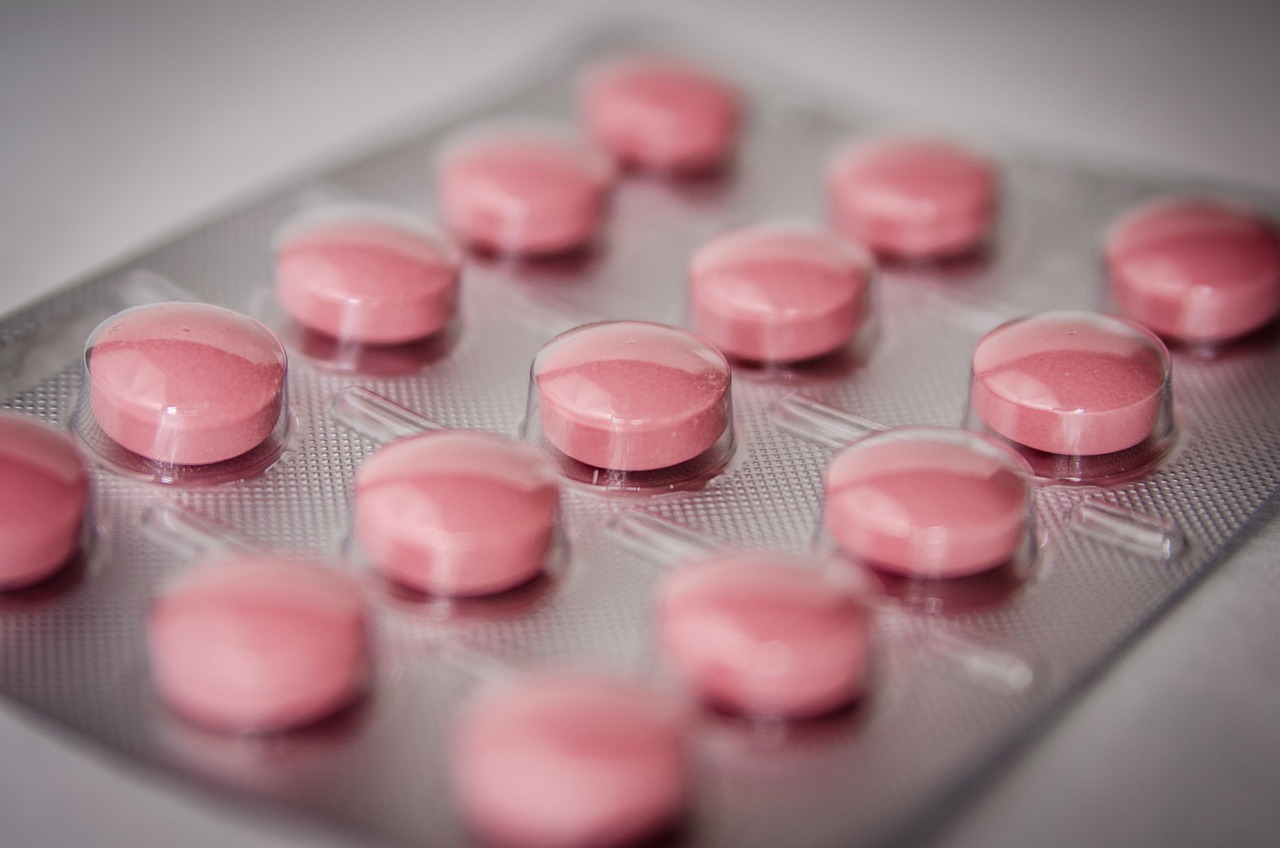
Some medications, such as amiodarone (used for irregular heart rhythms) or lithium (for bipolar disorder), can interfere with thyroid function and test outcomes. Inform your healthcare provider about all medications you’re taking to ensure an accurate diagnosis. They might advise you to temporarily stop or adjust the dose if necessary.
4. Consuming Goitrogens
Goitrogens are compounds that can inhibit thyroid hormone production. Foods like raw cabbage, broccoli, and kale contain goitrogens. While these vegetables offer numerous health benefits, avoid excessive consumption a few days before your test to prevent potential interference with results.
5. Stress Management
While chronic stress is detrimental to overall health, managing acute stress before the test is crucial. High-stress levels can elevate cortisol and thyroxine (T4) hormones, influencing test readings. Practice relaxation techniques, deep breathing exercises, or meditation on the day of your test to ensure more accurate results.
6. Alcohol Consumption
Alcohol can disrupt thyroid hormone metabolism and impair liver function, which is responsible for processing thyroid hormones. Avoid drinking alcohol for at least 24 hours before your test to obtain precise results.
7. Caffeine Intake
Caffeine stimulates the central nervous system and can temporarily boost metabolism. High caffeine levels might skew thyroid test results. Limit or avoid caffeine consumption a day or two prior to your appointment for better accuracy.
8. Smoking
Nicotine from smoking affects hormone production, including thyroid hormones. Smoking can also impact blood flow to the thyroid gland. Refrain from smoking at least 24 hours before your test to ensure untainted results.
9. Recent Weight Loss or Gain
Rapid weight fluctuations can influence thyroid function and hormone levels. Aim for a stable body weight close to your test date. If significant changes are unavoidable, inform your healthcare provider to adjust testing parameters accordingly.
10. Over-the-Counter Supplements
Some supplements, especially those containing herbs or vitamins known to affect thyroid function (like selenium or vitamin D), can interfere with test results. Discuss any supplements you’re taking with your doctor before the test and consider temporarily discontinuing them if necessary.
Frequently Asked Questions (FAQs)
Q: How long should I fast before a thyroid test?
A: Fasting for more than 8-12 hours can impact test results. Have a light meal containing iodine-rich foods 2-3 hours before your appointment.
Q: Can stress affect my thyroid test results?
A: Yes, acute stress can elevate cortisol and thyroxine levels, influencing test readings. Try to manage stress through relaxation techniques on the day of your test.
Q: Should I stop taking my medication before a thyroid test?
A: Only do this under medical supervision. Some medications may interfere with test results; inform your doctor for personalized advice.
Q: How does diet affect thyroid test accuracy?
A: A balanced diet, including iodine-rich foods, supports thyroid health and enhances test accuracy. Avoid goitrogenic foods before the test to prevent interference.
Conclusion: Optimizing Your Thyroid Test Experience
Preparing for a thyroid test requires careful consideration of various factors. By steering clear of these common mistakes, you can ensure accurate results and facilitate timely, effective treatment for any underlying thyroid conditions. Remember, optimal preparation enhances the reliability of your thyroid test, leading to better healthcare outcomes.