TL;DR:
Understanding when and how to prepare for a thyroid test is crucial for accurate results. This article explores the specific instructions your doctor may give you before a thyroid test, focusing on what to avoid to ensure reliable outcomes. Learn about common pitfalls, such as certain medications, foods, and activities, that can impact thyroid function and lead to incorrect diagnoses.
Why Prepare for a Thyroid Test?
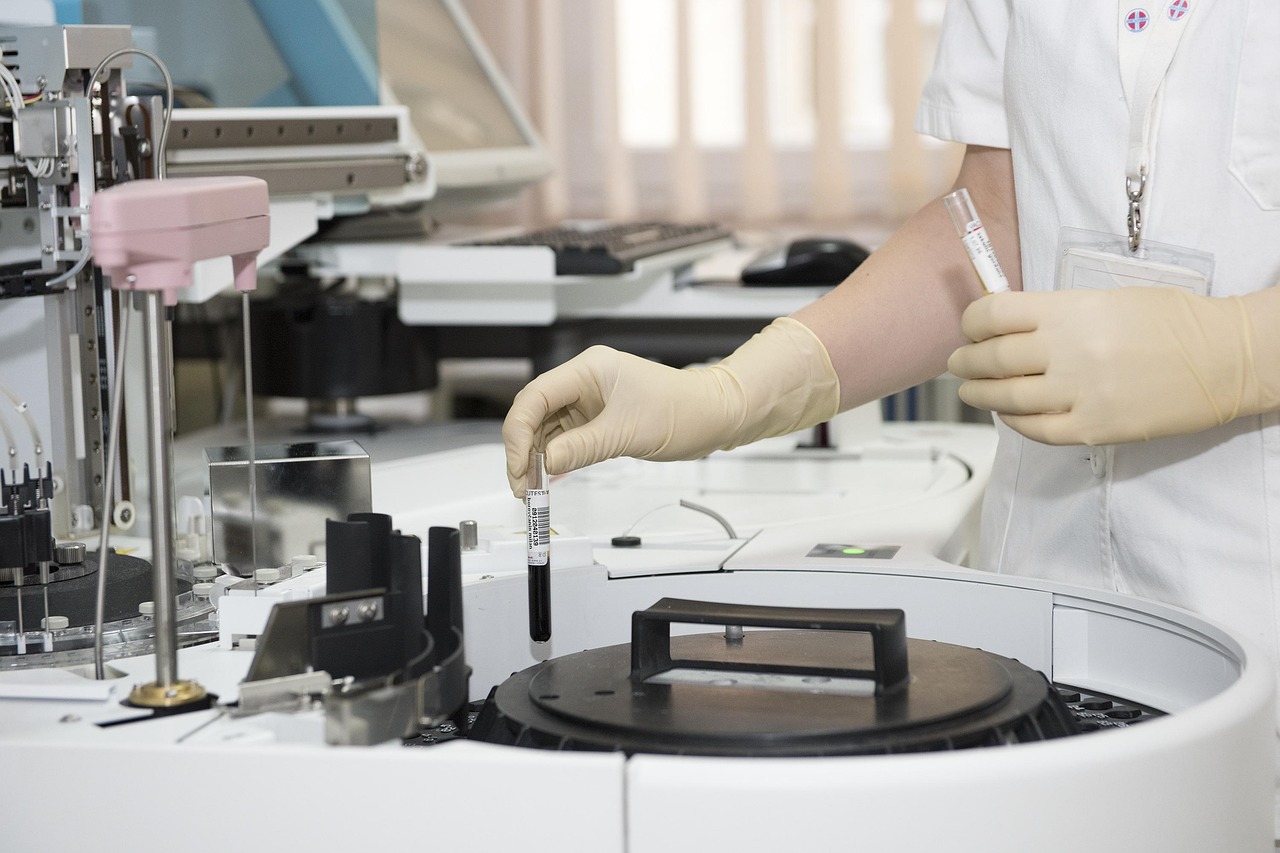
A thyroid test is a vital tool for diagnosing thyroid disorders, which affect millions of people worldwide. It measures the levels of thyroid hormones (T3 and T4) and thyroid-stimulating hormone (TSH) in your blood. Accurate results are essential for determining the cause of symptoms like fatigue, weight gain, or anxiety, and for guiding treatment plans. However, preparing appropriately can significantly impact test accuracy.
What Your Doctor Might Advise Before a Thyroid Test
1. Avoid Medications (Especially Thyroid-Related Drugs) for a Specific Period
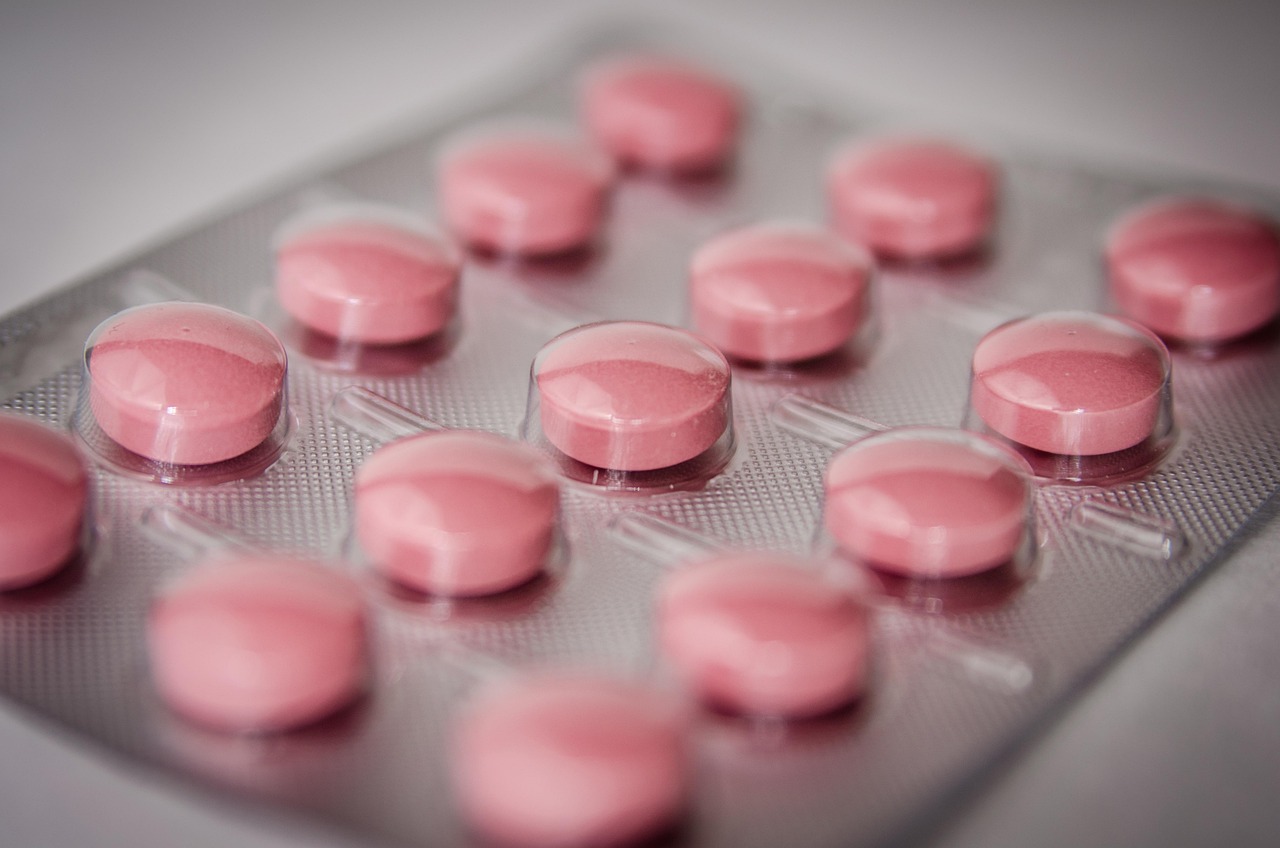
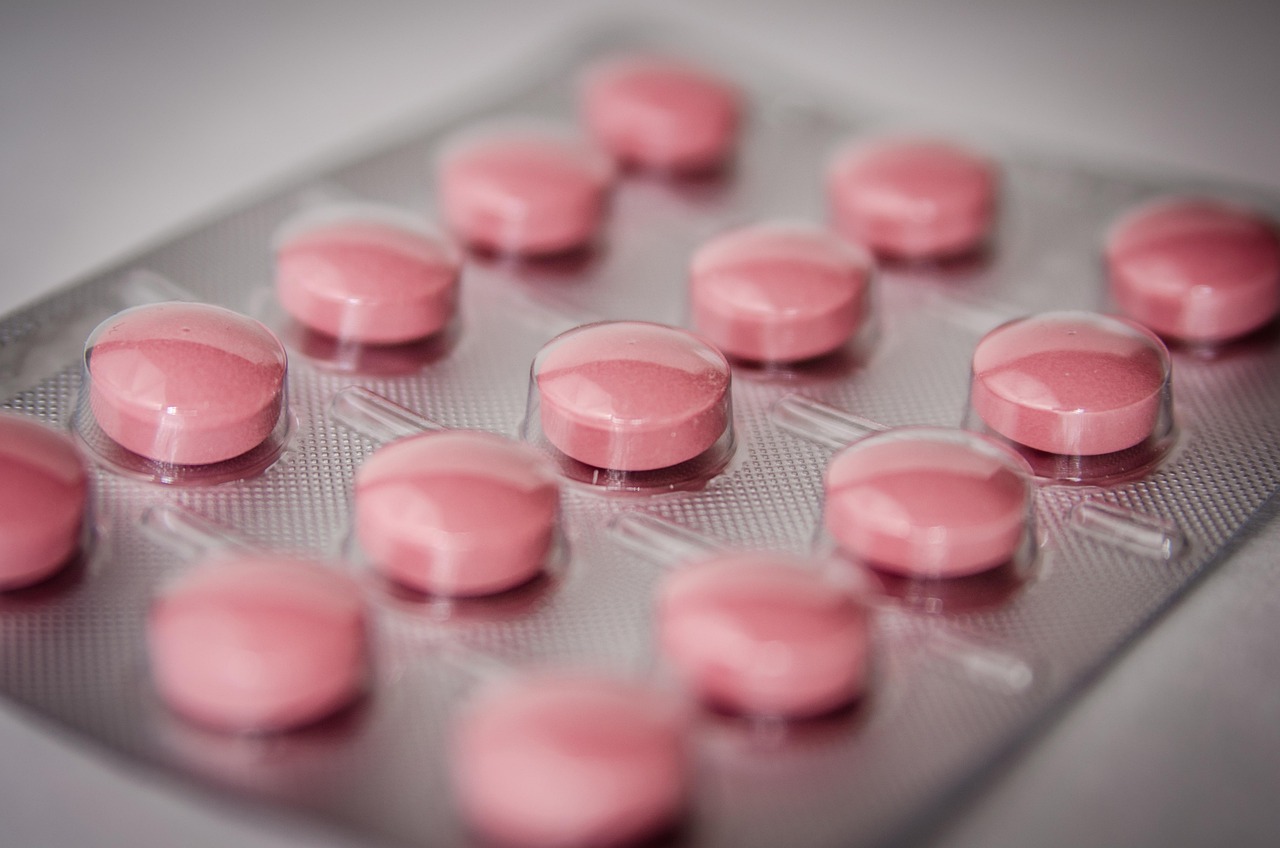
Some medications, particularly those designed to treat thyroid conditions, can interfere with test results. If you’re taking any of these, your doctor will likely ask you to stop or reduce the dosage temporarily before the test. This is because these drugs can alter hormone levels and give misleading results. Examples include:
- Synthroid (levothyroxine)
- Armour thyroid
- Cytomel (metimazole)
- Tapazol (propylthiouracil)
2. Refrain from Eating or Drinking Certain Substances
Food and beverages can also affect test outcomes, especially if consumed close to the test time. Your doctor might recommend:
- Not eating or drinking anything except water for a few hours before the test (typically 4–6 hours). This ensures that your body’s hormone levels are in a natural state.
- Avoiding goitrogenic foods like broccoli, cauliflower, cabbage, and soy products for a couple of days before the test. These plant compounds can interfere with thyroid function and medication absorption.
3. Steer Clear of Physical Stress or Intense Exercises
Exercising intensely or experiencing significant physical stress right before a thyroid test could impact results. Here’s what to consider:
- Avoid strenuous activities like heavy lifting, high-intensity interval training (HIIT), or long-distance running within 24–48 hours of the test.
- Extreme physical stress can elevate cortisol levels, which might affect TSH and thyroid hormone measurements.
4. Get Enough Sleep in the Days Leading Up to the Test
Sleep plays a crucial role in regulating hormones, including those related to thyroid function. Your doctor may advise:
- Maintaining a consistent sleep schedule and aiming for 7–9 hours of quality sleep each night.
- Avoiding late-night shifts or significant changes to your normal rest patterns before the test.
5. Stay Hydrated but Limit Intake Before the Test
Hydration is generally good for overall health, but there are nuances when it comes to thyroid testing:
- Drink plenty of water throughout the day to support hormone production and excretion.
- However, limit your fluid intake just before the test (about 2–3 hours prior) to avoid diluting your blood and potentially affecting test accuracy.
What Not to Do Before a Thyroid Test
While there are specific preparations you should make, there are also actions to avoid that could compromise test results:
- Do not take or change any medications without consulting your doctor, especially those for heart conditions, diabetes, or depression. Some of these can impact thyroid hormone levels.
- Avoid excessive caffeine intake and alcohol consumption, as both can affect hormone production and testing outcomes.
- Refrain from smoking cigarettes, as nicotine has been linked to thyroid disorders and may skew test results.
- Do not panic or stress excessively, as emotional distress can elevate cortisol, potentially influencing the test.
FAQ: Addressing Common Concerns Before a Thyroid Test
1. Can I take my vitamins or supplements before the test?
It’s best to check with your doctor about any supplements you’re taking. Some, like calcium and iron supplements, could interfere with thyroid function and testing.
2. How long do I need to fast before a thyroid blood test?
Most doctors recommend fasting for 8–12 hours before the test, typically avoiding food and liquids (except water) during this time. However, specific instructions may vary, so always confirm with your healthcare provider.
3. What if I have an underlying medical condition that requires medication? Can I still get a thyroid test?
Absolutely. Your doctor will guide you on how to prepare for the test while managing your existing conditions. In many cases, they might adjust your medications temporarily to ensure accurate results.
4. Are there any foods my doctor definitely wants me to avoid before a thyroid test?
Yes, goitrogenic foods like broccoli, kale, and soy products can interfere with thyroid function. It’s best to steer clear of these for a few days before the test. Your doctor may also suggest limiting intake of high-fiber foods or those rich in iodine, depending on your individual case.
5. Can stress of any kind affect my thyroid test results?
Yes, significant physical or emotional stress can elevate cortisol levels, which might impact TSH and thyroid hormone measurements. Try to maintain a calm state before the test and ensure adequate sleep to support optimal hormone regulation.
Conclusion: Ensuring Accurate Thyroid Test Results
A successful thyroid test relies on proper preparation to yield reliable results. By avoiding specific medications, foods, activities, and stress, you can help your doctor obtain an accurate picture of your thyroid health. Always follow your healthcare provider’s instructions carefully and feel free to ask questions if any aspect of the preparation seems unclear. Remember, a well-prepared test increases the chances of getting a correct diagnosis and effective treatment for any thyroid-related conditions.