TL;DR
A thyroid test is crucial for diagnosing thyroid conditions, but what you eat and drink before the test can impact results. This article explores essential foods and beverages to avoid prior to a thyroid test, ensuring accurate readings and guiding you toward optimal preparation.
Understanding Thyroid Tests
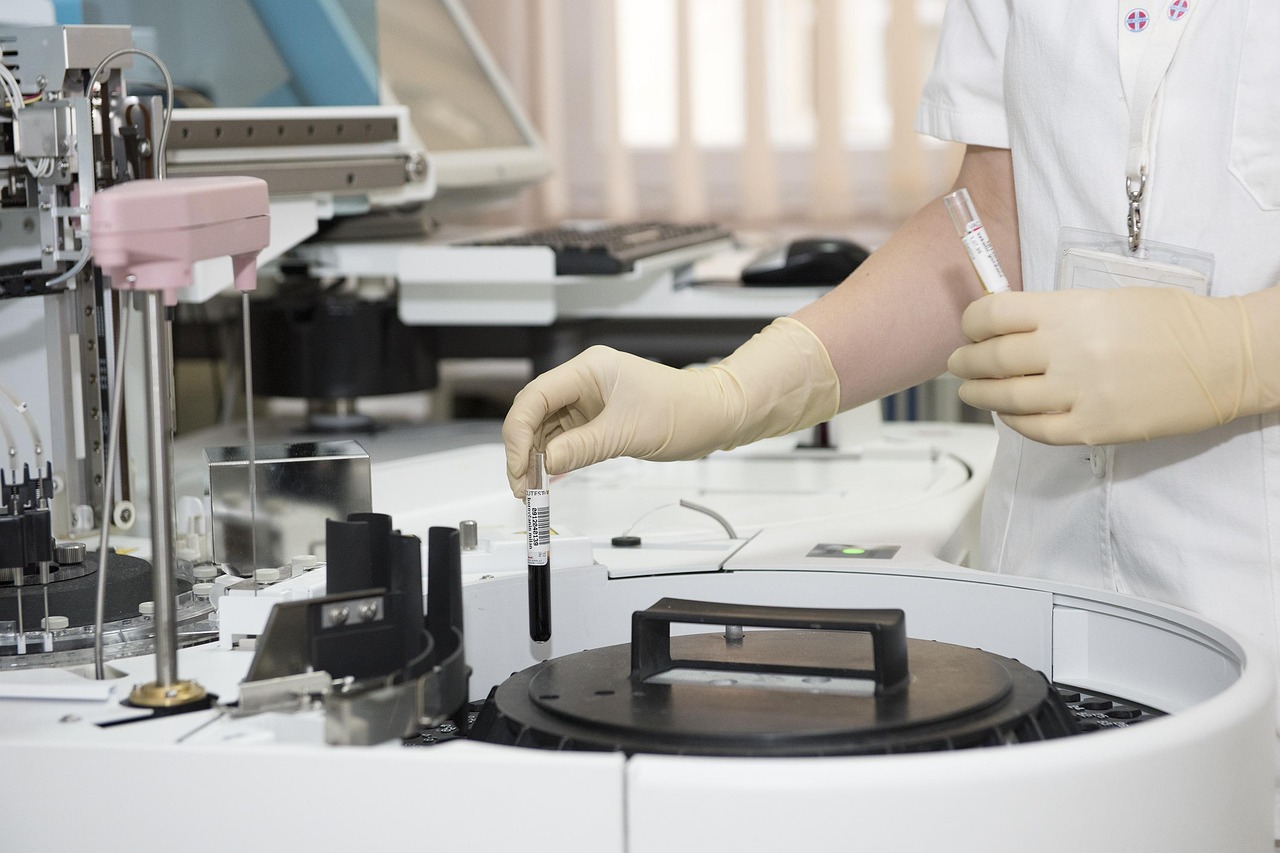
A thyroid test evaluates your thyroid gland’s function by measuring hormone levels in your blood. These tests are essential tools for diagnosing hypothyroidism (underactive thyroid), hyperthyroidism (overactive thyroid), or thyroiditis, among other conditions. Before undergoing a thyroid test, it’s vital to follow specific guidelines to ensure accurate results. One critical aspect often overlooked is dietary choices, which can influence the body’s hormone levels.
Foods and Drinks to Steer Clear Of
1. High-Iodine Containing Foods
Thyroid hormones rely on iodine for production. While a certain amount of iodine is necessary, excessive intake can interfere with test results. Items rich in iodine include:
- Iodized salt (table salt)
- Seafood, such as shellfish and fish (especially seaweed-based varieties like nori, wakame, or kelp)
- Dairy products
- Some types of bread and cereal
Instead: Opt for low-iodine or iodine-free alternatives. Use sea salt sparingly, and choose foods naturally rich in iodine in moderation.
2. Caffeinated Beverages
Caffeine can stimulate your thyroid gland, potentially leading to false test results. Avoid the following before your thyroid test:
- Coffee
- Tea (especially green tea)
- Energy drinks
- Cola beverages
Hydration is Key: Stick to water or natural fruit juices without caffeine for hydration.
3. Spicy Foods
Capricious consumption of spicy foods, particularly right before the test, might cause temporary inflammation in your thyroid gland. This can affect test readings. Consider these alternatives:
- Opt for mild spices and herbs in your cooking.
- Avoid hot sauces and extremely spicy dishes.
4. Processed Sugars and Refined Carbohydrates
High sugar intake can impact insulin levels, which in turn may affect thyroid function. Refrained from excessive amounts of:
- Candy
- Soda
- White bread
- Pastries
Healthy Alternatives: Choose complex carbohydrates like whole grains, fruits, and vegetables.
5. Alcohol
Alcohol consumption can disrupt hormone balance and interfere with test results. It’s best to abstain from alcohol a day or two before your thyroid test.
What to Eat and Drink Instead?
Focus on a balanced diet rich in:
- Fruits and Vegetables: These provide essential vitamins, minerals, and antioxidants supporting thyroid health.
- Lean Proteins: Choose fish (in moderation), poultry, beans, and tofu for amino acids crucial for hormone production.
- Whole Grains: Oats, quinoa, brown rice, and whole wheat ensure a steady energy supply and fiber.
- Healthy Fats: Avocados, nuts, seeds, olive oil, and fatty fish like salmon provide essential fatty acids.
- Calcium and Vitamin D: Dairy products (in moderation) or calcium-fortified alternatives, along with sunlight exposure for vitamin D, support thyroid function.
Preparing for Your Thyroid Test: A Comprehensive Guide
Apart from dietary adjustments, here are some additional tips to ensure a successful thyroid test:
- Timing: Fast for 8–12 hours before the test to ensure accurate results. Avoid food and drink (except water) during this period.
- Medication: Continue taking any prescribed thyroid medications as normal unless advised otherwise by your healthcare provider.
- Stress Management: Practice relaxation techniques like deep breathing or meditation to minimize stress, which can impact test results.
- Avoid Physical Exertion: Refrain from intense exercise 24 hours before the test to prevent potential interference with hormone levels.
Conclusion: Achieving Accurate Results
Preparing for a thyroid test involves more than just understanding the procedure. Foods and drinks you consume beforehand can significantly impact test results, emphasizing the importance of dietary considerations. By steering clear of high-iodine foods, caffeine, spicy dishes, refined sugars, and alcohol, and opting instead for a balanced diet rich in healthy fats, fruits, vegetables, and whole grains, you’ll ensure more accurate thyroid test outcomes. Always consult with your healthcare provider for personalized guidance tailored to your specific health needs.
Frequently Asked Questions (FAQs)
-
Can I have tea before my thyroid test?
It’s best to avoid tea, especially green tea, due to its caffeine content. Opt for water or herbal teas without caffeine. -
How long before the test should I stop eating and drinking?
Fast for 8–12 hours before the test, avoiding food and drink (except water) during this period. -
Will my thyroid test results be affected by seasonal variations in diet?
While seasonal changes might influence overall dietary intake, they generally won’t significantly impact thyroid test results if your diet remains relatively consistent. -
Are there any specific vitamins or supplements I should take before the test?
Unless recommended by your healthcare provider, avoid taking any new vitamins or supplements before the test as they could interfere with results. -
Can I exercise before my thyroid test?
It’s best to avoid intense physical activity 24 hours prior to the test to prevent potential interference with hormone levels. Light exercise is generally acceptable.