TL;DR
Understanding what to avoid before a thyroid test is crucial for achieving accurate results. This comprehensive guide walks you through dietary considerations, medications, and lifestyle factors that can impact thyroid function tests. By following these guidelines, you’ll maximize the reliability of your thyroid test outcomes, leading to proper diagnosis and treatment.
Introduction: Why Accurate Results Matter
A thyroid test is a vital tool for diagnosing thyroid disorders such as hypothyroidism, hyperthyroidism, or thyroiditis. These conditions affect millions of people worldwide and can cause a range of symptoms, from fatigue and weight gain to palpitations and emotional instability. Accurate thyroid test results are essential for receiving appropriate treatment and managing these conditions effectively. However, various factors can interfere with test accuracy, leading to incorrect diagnoses and delayed or inadequate treatment. This article delves into what you should avoid before a thyroid test to ensure reliable outcomes.
Understanding Thyroid Tests
What is a Thyroid Test?
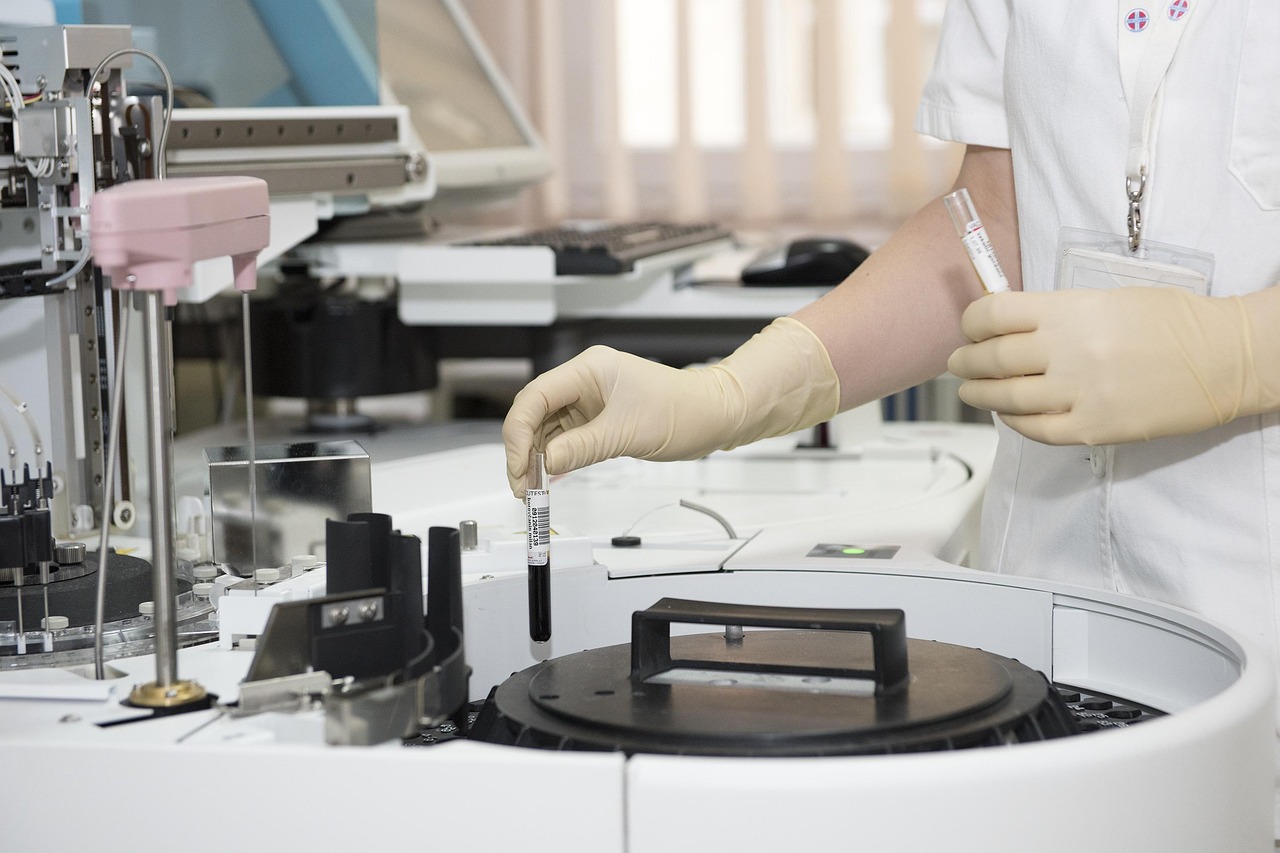
A thyroid test, also known as a thyroid function test, evaluates the levels of thyroid hormones (T3, T4, and TSH) in your blood. These hormones play a critical role in regulating metabolism, growth, and development. The most common thyroid tests include:
- TSH (Thyroid-Stimulating Hormone) Test: Measures the amount of TSH produced by the pituitary gland to stimulate the thyroid.
- T3 and T4 Tests: Directly measure the levels of triiodothyronine (T3) and thyroxine (T4), the primary active thyroid hormones.
When to Get a Thyroid Test
Your healthcare provider may recommend a thyroid test if you exhibit symptoms of a thyroid disorder, such as:
- Extreme fatigue or weakness
- Weight gain or difficulty losing weight
- Sensitivity to cold or heat
- Dry skin and hair
- Constipation or diarrhea
- Muscle pain or weakness
- Palpitations or rapid heartbeat
- Depression or anxiety
What to Avoid Before a Thyroid Test
To ensure the accuracy of your thyroid test, it’s crucial to avoid certain factors that can skew results. Here are comprehensive guidelines to follow:
1. Avoid Certain Medications
Some medications can interfere with thyroid tests. Inform your healthcare provider about any drugs you’re taking before getting tested. Specifically, avoid these types of medications in the week leading up to the test:
- Antithyroid Drugs: Used to treat hyperthyroidism (e.g., propylthiouracil, methimazole) can significantly alter thyroid hormone levels and yield inaccurate results.
- Beta-Blockers: Common blood pressure medications like propranolol can lower T3 and T4 levels temporarily, affecting test outcomes.
- Opiates: Painkillers such as codeine or morphine may cause a false increase in TSH levels.
- Antipsychotics and Antidepressants: Certain mental health medications can also interfere with thyroid test results.
2. Refrain from Excessive Caffeine
Caffeine stimulates the central nervous system and can temporarily increase cortisol levels, affecting TSH measurements. To ensure accurate results, avoid consuming excessive caffeine, especially on the day of the test. Opt for decaffeinated beverages or limit your intake to moderate levels.
3. Maintain a Balanced Diet
Diet plays a significant role in thyroid health. While specific foods don’t directly interfere with tests, maintaining a balanced diet ensures optimal hormone production. Focus on incorporating these nutrient-rich foods into your diet:
- Iodine-Rich Foods: Iodine is essential for thyroid hormone synthesis. Include seafood (e.g., fish, seaweed), dairy products, and iodized salt in your diet.
- Iron-Rich Foods: Iron deficiency can impact thyroid function. Consume iron-rich foods such as lean meats, poultry, beans, and dark leafy greens.
- Vitamin D and Selenium: These essential nutrients support thyroid health. Get vitamin D from sunlight exposure, fortified foods, or supplements, and incorporate selenium-rich foods like Brazil nuts, eggs, and seafood.
4. Avoid Excessive Stress
Stress can elevate cortisol levels, which may affect TSH readings. Practice relaxation techniques such as meditation, deep breathing exercises, or yoga to manage stress levels in the weeks leading up to your test. Adequate sleep (7-9 hours per night) is also crucial for maintaining thyroid health and hormone balance.
5. Steer Clear of Smoking
Smoking can interfere with thyroid function and test results. Quitting smoking before a thyroid test can improve accuracy and overall thyroid health. Seek support from healthcare professionals or join a support group to aid in your quitting journey.
6. Avoid Major Weight Loss or Gain
Rapid weight loss or gain can temporarily disrupt thyroid function. Aim for gradual, sustainable weight management instead of extreme dieting practices that could impact test results.
When to Get Tested
- Consistency is Key: Try to schedule your thyroid test early in the day, as hormone levels can fluctuate throughout the day.
- Avoid Testing During Illness: If you’re unwell or experiencing symptoms similar to those of a thyroid disorder, discuss rescheduling with your healthcare provider. Acute illnesses can affect test results.
- Regular Check-ups: Depending on your risk factors and medical history, your healthcare provider might recommend regular thyroid check-ups to monitor thyroid function over time.
Frequently Asked Questions (FAQs)
1. Can I take my vitamins before a thyroid test?
Yes, you can take your vitamins as usual before the test. However, avoid taking any new supplements or vitamins in excessive amounts close to the testing window, as these could potentially interfere with results.
2. How long should I fast before a TSH test?
For most TSH tests, fasting is not required. You can eat and drink normally before the test. However, always confirm this with your healthcare provider as some labs may have specific instructions.
3. Can stress of a major life event affect my thyroid test results?
Yes, significant life stressors or recent traumatic events can temporarily impact thyroid hormone levels and potentially affect test outcomes. Try to manage stress through relaxation techniques or counseling if applicable.
4. Are there any foods I should avoid before a thyroid test?
While no specific foods need to be avoided, it’s best to maintain a balanced diet rich in iodine, iron, vitamin D, and selenium. Avoid excessive caffeine intake on the day of the test.
5. What if I suspect my medication is interfering with my thyroid test?
If you believe one of your medications might be affecting your thyroid test results, discuss it with your healthcare provider. They may adjust your dosage or prescribe an alternative medication that does not interfere with thyroid function tests.
Conclusion
Achieving accurate thyroid test results requires careful consideration of pre-test preparations. By avoiding certain medications, maintaining a balanced diet, managing stress, and adhering to testing guidelines, you can ensure reliable outcomes. Remember, proper preparation is key to obtaining meaningful and actionable test results, leading to more effective management of thyroid conditions.