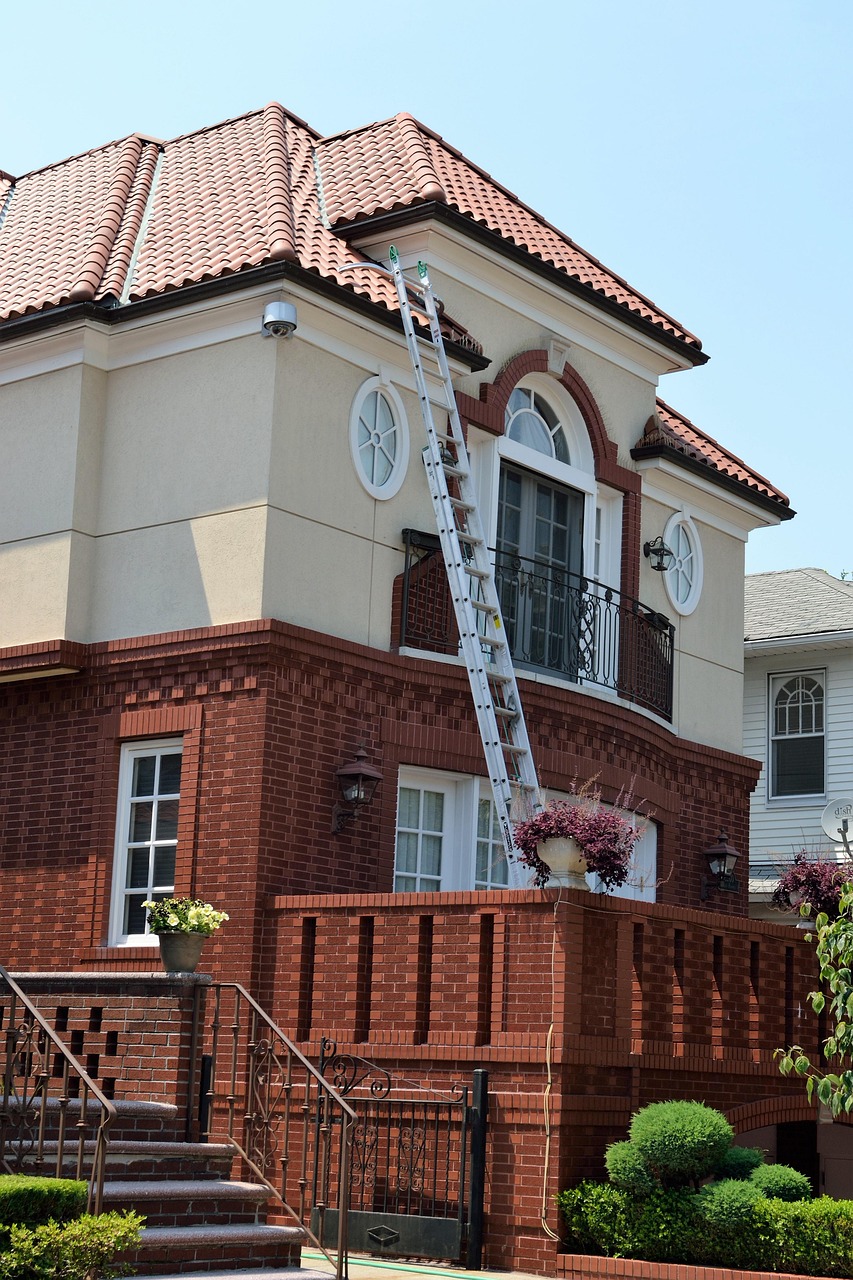
Introduction
Home repair and maintenance are essential aspects of homeownership that can significantly impact your comfort, safety, and financial stability. Regular upkeep and inspections are key to preventing costly repairs, ensuring the longevity of your property, and maximizing its value. This comprehensive guide delves into one critical aspect of home maintenance: home inspection and consulting services. By understanding how these professionals can assist you, you’ll be better equipped to make informed decisions regarding your home’s care.
I. Understanding Home Inspection and Consulting Services
What is a Home Inspection?
A home inspection is a thorough evaluation of a property’s condition, performed by a qualified professional known as an inspector. These inspectors have the expertise to assess various systems and components within a home, including the structural integrity, electrical systems, plumbing, roofing, heating, ventilation, and air conditioning (HVAC), and more.
The Benefits of Hiring a Professional Inspector:
-
Objective Expertise: Homeowners may miss potential issues due to emotional attachment or lack of knowledge. Inspectors provide an unbiased, professional opinion on the overall condition of your home.
-
Comprehensive Assessment: A thorough inspection covers all critical systems and components, ensuring that nothing is overlooked during the process.
-
Pre-Purchase Peace of Mind: For prospective buyers, a pre-purchase inspection can reveal hidden problems, allowing informed decisions about purchasing a property.
-
Maintenance Guidance: Inspectors offer recommendations for necessary repairs and maintenance tasks, helping homeowners prioritize their to-do lists.
Types of Home Inspections:
-
Full Home Inspection: Covers all major systems and components, providing a comprehensive report on the overall condition of the property.
-
Specific System Inspections: Focused on particular areas like roofing, electrical, or plumbing, these inspections are ideal for targeted assessments or when concerns arise about specific aspects of the home.
-
New Construction Inspection: Ensures that newly built homes meet construction standards and code requirements before occupancy.
II. The Home Inspection Process
What to Expect During an Inspection:
The inspection process typically involves several key steps:
-
Pre-Inspection Planning: Inspectors review the property’s history, recent changes, and any known issues to tailor their approach.
-
Visual Inspection: The inspector conducts a meticulous visual examination of every accessible area, noting observations and potential problems.
-
System Evaluation: Various systems are tested and assessed for functionality, safety, and code compliance. This includes checking the electrical panel, plumbing fixtures, HVAC systems, and more.
-
Reporting: After the inspection, inspectors prepare a detailed report outlining their findings, including any recommended repairs or maintenance tasks.
Common Issues Identified During Home Inspections:
-
Structural Damage: Foundation cracks, uneven floors, or bowing walls may indicate structural issues that require professional repair.
-
Roofing Problems: Missing shingles, damaged gutters, or signs of water intrusion can lead to costly roofing repairs or replacement.
-
Electrical Wiring Concerns: Outdated wiring, faulty outlets, or inadequate grounding can pose safety hazards and necessitate re-wiring.
-
Plumbing Leaks and Clogs: These issues may go unnoticed until significant damage occurs; regular inspections help identify and resolve them promptly.
-
Heating and Cooling System Inefficiencies: Old or poorly maintained HVAC systems can lead to higher energy bills and reduced indoor comfort.
III. Home Consulting: Going Beyond the Inspection
What is Home Consulting?
Home consulting involves expert advice and guidance tailored to a homeowner’s specific needs. Consultants offer personalized solutions for various aspects of home repair, maintenance, and improvement projects. Their role extends beyond inspections by providing actionable recommendations and helping homeowners make informed decisions about their properties.
Services Provided by Home Consultants:
-
Repair Recommendations: Consultants assess inspection findings and provide tailored suggestions for repairs, including cost estimates and potential solutions.
-
Maintenance Planning: They develop personalized maintenance schedules to ensure regular care for the home’s systems and components.
-
Remodeling and Renovation Guidance: Consultants offer design ideas, help create budgets, and oversee projects, ensuring successful renovations that enhance the property’s value.
-
Energy Efficiency Audits: These audits identify areas for improvement in energy efficiency, leading to cost savings and a more sustainable home.
Benefits of Engaging a Home Consultant:
-
Personalized Solutions: Consultants tailor their services to your unique situation, ensuring that recommendations align with your budget, style, and goals.
-
Expertise and Experience: With in-depth knowledge, consultants can provide valuable insights into complex home issues, ensuring the best outcomes for repairs or improvements.
-
Time and Cost Savings: They help homeowners avoid costly mistakes by offering guidance throughout projects, from planning to execution.
-
Peace of Mind: Consultants ensure that maintenance tasks are completed correctly, reducing potential hazards and the risk of future damage.
FAQ – Home Repair and Maintenance
1. How often should I have my home inspected?
Home inspections are recommended at least once a year for existing properties to catch potential issues early. For new homes, an inspection after one year ensures that all systems function correctly and complies with local building codes. Regular inspections are crucial for maintaining the property’s value and your peace of mind.
2. What should I do if the inspection reveals problems?
Upon receiving an inspection report, prioritize addressing critical issues first, especially those related to safety or structural integrity. Consult with qualified contractors or professionals for repairs, and consider engaging a home consultant for guidance on long-term maintenance and renovation plans.
3. How can I prepare for a home inspection?
Preparing for an inspection involves decluttering, ensuring easy access to all areas, and scheduling any necessary repairs beforehand. Documenting the history of recent maintenance or improvements is also beneficial. Be open to the inspector’s recommendations and ask questions if anything is unclear during the process.
4. Are home inspections worth the cost?
Absolutely. Home inspections provide valuable insights into your property’s condition, helping you make informed decisions about repairs, renovations, and maintenance. They can save you money in the long run by preventing costly surprises and ensuring that your investment is well-maintained.
5. How do I choose a qualified home inspector or consultant?
Look for inspectors with relevant certifications from reputable organizations. Check their experience, insurance coverage, and client reviews. Reputable inspectors will also provide references and offer transparent pricing structures, ensuring you receive professional, reliable service.
Conclusion
Home repair and maintenance are integral to preserving your property’s value, ensuring comfort, and promoting safety. Home inspections and consulting services play a pivotal role in achieving these goals by providing expert assessments, guidance, and actionable recommendations. By understanding the process, benefits, and available resources, homeowners can take proactive steps to maintain their properties effectively. Remember, a well-cared-for home is a wise investment for any homeowner.