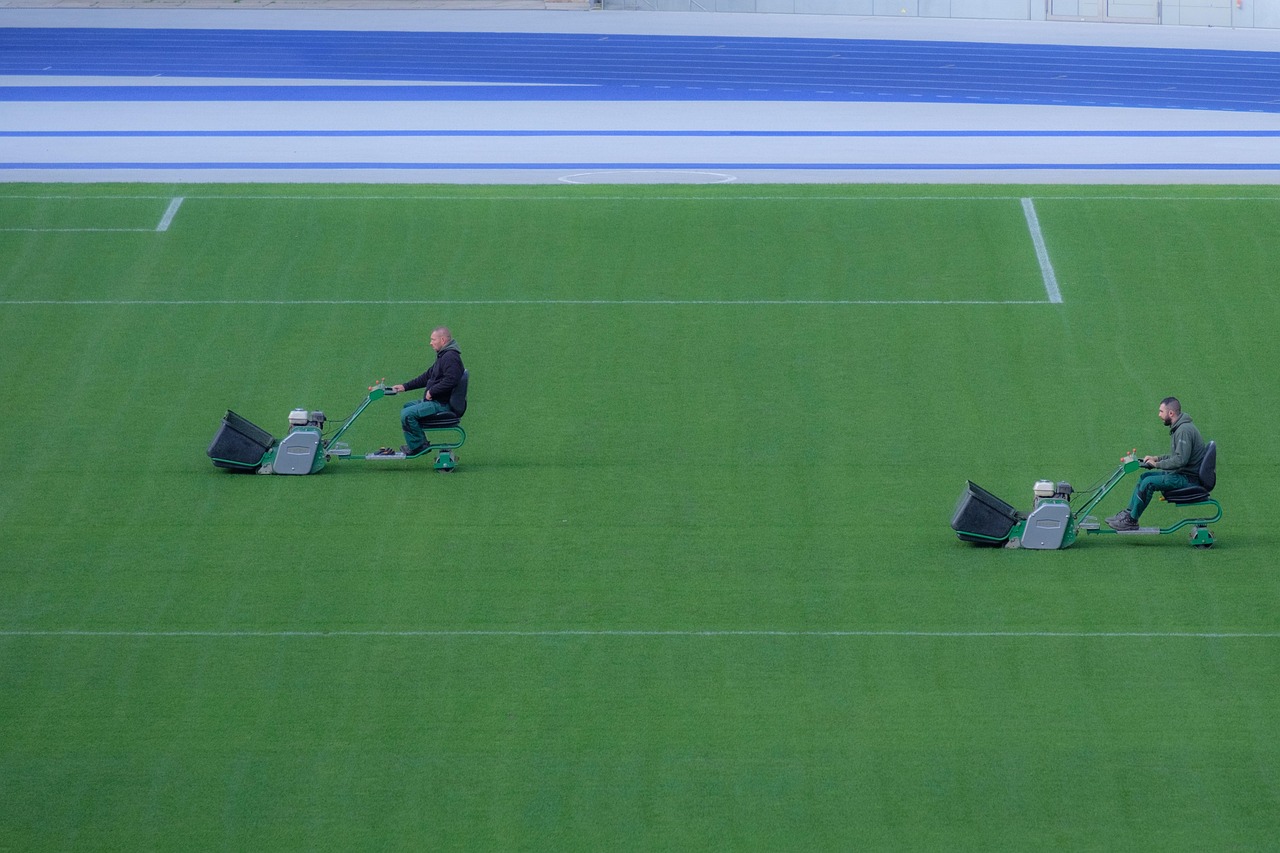
Lawn care and landscaping are essential aspects of maintaining a beautiful and healthy outdoor space. Among various techniques, effective lawn fertilization and weed control stand out as critical components to achieving lush greenery and a thriving landscape. This comprehensive guide delves into the intricacies of these practices, offering valuable insights for homeowners and professionals alike. Get ready to transform your yard into a vibrant oasis with expert advice on lawn care and landscaping.
Understanding Lawn Fertilization: Nurturing Green Excellence
The Importance of Lawn Fertilization
Lawn fertilization is a cornerstone of lawn care and landscaping, as it provides essential nutrients that promote robust grass growth and overall turf health. By carefully selecting and applying fertilizers, you can achieve several desirable outcomes:
- Enhanced Grass Color: Fertilizers enrich the soil, leading to deeper green grass colors.
- Improved Turf Density: They encourage thicker, healthier grass blades, reducing bare spots.
- Disease Resistance: Adequate nutrition bolsters the grass’s natural defense mechanisms against diseases.
- Seasonal Adaptability: Different fertilizers cater to seasonal needs, ensuring optimal performance year-round.
Types of Lawn Fertilizers
The world of lawn fertilizers offers a diverse range of options tailored to specific grass types and soil conditions. Understanding these variations is key to effective fertilization:
- Nitrogen-Rich Fertilizers: Boosts grass growth and overall lushness, ideal for spring and summer applications.
- Phosphorus-Focused Fertilizers: Promotes root development and overall turf strength, best used in late summer or early fall.
- Potassium-Enriched Fertilizers: Enhances disease resistance and winter hardiness, typically applied in late fall.
- Slow-Release Fertilizers: These release nutrients gradually, ensuring steady grass growth without excessive nitrogen runoff.
Applying Lawn Fertilizers: A Step-by-Step Guide
Proper application is as crucial as choosing the right fertilizer. Here’s a simplified step-by-step process to ensure optimal results:
- Test Your Soil: Analyze your soil’s nutrient levels, pH balance, and organic matter content using at-home testing kits or professional services.
- Select the Right Fertilizer: Based on your soil test results, choose a fertilizer formula tailored to your lawn’s needs.
- Spread Uniformly: Distribute the fertilizer evenly across your lawn using a spreader, ensuring no over-application or skip areas.
- Water Thoroughly: After application, water the lawn deeply and thoroughly to activate the fertilizer and prevent burning.
- Timing is Key: Follow the manufacturer’s instructions regarding application frequency and timing for best results.
Unlocking Effective Weed Control: A Comprehensive Approach
The Battle Against Weeds: Why It Matters
Weeds are more than just an aesthetic nuisance; they can compete with your grass for essential nutrients, water, and sunlight, leading to a weak and uneven lawn. Implementing robust weed control measures offers multiple benefits:
- Maintains Lawn Health: By preventing weeds from stealing resources, it ensures your grass remains thick and vibrant.
- Aesthetics: Weedy lawns can detract from the overall beauty of your landscape design.
- Disease Prevention: Weeds may harbor diseases that can spread to healthy grass areas.
- Long-Term Savings: Effective weed control reduces the need for frequent reseeding or returfing.
Cultural and Mechanical Weed Control Methods
Before resorting to chemical solutions, consider these non-chemical approaches:
- Hand Pulling: A labor-intensive method suitable for small areas or specific weeds.
- Mulching: Chopping and leaving plant debris from mowing can smother weed seeds and reduce their germination.
- Overseeding: Planting grass seed over the existing lawn in late summer or early fall helps crowd out weeds naturally.
- Consistent Mowing: Regular mowing at the appropriate height prevents weeds from setting seed and maintains a healthy grass layer.
Chemical Weed Control: Targeted Solutions
For persistent weed problems, chemical control offers targeted solutions. Here’s how to navigate this approach:
- Selective Herbicides: These chemicals target specific types of weeds while leaving your grass unharmed. Always follow label instructions carefully.
- Pre-Emergent Herbicides: Applied before weed seeds germinate, they prevent weeds from growing. Ideal for seasonal applications.
- Post-Emergent Herbicides: Kills existing weeds but requires precise timing to avoid damaging grass.
- Herbicide Application Techniques: Spraying, dousing, or spot-treating affected areas ensures effective control with minimal environmental impact.
Common Lawn Care and Landscaping Questions Answered
FAQ:
Q: How often should I fertilize my lawn?
A: The frequency depends on your grass type, climate, and soil conditions. As a general guideline, apply fertilizer in spring, summer, and fall (3-4 times annually). Always follow product instructions for best results.
Q: Can I use the same fertilizer for all seasons?
A: While some fertilizers are designed for year-round use, seasonal variations can benefit your lawn. Spring and summer fertilizers focus on growth, while fall and winter formulas support turf health and resilience.
Q: Are there environmental concerns with chemical weed control?
A: Responsible application minimizes environmental impact. Always follow label instructions and consider eco-friendly options like selective herbicides. Proper disposal of chemicals is crucial to protect local water sources.
Q: How do I choose the right mower for my lawn?
A: Select a mower based on your lawn size, terrain, and grass type. Push mowers are suitable for smaller areas, while ride-on or zero-turn mowers handle larger lawns efficiently. Ensure regular maintenance for optimal performance.
Q: Can I DIY weed control, or is professional help needed?
A: For minor weed problems, DIY methods like hand pulling, mulching, and consistent mowing are effective. For extensive or persistent weed infestations, professional landscarping services offer specialized equipment and expertise for comprehensive solutions.
Conclusion: Nurturing a Thriving Lawn and Landscape
Lawn care and landscaping encompass a holistic approach to nurturing outdoor spaces. By understanding the fundamentals of lawn fertilization and adopting strategic weed control measures, homeowners and professionals can achieve exceptional results. This guide has provided valuable insights into the art and science of lawn maintenance, empowering you to make informed decisions. Remember, consistent care and attention will reward you with a lush, inviting lawn that becomes the envy of your neighborhood. Embrace the journey of creating and maintaining a beautiful outdoor sanctuary!