TL;DR: Before diving into a thyroid test, understand what factors can impact results. This checklist guides you through preparing for an accurate assessment of your thyroid health, ensuring optimal interpretation of your test data.
Thyroid Test: Understanding the Importance of Pre-Test Preparation
A thyroid test is a crucial tool to diagnose thyroid disorders such as hypothyroidism, hyperthyroidism, or thyroiditis. However, achieving accurate results requires careful consideration and preparation. This checklist aims to empower you with knowledge, ensuring your thyroid test provides valuable insights into your overall health. By following these guidelines, you’ll minimize potential disruptions and maximize the reliability of your test outcomes.
The Complete Pre-Thyroid Test Checklist:
1. Understanding Your Thyroid Function
Before scheduling a test, educate yourself about thyroid hormones and their role in your body. Knowing the functions of T3, T4, and TSH (Thyroid Stimulating Hormone) will help you grasp why certain habits or conditions might impact test results. Remember, this knowledge is empowering; it allows you to actively participate in your healthcare decisions.
2. Timing Your Test: The Optimal Window
The timing of your thyroid test is critical. Aim for morning hours, as hormone levels naturally fluctuate throughout the day. Typically, testing between 8 am and 10 am provides the most consistent results. Avoid having a meal or taking any medications (other than those prescribed specifically for your thyroid) within 4-6 hours before the test to ensure optimal accuracy.
3. Avoiding Common Disruptors
Certain factors can interfere with thyroid test results, leading to inaccurate readings. Here’s what to skip before your test:
-
Stress and Intense Exercise: Avoid intense physical activity or stressful situations for at least a day before the test. These can temporarily affect hormone levels.
-
Medications: Inform your healthcare provider about all medications you’re taking, as some drugs may impact thyroid function. Do not stop taking any medication without medical advice, but consider discussing alternatives if they could interfere with your test results.
-
Iodine Exposure: Iodine is essential for thyroid hormone production. While a small amount of iodine from typical dietary sources is acceptable, excessive exposure through seafood or supplements might skew test results. Avoid high-iodine foods or supplements a few days prior to testing.
-
Recent Infections or Illnesses: Some infections and illnesses can temporarily alter thyroid function. If you’re recovering from an infection, your doctor might recommend rescheduling the test until your body has had time to heal.
4. Preparing Your Sample Collection
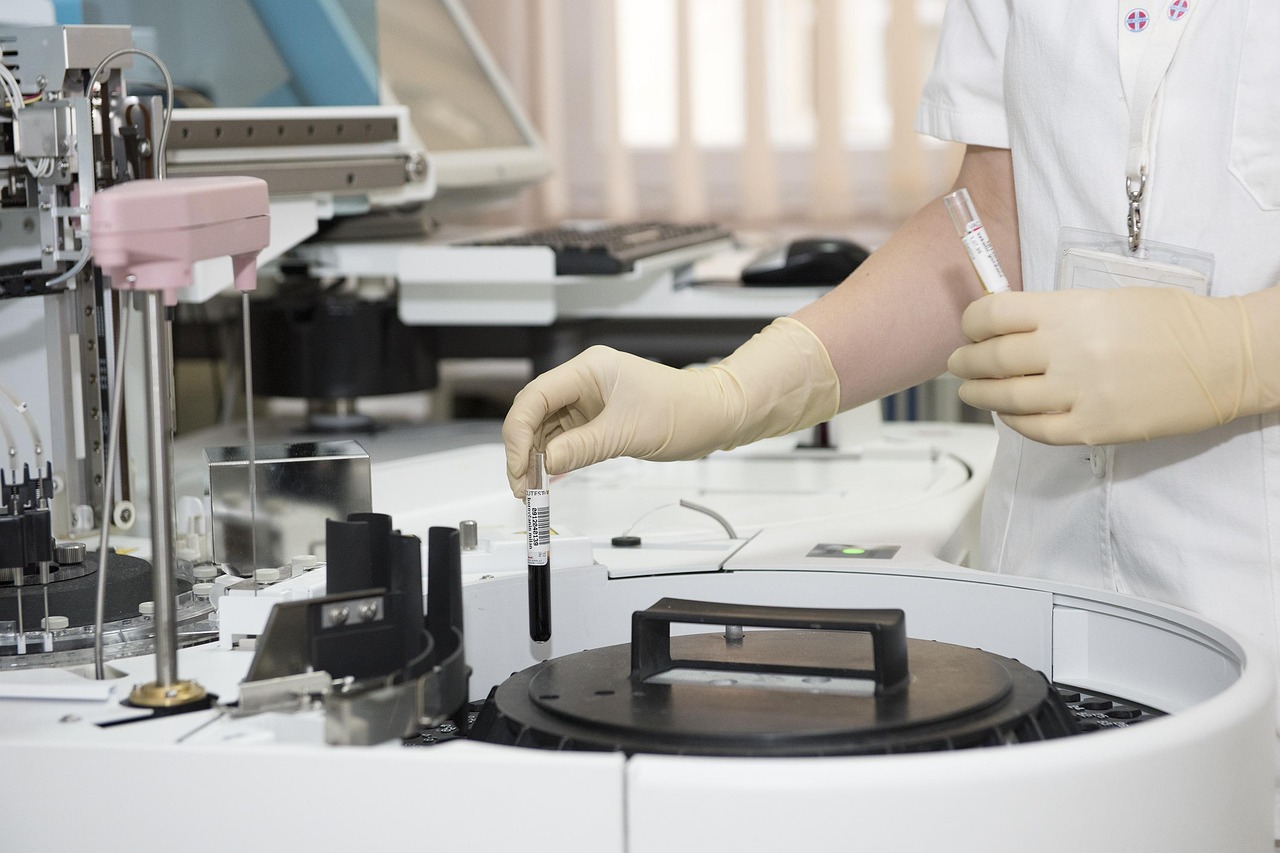
Ensure a smooth process by understanding how blood samples are collected for thyroid tests:
-
Choose a Comfortable Time: While morning testing is ideal, choose a time that works best for you and is relatively stress-free.
-
Avoid Constriction: Wear loose clothing to prevent any irritation or discomfort during the blood draw.
-
Stay Hydrated: Drink enough water leading up to your test, but avoid excessive hydration right before collection to ensure accurate results.
5. Maintaining Normal Sleep Patterns
Sleep plays a vital role in regulating thyroid hormones. Ensure you’ve had adequate and consistent sleep (7-9 hours for most adults) in the days leading up to your test. Irregular sleep patterns can impact hormone levels, affecting test accuracy.
6. Nutrition and Hydration
Proper nutrition is essential for thyroid health:
-
Balanced Diet: Eat a well-balanced diet rich in fruits, vegetables, lean proteins, and whole grains. Avoid extreme diets or rapid weight loss, as these can stress your thyroid.
-
Stay Hydrated: Drink plenty of water throughout the day to support overall bodily functions, including thyroid function.
7. Limit Caffeine and Alcohol
Both caffeine and alcohol can influence hormone levels:
-
Caffeine: Reduce or eliminate caffeine intake a few days before your test. High doses of caffeine may provide a temporary boost but could distort test results.
-
Alcohol: Avoid excessive alcohol consumption for at least 24 hours prior to the test, as it can impair hormone regulation and affect blood sample accuracy.
Conclusion:
Preparing for a thyroid test involves more than just scheduling an appointment; it requires understanding your body and its complexities. By following this checklist, you’ll ensure that your thyroid test provides meaningful insights into your health. Remember, accurate results depend on minimizing disruptions and maintaining optimal conditions at the time of testing. Your healthcare provider will appreciate your diligence, enabling them to interpret your test data accurately and recommend appropriate next steps for any necessary treatment or adjustments.