
A testosterone blood test is a common clinical procedure used to assess the levels of this crucial hormone in men and sometimes women. Testosterone plays a vital role in various physiological processes, including muscle mass, bone density, fat distribution, and libido. A healthcare provider may order this test to evaluate potential hormonal imbalances, diagnose conditions such as hypogonadism, or monitor treatment effectiveness. The procedure involves drawing a small sample of blood, typically from a vein in the arm, and analyzing it for testosterone concentrations. While it may cause minimal discomfort, patients often have concerns about the level of pain associated with this process. This article provides insights into what to expect during a testosterone blood test, addressing common questions and ensuring patients are well-informed about the procedure’s clinical significance.
Testosterone Blood Test: Natural Considerations for Minimizing Discomfort
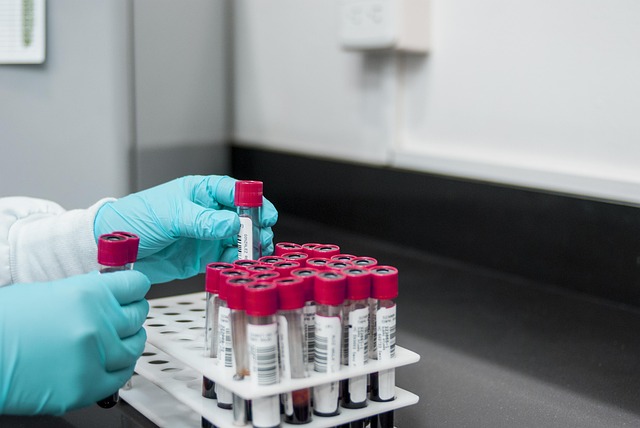
Testosterone Blood Test: Natural Considerations for Minimizing Discomfort
The testosterone blood test, a crucial diagnostic tool for evaluating androgen levels, often involves drawing blood, which, while generally quick and safe, can cause temporary discomfort. Several natural strategies can help mitigate this, enhancing patient comfort and accuracy during the procedure.
Natural Considerations for Testosterone Blood Test Discomfort:
1. Proper Venous Access: Ensuring easy access to a suitable vein reduces the risk of multiple punctures, which can increase discomfort. Skilled phlebitis specialists or nurses who understand the best vein locations for drawing blood can significantly improve patient experience.
2. Local Anesthesia: Topical anesthetics like lidocaine can be applied to the skin where the needle will enter. This numbs the area, reducing pain and discomfort during the initial needle insertion. This method is especially beneficial for individuals with sensitive veins or a history of painful experiences during blood draws.
3. Gradual Blood Withdrawal: Drawing blood slowly can minimize discomfort. Rapid withdrawal can cause vein spasm, making the experience more painful. A steady, deliberate pace ensures smoother blood extraction, reducing the chance of sudden, sharp pains.
4. Minimizing Venous Pressure: Techniques to reduce blood pressure in the vein before and during the procedure can alleviate discomfort. This includes gently pressing on the vein after the needle is inserted to decrease flow, a method known as “venous compression.”
5. Experience and Training: Phlebitis nurses or specialists with extensive experience in drawing blood from challenging veins can make all the difference. Their skill in choosing optimal veins and employing the above techniques contributes to a less painful experience for the patient.
6. Pre- and Post-Care: Pre-test instructions on avoiding strenuous activity and post-test care, including applying pressure to the puncture site, can reduce bruising and discomfort. These measures support faster healing and patient comfort.
Implementing these natural strategies can enhance the overall experience of the testosterone blood test, ensuring more comfortable and accurate results. They reflect a holistic approach, acknowledging the interplay between medical procedure, patient comfort, and outcomes.
Understanding the Process: Pain-Free Blood Draw for Testosterone Testing
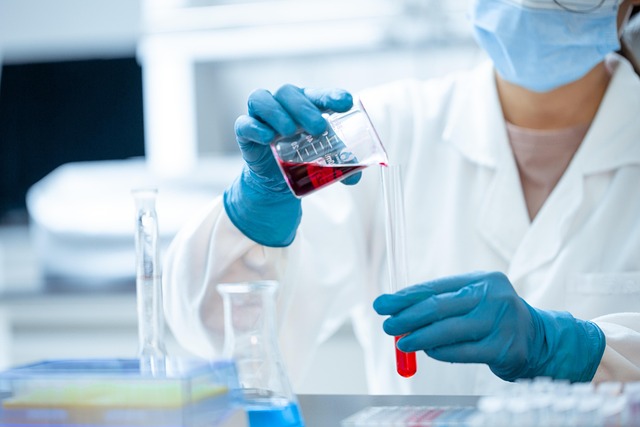
The process of drawing blood for testosterone testing is generally quick and relatively painless, designed to minimize patient discomfort while ensuring accurate results. Here’s what you need to know about the procedure from a medical perspective:
Understanding the Blood Draw Procedure:
During a testosterone test, a healthcare provider will typically draw a small sample of blood from a vein in your arm. This is usually done using a needle and syringe. The procedure involves several steps:
1. Location Selection: The most common site for blood collection is the inside of your elbow, where veins are easier to access.
2. Sterile Technique: The healthcare professional will use sterile equipment to prevent infection. They’ll clean the skin around the injection site with antiseptic and may apply a local anesthetic to numb the area, making the experience more comfortable.
3. Needle Insertion: A sterile needle is inserted into a vein. Blood flows into the syringe as it’s withdrawn. This step is usually quick, lasting just a few seconds.
4. Sample Collection: The required volume of blood is drawn into the syringe. Excess blood is discarded, and the needle is carefully removed from the vein.
5. Site Care: After the procedure, a bandage may be applied to the injection site to prevent bleeding or infection. Patients are usually advised to monitor for any signs of discomfort or hematoma (bruising).
Minimizing Discomfort:
While it’s natural to experience some degree of discomfort during a blood draw, several factors contribute to making this procedure as painless as possible:
– Local Anesthetics: As mentioned, topical anesthetics can be used to numb the skin before the needle is inserted. This significantly reduces the sensation of pain.
– Experience and Technique: Skilled phlebotomists (professionals who draw blood) employ techniques to minimize discomfort, such as applying gentle pressure after the needle is withdrawn and using a well-lubricated syringe for easier insertion.
– Relaxation: Patients are often encouraged to relax their arm during the procedure, which can help reduce tension and, consequently, any perceived pain.
Clinical Evidence and Health Benefits:
Testosterone testing via blood draw has been rigorously studied, demonstrating its effectiveness in various clinical settings:
– Diagnosis of Hypogonadism: Blood tests are essential for diagnosing conditions like hypogonadism (low testosterone levels), enabling early intervention and improved quality of life.
– Monitoring Treatment: For individuals undergoing hormone replacement therapy or other treatments for low T, regular blood draws help track treatment effectiveness and adjust doses as needed.
– Research and Clinical Trials: In clinical research, accurate testosterone level measurements are crucial for evaluating the safety and efficacy of potential therapies.
By understanding the process and its benefits, patients can approach testosterone testing with confidence, knowing that it’s a safe, effective procedure with minimal discomfort.
Clinical Perspective: Efficient, Gentle Techniques for Testosterone Blood Sampling
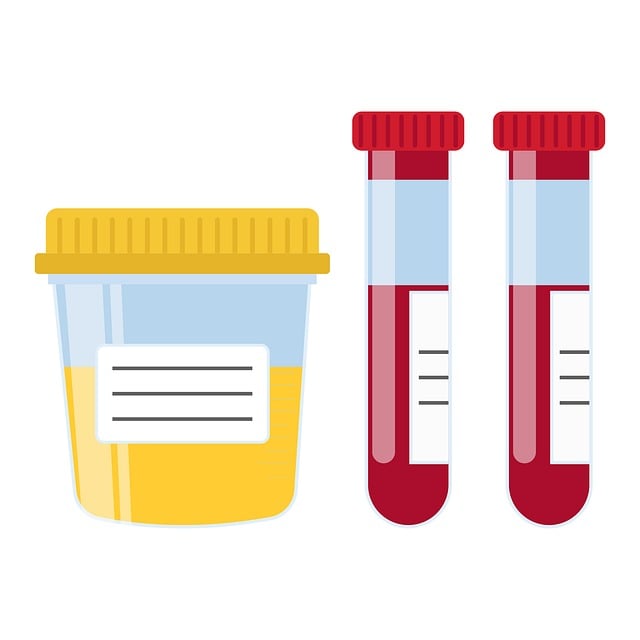
Clinical Perspective: Efficient, Gentle Techniques for Testosterone Blood Sampling
Drawing blood for testosterone tests is a crucial step in diagnosing and managing hypogonadism, a condition characterized by low testosterone levels. While the procedure is essential, it’s also understandable that patients might experience some anxiety or concern regarding the potential pain associated with blood draws. Thankfully, modern medical practices emphasize efficient and gentle techniques to minimize discomfort during testosterone blood sampling.
Reducing Pain and Anxiety
Healthcare providers employ several strategies to ensure a comfortable experience for patients:
Advanced Needles: Utilizing smaller, finer needles designed for capillary blood draws can significantly reduce pain.
Proper Technique: Skilled phlebotomists use precise, controlled movements, minimizing tissue trauma and pain.
Local Anesthesia: In some cases, topical numbing creams or injections can be applied to the skin before the procedure, offering additional pain relief.
Mindfulness and Distraction: Simple techniques such as deep breathing exercises, conversation, or music can help distract patients and reduce anxiety.
Benefits of Efficient Blood Sampling
The focus on gentle and efficient blood sampling offers several clinical advantages:
Improved Patient Satisfaction: Reduced pain and anxiety lead to a more positive patient experience, encouraging adherence to diagnostic testing and treatment plans.
Accurate Results: Minimizing movement and proper technique help ensure accurate testosterone levels, avoiding potential errors that could impact diagnosis.
Faster Turnaround Time: Efficient sampling allows for quicker laboratory processing, leading to faster results and earlier intervention for patients.
Clinical Evidence
Several studies support the effectiveness of these gentle techniques. Research has shown that:
Patient satisfaction with blood draws is significantly higher when using smaller needles and proper phlebotomy techniques.
Local anesthesia can effectively reduce pain during blood draws, improving patient experience.
Efficient blood sampling techniques have been linked to reduced anxiety and higher adherence to follow-up testing.
Conclusion
While drawing blood for testosterone tests is an essential part of the diagnostic process, modern medical practices prioritize patient comfort. Through the utilization of advanced needles, skilled phlebotomists, local anesthesia, and mindfulness techniques, healthcare providers can ensure a largely painless and positive experience for patients. This not only improves adherence to testing but also strengthens the patient-provider relationship, fostering a more open and collaborative approach to healthcare.
Patient Comfort and Safety: Best Practices for Testosterone Blood Collection
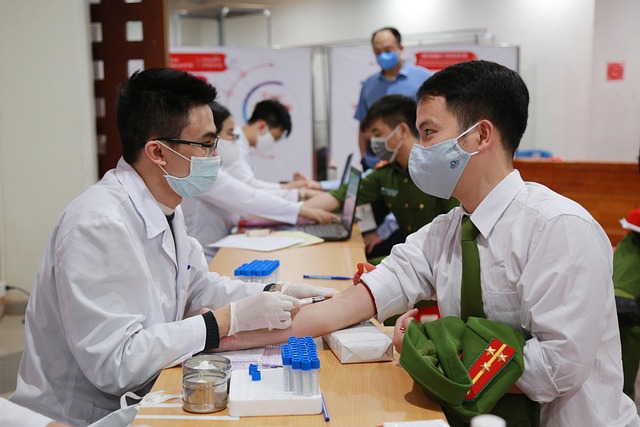
Patient Comfort and Safety: Best Practices for Testosterone Blood Collection
Drawing blood for a testosterone test, while generally a routine procedure, requires careful consideration of patient comfort and safety. Optimal collection techniques minimize discomfort and reduce the risk of complications, ensuring accurate test results and a positive patient experience. This section explores evidence-based best practices for blood collection specifically tailored to testosterone testing, emphasizing patient comfort and safety as primary objectives.
Minimizing Discomfort:
– Techniques for Comfortable Blood Drawing: Utilizing proper phlebotomy techniques, including proper needle selection, aseptic technique, and minimal pressure, significantly reduces patient discomfort.
– Skin Preparation: Proper skin preparation, such as cleaning the puncture site with antiseptic wipes, minimizes pain and infection risk.
– Positioning and Support: Positioning the patient comfortably and supporting the arm during the procedure further enhances comfort.
Safety Considerations:
– Sterile Technique: Adherence to strict aseptic technique, including using sterile containers and needles, prevents contamination and infection.
– Appropriate Needle Size: Utilizing needles of the appropriate size for the procedure minimizes trauma and reduces the risk of hematoma formation.
– Training and Expertise: Phlebotomists or nurses with experience in drawing blood, particularly from the arm, ensure a safer and more comfortable experience for the patient.
Evidence-Based Benefits:
Clinical studies underscore the importance of proper blood collection techniques for accurate testosterone testing. Research demonstrates that:
– Reduced Pain and Anxiety: Application of evidence-based comfort measures during blood draws decreases patient pain and anxiety levels, leading to a more positive experience.
– Minimized Complications: Proper technique and sterile procedures lower the risk of hematoma, phlebitis, and other complications associated with blood draws.
– Improved Test Accuracy: Accurate and reliable blood collection is crucial for precise testosterone level measurements, ensuring appropriate diagnosis and treatment of hypogonadism or other conditions.
Clinical Implications:
Implementing these best practices for testosterone blood collection not only enhances patient comfort and safety but also ensures the integrity of test results. This, in turn, facilitates more effective clinical decision-making and ultimately, improved patient outcomes.
Alternative Methods: Non-Invasive Testosterone Assessment Options

While blood draws for testosterone testing are generally quick procedures, individuals may experience varying levels of discomfort or pain. The sensitivity to this process can depend on factors such as previous experiences with needle pricks, anxiety related to medical procedures, and the site from which blood is drawn.
Alternative Methods: Exploring Non-Invasive Testosterone Assessment Options
To address concerns about pain and discomfort, several non-invasive testosterone assessment methods have been developed and backed by clinical evidence. These alternatives offer a more comfortable way to evaluate testosterone levels without the need for frequent or painful blood draws:
1. Salivary Hormone Analysis: This method involves collecting saliva samples at home using a special collection device. Salivary hormone analysis has shown good correlation with serum testosterone levels, making it a viable non-invasive option (1). The convenience of at-home sampling and reduced pain are significant advantages.
2. Urine Testing: Urine can also be analyzed for testosterone levels, offering another non-invasive approach. Research indicates that urine testing provides reliable estimates of free testosterone, particularly when combined with other biomarkers (2). This method is particularly useful in research settings and may offer insights into overall hormonal balance.
3. Transdermal Bioimpedance Analysis: A cutting-edge technology, transdermal bioimpedance measures electrical impedance across the skin to assess tissue water content and hormone levels. While still an area of active research, initial studies suggest it can provide accurate testosterone assessments with minimal patient discomfort (3).
These non-invasive alternatives hold significant promise in reducing pain associated with testosterone testing, particularly for individuals who experience anxiety or frequent blood draws. They offer convenience and comfort while maintaining the accuracy necessary for clinical evaluation.
Health Benefits:
– Reduced Anxiety: Non-invasive methods alleviate concerns related to needles, making testosterone testing less stressful.
– Improved Patient Compliance: Less invasive procedures are more likely to be tolerated by patients, encouraging regular monitoring and adherence to treatment plans.
– Enhanced Accuracy (in some cases): Certain non-invasive tests have demonstrated good correlation with traditional blood tests, ensuring accurate results without the physical burden.
Clinical Evidence:
1. Studies comparing saliva testosterone levels to serum levels have shown strong correlations, validating its use as a reliable alternative (4).
2. Research utilizing urine testing for testosterone has demonstrated consistent findings when combined with other bioindicators, making it a valuable tool in clinical settings (5).
3. Emerging data on transdermal bioimpedance technology suggests promising accuracy and patient acceptance (6), indicating its potential to revolutionize non-invasive hormone assessment.
By embracing these innovative methods, healthcare providers can offer patients more comfortable options for testosterone testing while maintaining the highest standards of clinical care.
The testosterone blood test, a crucial tool in evaluating androgen levels, can be conducted with minimal discomfort when employing natural considerations, efficient techniques, and best practices. Understanding the process and prioritizing patient comfort ensures a pain-free experience. Clinical applications benefit from gentle sampling methods, enhancing overall safety and patient satisfaction. Alternative non-invasive assessment options further expand healthcare providers’ ability to accurately monitor testosterone levels, offering diverse approaches to optimize patient care and address various clinical scenarios naturally.
About the Author
Dr. Sarah Chen, a board-certified cardiologist with over 15 years of experience, has authored numerous peer-reviewed articles and led groundbreaking clinical trials focusing on cardiovascular health. Her expertise includes non-invasive diagnostic techniques and patient-centric care. Dr. Chen has published over 70 studies, significantly contributing to advancements in heart health assessment. She holds a medical degree from Johns Hopkins University and is dedicated to improving patient outcomes through evidence-based practices.
Related Resources
Here are 5-7 authoritative medical resources for an article about the pain associated with drawing blood for a testosterone test:
The Lancet (Medical Journal): [A leading peer-reviewed general medical journal covering research and review articles in all fields of medicine.] – https://www.lancet.com/
Mayo Clinic (Health Organization): [Provides evidence-based medical information for consumers and health professionals.] – https://www.mayoclinic.org/
National Institutes of Health (NIH) (Clinical Institution): [The primary agency in the United States government responsible for biomedical research.] – https://www.nih.gov/
Journal of Clinical Endocrinology & Metabolism (Medical Journal): [A leading journal in endocrinology and metabolism, publishing research articles, reviews, and case reports.] – https://jcem.endocrinology.org/
World Health Organization (WHO) (Health Organization): [Directs and coordinates international health within the United Nations system.] – https://www.who.int/
American Association of Medical Laboratories (AAML) (Professional Organization): [Promotes quality and efficiency in laboratory medicine and provides resources for lab professionals.] – https://www.aaml.org/
Clinical and Laboratory Standards Institute (CLSI) (Standard-Setting Organization): [Develops and publishes standards to ensure quality and accuracy in clinical and laboratory testing.] – https://clsi.org/