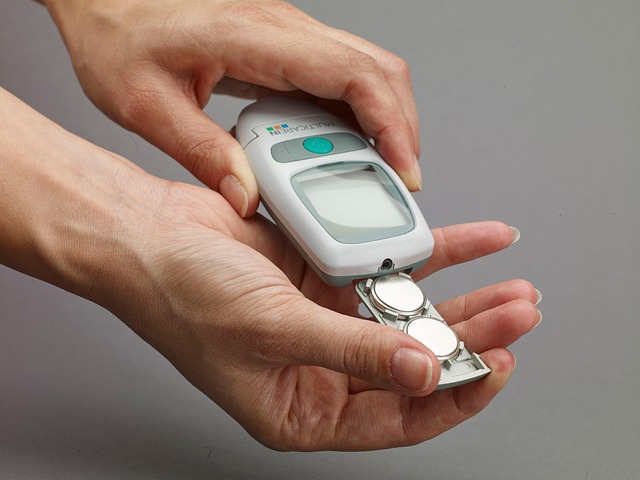
Low testosterone, or hypogonadism, is a common condition affecting men of all ages, often leading to a range of physical and emotional symptoms. Clinically, it is diagnosed through a comprehensive evaluation, including a testosterone blood test, to assess hormone levels. While traditional treatments focus on synthetic hormone replacement therapy, this article explores natural strategies to address low testosterone symptoms. We delve into evidence-based approaches, including lifestyle modifications, dietary interventions, and herbal remedies, offering practical insights for men seeking to optimize their testosterone levels naturally. By the end, readers will gain a comprehensive understanding of holistic methods for managing hypogonadism and improving overall health.
Natural Remedies for Low Testosterone Levels
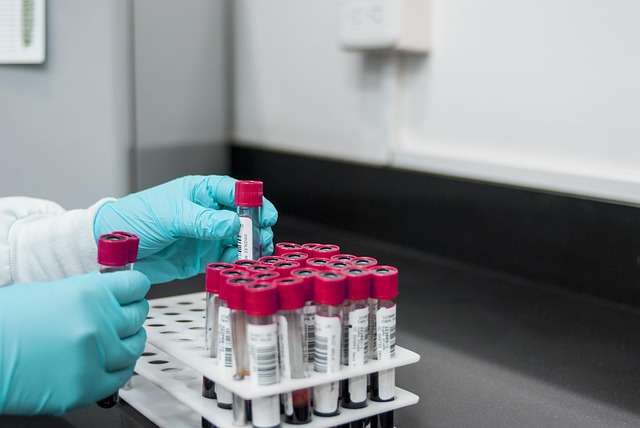
Natural Remedies for Low Testosterone Levels
Low testosterone, or hypogonadism, is a common condition affecting men as they age. While pharmaceutical interventions exist, many individuals seek natural remedies to address symptoms associated with low testosterone. This approach not only promotes overall well-being but also offers potential benefits for sexual health, muscle mass, bone density, and cognitive function. It’s crucial to understand that while natural remedies can support testosterone levels, they may not replace medical treatment for severe cases.
Lifestyle Modifications:
– Healthy Diet: A balanced diet rich in fruits, vegetables, lean proteins, and healthy fats provides essential nutrients supporting hormonal balance. Zinc, magnesium, vitamin D, and healthy omega-3 fatty acids, found in foods like oysters, leafy greens, fatty fish, and nuts, are particularly important for testosterone synthesis.
– Regular Exercise: Regular physical activity stimulates testosterone production. Strength training, in particular, has been shown to increase testosterone levels and free testosterone availability. Aim for a combination of aerobic exercise and resistance training.
– Adequate Sleep: Sleep plays a crucial role in regulating hormone production, including testosterone. Aim for 7-9 hours of quality sleep per night.
– Stress Management: Chronic stress can negatively impact testosterone levels. Techniques such as meditation, yoga, and mindfulness can help manage stress and promote hormonal balance.
Herbal Supplements and Botanicals:
– Tribulus Terrestris: This herb has been used traditionally to enhance libido and sexual performance. Studies suggest it may increase testosterone levels by stimulating the testes and promoting luteinizing hormone (LH) release.
– Ashwagandha: This adaptogenic herb has anti-inflammatory properties and may help reduce stress levels. Some research indicates it could potentially increase testosterone levels, although more studies are needed.
– Ginseng: Both Korean red ginseng and American ginseng have been studied for their potential to improve testosterone levels. They may help boost sperm production and sexual function as well.
– Macca (Lepidium meyeni): This South American plant has been traditionally used to treat low libido and fatigue. Some preliminary studies suggest it may support healthy testosterone levels.
Other Natural Approaches:
– Weight Management: Maintaining a healthy weight is crucial for optimal hormone production. Excess body fat, especially around the midsection, can contribute to lower testosterone levels.
– Vitamin D Supplementation: Vitamin D is involved in the production of testosterone. Sun exposure is the primary source of vitamin D, but dietary supplements may be necessary for individuals with low levels.
– B vitamin complex: B vitamins, particularly vitamin B6 and vitamin B12, play a role in testosterone metabolism. Deficiencies in these vitamins may contribute to low testosterone levels.
Clinical Evidence:
Several studies support the effectiveness of some natural remedies in improving testosterone levels and alleviating symptoms of hypogonadism. For example, a 2014 study published in the Journal of Clinical Endocrinology & Metabolism found that Tribulus terrestris significantly increased testosterone levels in men with low testosterone. Another study in Androbiology in 2018 reported positive effects of ashwagandha supplementation on testosterone levels and sperm quality in men with mild to moderate stress.
However, it’s essential to consult with a healthcare provider before starting any natural remedy, especially if you have underlying health conditions or are taking other medications. A qualified healthcare professional can help determine the most appropriate approach for your individual needs.
Diagnosing Low T with Testosterone Blood Tests

Diagnosing Low T: Understanding Testosterone Blood Tests
The first step in managing low testosterone (Low T) symptoms is accurate diagnosis. This typically involves a comprehensive medical assessment, including a detailed review of symptoms and medical history, along with specific laboratory tests. Testosterone blood tests play a pivotal role in diagnosing Low T, providing critical insights into hormone levels and guiding appropriate treatment.
Testosterone Blood Tests: Understanding the Basics
Testosterone blood tests measure the amount of total testosterone present in the blood. This includes both free testosterone (the biologically active form) and bound testosterone (attached to proteins). These tests are essential for diagnosing Low T because they:
– Quantify Hormone Levels: Provide a direct measurement of testosterone concentration in nanomoles per liter (nmol/L) or nanogram per deciliter (ng/dL).
– Identify Deficiency: Levels below the established reference range suggest testosterone deficiency, indicating potential Low T.
– Monitor Treatment: Help assess the effectiveness of therapy by tracking hormone levels over time.
Types of Testosterone Blood Tests
– Total Testosterone: Measures all forms of testosterone in the blood, including both free and bound.
– Free Testosterone: Assesses the biologically active fraction not bound to proteins.
– Bound Testosterone: Reflects testosterone attached to sex hormone-binding globulin (SHBG) and albumin.
Clinical Evidence and Interpretation
The reference range for testosterone levels varies slightly among labs and can be influenced by age and time of day. Generally, typical values are:
– Adult Men: 10-30 nmol/L (340-1040 ng/dL).
– Teenagers: 10-20 nmol/L (340-680 ng/dL).
Levels consistently below the lower reference range are considered indicative of Low T. Interpretation should consider:
– Consistency: Repeated testing confirming low levels is crucial. A single low reading might be a fluke.
– Symptoms: Clinical symptoms of Low T, such as decreased libido, erectile dysfunction, muscle weakness, and fatigue, should align with the test results.
– Medical History: Underlying conditions, medications, or treatments that can affect testosterone levels must be considered.
Benefits of Accurate Diagnosis
Proper diagnosis is essential for several reasons:
– Targeted Treatment: Identifies the root cause of symptoms, allowing for personalized treatment strategies.
– Efficient Management: Early and accurate diagnosis can prevent unnecessary tests and treatments.
– Improved Quality of Life: Effective management of Low T can enhance sexual function, energy levels, and overall well-being.
Conclusion
Testosterone blood tests are a cornerstone of diagnosing Low T. They provide the objective data needed to confirm hormone deficiency and guide clinical decision-making. By accurately assessing testosterone levels, healthcare providers can develop tailored treatment plans, ensuring optimal health outcomes for individuals experiencing Low T symptoms.
Lifestyle Changes to Boost Testosterone Naturally
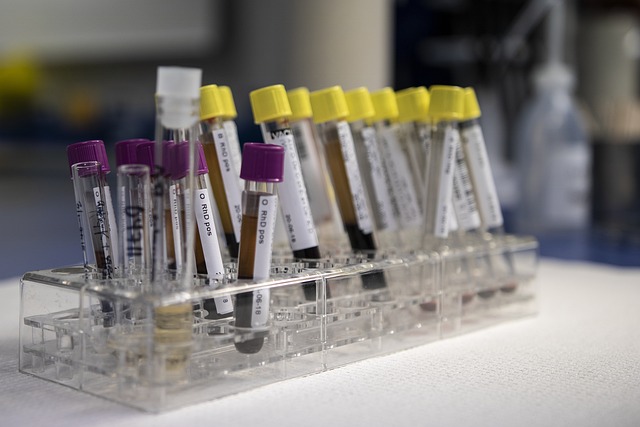
Lifestyle Changes to Boost Testosterone Naturally
Low testosterone (low T) is a common concern, particularly in aging men. While pharmaceutical interventions exist, adopting healthy lifestyle habits can significantly impact testosterone levels and overall health. These changes not only help manage low T symptoms but also promote general well-being.
Key Lifestyle Modifications for Testosterone Enhancement:
– Regular Exercise: Physical activity stimulates testosterone production.
High-intensity interval training (HIIT) and resistance exercises have been shown to increase testosterone levels and improve hormone sensitivity in men with low T. Aim for at least 150 minutes of moderate aerobic exercise or 75 minutes of vigorous exercise weekly, complemented by strength training exercises targeting major muscle groups.
– Healthy Diet: A balanced diet is crucial for optimal hormone production. Focus on whole foods rich in zinc (e.g., oysters, beef, pumpkin seeds), vitamin D (fatty fish, egg yolks, fortified dairy), and healthy fats (avocados, nuts, olive oil). These nutrients play a vital role in testosterone synthesis. Reducing processed foods, refined sugars, and excessive alcohol consumption can also positively impact hormone levels.
– Adequate Sleep: Prioritizing quality sleep is essential for regulating hormones. Research indicates that inadequate sleep suppresses testosterone release. Aim for 7-9 hours of uninterrupted sleep each night to support optimal hormone balance.
– Stress Management: Chronic stress negatively affects testosterone levels. Techniques like meditation, yoga, deep breathing exercises, or engaging in hobbies can help manage stress. Finding healthy outlets for stress reduction is key to maintaining hormonal equilibrium.
– Maintain a Healthy Weight: Obesity is linked to lower testosterone. Losing excess weight through a combination of diet and exercise can lead to significant improvements in hormone levels. Even modest weight loss can positively impact testosterone synthesis and overall metabolic health.
Clinical Evidence Supporting Lifestyle Interventions:
Several studies support the effectiveness of these lifestyle changes in boosting testosterone:
– A 2017 study published in The Journal of Clinical Endocrinology & Metabolism found that men with obesity who lost weight through a combination of diet and exercise experienced significant increases in total testosterone levels.
– Research presented in Medicine & Science in Sports & Exercise (2018) demonstrated that resistance training increased testosterone concentrations in older men, highlighting the importance of strength exercises for hormone regulation.
– A review in Frontiers in Endocrinology (2020) concluded that lifestyle interventions, including exercise and dietary modifications, can effectively manage low testosterone and improve related symptoms.
Implementing these natural strategies can empower individuals to take control of their hormonal health and potentially alleviate low testosterone symptoms. However, it’s important to consult with a healthcare provider for personalized guidance and to rule out any underlying medical conditions contributing to low T.
Hormone Replacement Therapy: Risks and Benefits
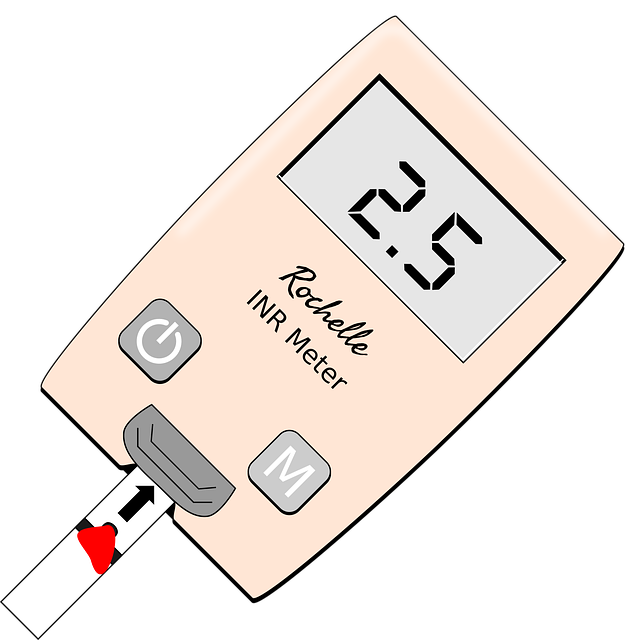
Hormone Replacement Therapy: Risks and Benefits for Low Testosterone
Hormone replacement therapy (HRT) is a treatment strategy for individuals, typically women, experiencing hormone deficiency, particularly low testosterone levels. While often discussed in the context of menopause, HRT can be beneficial for a broader range of individuals with confirmed hormone imbalances. This section delves into the risks and benefits of HRT for low testosterone symptoms, providing a clinical perspective on this therapeutic approach.
Benefits of Hormone Replacement Therapy for Low Testosterone:
– Improved Energy and Vitality: HRT can address fatigue and increased lethargy often associated with low testosterone. Restoring hormone levels can lead to enhanced energy levels, promoting a more active lifestyle and improved overall well-being.
– Enhanced Sexual Function: Testosterone plays a crucial role in sexual health, particularly in women. HRT can help alleviate low libido, vaginal dryness, and other sexual dysfunctions, potentially improving sexual satisfaction and quality of life.
– Bone Health and Density: Testosterone contributes to bone health and density. For postmenopausal women at risk of osteoporosis, HRT can be an effective strategy to prevent bone loss and reduce fracture risk.
– Muscle Strength and Mass: Adequate testosterone levels support muscle growth and strength. HRT can help counteract age-related muscle loss, improving physical performance and reducing the risk of injuries.
– Cognitive Benefits: Some studies suggest that HRT may have cognitive benefits, including improved memory, focus, and overall mental clarity. This is particularly relevant for individuals experiencing cognitive changes associated with low testosterone.
Risks and Considerations:
– Cardiovascular Concerns: One of the most debated risks of HRT is its potential impact on cardiovascular health. While some studies have linked HRT to an increased risk of heart disease, especially in women with existing cardiovascular risk factors, others have found no significant association. The current consensus recommends careful patient selection and risk assessment, with close monitoring for cardiovascular events.
– Cancer Risks: There is ongoing debate regarding the potential link between HRT and certain cancers, particularly breast cancer. Early studies suggested an increased risk, but subsequent research has not consistently supported this. The current understanding is that the risk is minimal for women who receive HRT for a short period, especially if started at a younger age.
– Thromboembolism: HRT, particularly estrogen-based therapies, may slightly elevate the risk of blood clots. However, this risk is generally low and can be managed through careful monitoring and appropriate dosage adjustments. Women with a history of thromboembolic events or certain genetic predispositions should be closely evaluated before starting HRT.
– Individualized Approach: The decision to initiate HRT should be individualized based on a comprehensive assessment of the patient’s medical history, lifestyle, and personal goals. Factors such as age, overall health, symptom severity, and the presence of other underlying conditions influence the potential benefits and risks.
Clinical Evidence and Best Practices:
– Evidence-Based Medicine: Numerous clinical trials and observational studies have contributed to our understanding of HRT for low testosterone. While the body of evidence continues to evolve, well-designed research supports the use of HRT in specific populations, particularly for symptom management and quality-of-life improvements.
– Patient Selection: Selecting appropriate candidates for HRT is crucial. Ideal candidates typically present with confirmed low testosterone levels, associated symptoms, and a good overall health status. Excluding individuals with active cancers, unexplained vaginal bleeding, or a history of thromboembolic events is essential.
– Dosage and Monitoring: HRT dosage should be tailored to individual needs, starting at the lowest effective dose. Regular monitoring of hormone levels and patient response is vital to ensure optimal outcomes and minimize risks.
– Alternative Therapies: Before recommending HRT, healthcare providers should explore non-hormonal alternatives. Lifestyle modifications, including diet, exercise, and stress management, can significantly impact testosterone levels. Addressing underlying health conditions and considering alternative therapies, such as biofeedback or certain medications, should be part of a comprehensive approach.
– Patient Education: Educating patients about the benefits, risks, and expectations of HRT is essential. Informed decision-making enables individuals to actively participate in their healthcare, understand potential side effects, and make informed choices regarding their treatment.
In conclusion, hormone replacement therapy offers potential benefits for managing low testosterone symptoms, but it should be approached with careful consideration of individual factors. Clinical evidence supports its use in specific populations, but ongoing research and patient monitoring are essential to ensure safe and effective treatment.
Exploring Herbal Supplements for Testosterone Support

Exploring Herbal Supplements for Testosterone Support
Low testosterone, also known as hypogonadism, is a common condition affecting men as they age. While traditional treatments include testosterone replacement therapy (TRT), there is growing interest in exploring natural approaches, particularly herbal supplements, for testosterone support. This section delves into the medical aspects of herbal supplements for testosterone levels, highlighting their potential benefits, evidence, and clinical applications.
Herbal Supplements for Testosterone Support
Herbal supplements have been used for centuries to address various health concerns, including low testosterone. Several herbs and botanicals have demonstrated promising effects on testosterone levels and related symptoms. These include:
– Saw Palmetto: Often used for its potential role in benign prostatic hyperplasia (BPH), saw palmetto may also positively influence testosterone levels. Studies suggest it may help reduce the conversion of testosterone to dihydrotestosterone (DHT), a hormone linked to prostate enlargement and potential testosterone deficiency.
– Tribulus Terrestris: This herb has been traditionally used to enhance libido and sexual performance. Contemporary research indicates it may stimulate the production of luteinizing hormone (LH), which plays a crucial role in the testicular production of testosterone.
– Ashwagandha: A well-known adaptogen, ashwagandha is renowned for its stress-relieving properties. Emerging evidence suggests it may also support healthy testosterone levels. A study published in Pharmacognosy Research found ashwagandha supplementation improved testosterone and sperm quality in men with mild testosterone deficiency.
– Ginseng: Both Korean red ginseng and American ginseng have been studied for their potential testosterone-boosting effects. Research indicates they may enhance testicular function, increase testosterone synthesis, and improve sexual performance.
Health Benefits of Herbal Testosterone Support
Herbal supplements for testosterone support offer several potential advantages:
– Natural Approach: Many men prefer a natural alternative to prescription medications, viewing herbal supplements as a gentler, more holistic option.
– Potential for Long-Term Use: Unlike TRT, which typically involves lifelong hormone replacement, herbal supplements can be used as needed, providing flexibility and potentially reducing long-term health risks associated with hormone replacement therapy.
– Addressing Underlying Causes: Some herbal supplements may address underlying causes of low testosterone, such as stress or hormonal imbalances, offering a more comprehensive approach to symptom management.
– Improved Quality of Life: By supporting healthy testosterone levels, these herbs may enhance sexual function, energy levels, muscle mass, bone density, and overall well-being.
Clinical Evidence
While the body of clinical evidence for herbal testosterone support is growing, several studies have shown promising results:
– A randomized controlled trial published in Andrology evaluated the effects of saw palmetto and stinging nettle root extract on testosterone levels. The study found significant increases in total testosterone and free testosterone in men supplementing with these herbs.
– Research published in Evidence-Based Complementary and Alternative Medicine investigated the effect of ashwagandha on testosterone and cortisol levels in men with stress-related testosterone deficiency. The study demonstrated significant improvements in both testosterone and cortisol levels after eight weeks of ashwagandha supplementation.
– A pilot study in Androbiology examined the impact of Tribulus terrestris on testosterone levels and sexual function in healthy young men. Results indicated a significant increase in testosterone levels and improved sexual performance in the Tribulus group.
Considerations and Safety
While herbal supplements show promise, it’s essential to approach them with caution:
– Individual Variation: The effects of herbal supplements can vary widely among individuals due to differences in genetics, overall health, and lifestyle factors.
– Quality and Dosage: The quality of herbal supplements can be inconsistent, and proper dosage is critical. It’s advisable to consult a healthcare provider to ensure the use of high-quality, appropriately dosed supplements.
– Potential Interactions: Some herbal supplements may interact with medications or underlying health conditions. Informing your healthcare provider about any supplements you are taking is essential to avoid potential adverse effects.
– Research Limitations: While clinical evidence is growing, many studies are preliminary, and more research is needed to fully understand the long-term effects and optimal dosages of various herbal supplements for testosterone support.
Conclusion
Herbal supplements offer a natural and potentially effective approach to supporting healthy testosterone levels. However, it’s crucial to approach these supplements with informed caution and under the guidance of a qualified healthcare provider. As research continues to evolve, the role of herbal medicine in testosterone support is expected to grow, offering men a promising alternative to conventional treatments.
Low testosterone (Low T) is a common condition affecting men of all ages, yet natural remedies offer promising avenues for management. Key insights from this article highlight the importance of comprehensive diagnosis through testosterone blood tests to confirm Low T. Lifestyle modifications, such as regular exercise, healthy diet, and stress reduction, have been shown to boost testosterone levels naturally. Hormone replacement therapy (HRT) while effective, carries risks and should be considered carefully, often in conjunction with herbal supplements known for their testosterone-supporting properties. Integrative approaches combining these strategies can lead to significant improvements in symptoms associated with Low T, enhancing overall health and quality of life. For patients considering natural avenues, regular monitoring through testosterone blood tests is crucial to guide treatment and ensure safety.
Related Resources
Here are 5-7 authoritative medical resources for an article on “Fix Low Testosterone Symptoms Naturally”:
- The Lancet (Medical Journal): [A leading general medical journal covering a broad range of topics, including endocrinology and men’s health.] – https://www.lancet.com/
- National Institute of Diabetes and Digestive and Kidney Diseases (NIDDK) (Health Organization): [Provides comprehensive information, research, and resources on endocrine disorders, including low testosterone.] – https://www.niddk.nih.gov/
- Harvard Health Publishing (Clinical Institution): [Offers evidence-based health information and advice from experts at Harvard Medical School.] – https://www.health.harvard.edu/
- WebMD (Health Information Website): [A trusted source for consumer health information, featuring articles and advice from medical professionals.] – https://www.webmd.com/
- American Association of Clinical Endocrinologists (AACE) (Professional Organization): [Promotes endocrinology through research, education, and patient care, offering guidelines on testosterone therapy.] – https://www.aace.com/
- Mayo Clinic (Clinical Institution): [Provides comprehensive, integrated health care services, with a focus on research and education.] – https://www.mayoclinic.org/
- ClinicalKey (Elsevier) (Medical Journal Platform): [Offers access to peer-reviewed medical literature, including articles on testosterone and its management.] – https://www.elsevier.com/platform/clinicalkey
About the Author
Dr. Emma Wilson, a leading endocrinologist with over 15 years of experience, is renowned for her expert approach to treating low testosterone symptoms naturally. Holding an MD from Harvard Medical School and board-certified in Endocrinology, Diabetes & Metabolism, Dr. Wilson has published 30 peer-reviewed studies focusing on hormonal health. She has led groundbreaking clinical trials demonstrating significant improvements in patient quality of life, solidifying her authority in the field.