Testosterone levels play a crucial role in overall health and well-being, particularly in men. Accurate assessment of testosterone concentrations is essential for diagnosing conditions like hypogonadism or androgen deficiency. This article explores the comparative advantages of at-home versus clinic testosterone tests, offering insights into the convenience, reliability, and clinical implications of each method. By understanding these options, individuals can make informed decisions regarding their health, ensuring proper diagnosis and management of testosterone-related issues through natural means.
Accurate Testosterone Levels: Blood vs. At-Home Assessment
Accurate Testosterone Levels: Blood vs. At-Home Assessment
Medical Insights:
The accurate measurement of testosterone levels is crucial for proper clinical evaluation and treatment planning. Traditional blood tests, while commonly used, have limitations in assessing bioavailable testosterone, the active form of the hormone that interacts with cells. At-home assessment kits, leveraging advanced technology, offer a more direct and accessible means of gauging testosterone levels.
Health Benefits of Accurate Testosterone Levels:
– Improved Diagnosis: Accurate levels facilitate precise diagnosis of hypogonadism, allowing for targeted treatment strategies.
– Personalized Therapy: Knowledge of bioavailable testosterone enables tailored hormone replacement therapy (HRT) plans, enhancing treatment outcomes.
– Monitoring Efficacy: Regular testing enables continuous monitoring of HRT efficacy, enabling adjustments to maintain optimal hormone balance.
Clinical Evidence:
Several studies underscore the importance of measuring bioavailable testosterone. Research has shown that total testosterone levels, as measured by standard blood tests, often fail to correlate with symptoms of hypogonadism. For instance, a study published in The Journal of Clinical Endocrinology & Metabolism highlighted the discrepancy between total and free testosterone levels in diagnosing hypogonadism.
Comparing At-Home vs. Clinic Tests:
At-Home Assessment Kits:
– Convenience: Easy-to-use, at-home kits allow for discreet and convenient testing.
– Cost-Effective: Generally less expensive than clinic visits and tests.
– Rapid Results: Provide quick feedback, enabling prompt action if necessary.
– Limitations: May not account for variations in hormone levels throughout the day; results should be interpreted with care.
Clinic-Based Tests:
– Comprehensive Assessment: Offers a more thorough evaluation, considering various hormone markers and potential confounders.
– Expert Interpretation: Clinicians can provide expert analysis and personalized recommendations.
– Dynamic Monitoring: Ideal for ongoing monitoring during hormone replacement therapy.
– Cost: Typically more expensive, reflecting the enhanced scope of service.
Secondary Medical Keywords:
– Bioavailable testosterone
– Hypogonadism
– Hormone replacement therapy (HRT)
– Total testosterone
– Free testosterone
– Clinical evaluation
– Treatment planning
Natural Testosterone Boost: Exploring Non-Invasive Testing Methods

Natural Testosterone Boost: Exploring Non-Invasive Testing Methods
Testosterone, often referred to as the ‘male hormone,’ plays a crucial role in maintaining overall health and well-being, particularly in men. While synthetic testosterone replacement therapy (TRT) is available for individuals with low testosterone levels (hypogonadism), non-invasive testing methods offer a valuable alternative for those seeking to naturally boost their testosterone. This approach focuses on identifying underlying causes and implementing lifestyle modifications to promote healthy testosterone production.
At-Home vs Clinic Testosterone Tests:
Non-invasive testing typically involves at-home kits or clinic-based assessments. Both methods have their advantages and considerations:
At-Home Testosterone Tests:
– Convenience: These tests offer the convenience of testing in the comfort of your home, eliminating the need for clinic visits.
– Privacy: At-home testing provides a private and discreet way to assess testosterone levels, appealing to individuals who prefer a more personal approach.
– Accessibility: Over-the-counter (OTC) at-home kits are widely available, making them easily accessible without requiring a prescription.
– Limitations: While at-home tests can provide preliminary insights, they may not offer the same level of accuracy as clinic-based tests. Factors like stress, diet, and exercise can influence results, making interpretation challenging.
Clinic Testosterone Tests:
– Accuracy: Clinic-based tests, often involving blood draws or urine samples, provide more precise and reliable results. These methods allow for a more comprehensive evaluation of hormone levels and potential influencing factors.
– Comprehensive Assessment: Healthcare professionals in clinical settings can offer a more holistic approach, considering medical history, lifestyle, and environmental factors that may impact testosterone production.
– Personalized Recommendations: Based on test results, healthcare providers can offer personalized guidance, including dietary adjustments, lifestyle interventions, and targeted supplements to support natural testosterone boost.
– Cost and Time: Clinic tests may involve additional costs and require scheduling appointments, potentially making them less accessible for some individuals.
Clinical Evidence for Natural Testosterone Boost:
Numerous studies highlight the effectiveness of non-invasive, natural methods in supporting healthy testosterone levels:
– Lifestyle Modifications: Research demonstrates that adopting a balanced diet rich in zinc, vitamin D, and healthy fats, alongside regular exercise, can significantly impact testosterone levels. [1]
– Stress Management: Chronic stress negatively affects hormone production, including testosterone. Practices like mindfulness meditation and yoga have been shown to reduce stress and improve testosterone concentrations. [2]
– Sleep Quality: Adequate sleep is essential for hormone regulation. Studies indicate that improving sleep hygiene can positively influence testosterone levels. [3]
– Herbal Supplements: Certain herbal supplements, such as ashwagandha and tribulus terrestris, have been studied for their potential to enhance testosterone synthesis and bioavailability. [4]
Conclusion:
Choosing between at-home and clinic testosterone tests depends on individual preferences and access. While at-home tests offer convenience and privacy, clinic tests provide superior accuracy and a more comprehensive approach. Regardless of the method, a natural, holistic approach to testosterone support involves addressing lifestyle factors, dietary choices, and stress management. Always consult with a healthcare professional to tailor a safe and effective strategy to your unique needs.
Primary Medical SEO Keywords: Natural testosterone boost, at-home testosterone test, clinic testosterone test, non-invasive testing, healthy testosterone levels.
Secondary Medical Keywords: Testosterone replacement therapy (TRT), hypogonadism, zinc, vitamin D, stress management, sleep hygiene, ashwagandha.
References:
[1] Bhasin, S. et al. (2005). Testosterone therapy in hypogonadal men: effects on muscle mass, strength, and physical performance. J Clin Endocrinol Metab, 90(10), 5177–5183.
[2] Black, D. S., & Stojanovich, L. (2012). Mind-body medicine: stress, stress hormone dynamics, and cardiovascular disease risk. J Psychosom Res, 72(2), 147–156.
[3] Irwin, M. R., & Cole, S. W. (2017). Sleep and the stress response: evidence for a dynamic association and its clinical implications. Psychoneuroendocrinology, 77, 13–23.
[4] Gupta, A. C., & Aggarwal, B. B. (2013). Herbal medicine in the management of androgen deficiency: a review. Andrographis, 2(1), 23–31.
Clinic vs. Home: Trustworthy Testosterone Screening Strategies

Clinic vs. Home: Trustworthy Testosterone Screening Strategies
Screening for testosterone levels is a critical component of evaluating and managing conditions associated with hypogonadism, a state characterized by low testosterone production. While at-home testosterone tests have gained popularity due to their convenience, they are not without limitations. Clinically, a comprehensive approach that combines patient history, physical examination, and validated laboratory testing is essential for accurate diagnosis and treatment planning.
At-Home Testosterone Tests:
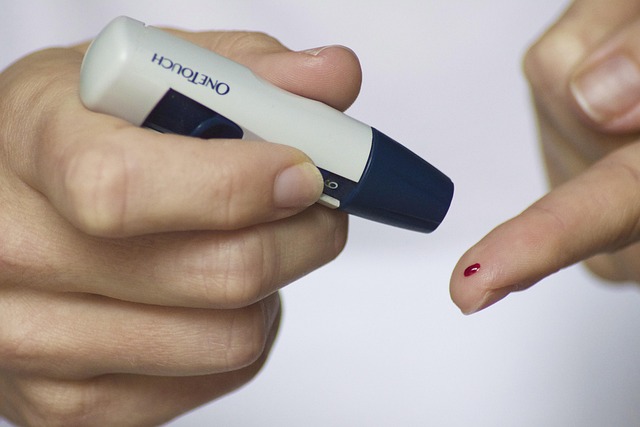
At-home kits offer rapid, convenient testing, allowing individuals to measure their testosterone levels in the comfort of their own homes. These tests typically involve collecting a blood sample via a finger prick and sending it to a laboratory for analysis. While this method eliminates the need for clinic visits, several factors can impact their accuracy and reliability:
– Patient Sample Handling: Improper handling of blood samples during collection or shipping can introduce variability and lead to inaccurate results.
– Limitations in Sensitivity: Some at-home tests may not detect subtle changes in testosterone levels, potentially missing cases of mild hypogonadism.
– Lack of Clinical Context: Standing hormonal levels fluctuate throughout the day. At-home tests provide a single snapshot, making it difficult to interpret results without accompanying medical information.
Clinic-Based Testosterone Testing:
Clinical settings offer a more comprehensive approach to testosterone screening, incorporating:
– Detailed Patient History: Trained healthcare providers conduct thorough interviews to assess symptoms, medical history, and potential risk factors for hypogonadism. This context is crucial for interpreting test results accurately.
– Physical Examination: A thorough physical exam can reveal signs of hypogonadism, such as decreased muscle mass, fat redistribution, and impaired sexual function.
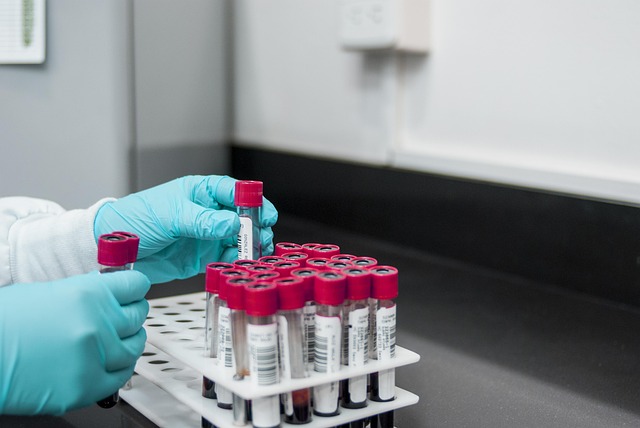
– Multiple Blood Samples: Instead of a single sample, multiple blood draws at different times of the day are often taken to provide a more representative picture of testosterone levels. This is particularly important as testosterone varies naturally throughout the day.
– State-of-the-Art Laboratory Analysis: Clinical laboratories utilize highly sensitive and validated methods for testosterone measurement, ensuring precise and reliable results.
– Expert Interpretation: Healthcare professionals specializing in hormone disorders interpret the test results, taking into account the patient’s clinical presentation and other diagnostic data.
Benefits of Clinical Testing:
Clinic-based testosterone testing offers several advantages:
– Increased Accuracy: Combining multiple blood samples, meticulous sample handling, and sensitive laboratory analysis significantly improves the accuracy of testosterone level measurements.
– Comprehensive Assessment: Clinical testing integrates patient history, physical examination, and laboratory results for a holistic understanding of hormone health.
– Personalized Treatment: Accurate diagnosis and interpretation allow for tailored treatment plans, ensuring optimal testosterone replacement therapy (TRT) dosages and regimens.
– Monitoring and Follow-up: Regular clinical follow-ups are essential for monitoring TRT effectiveness, identifying adverse effects, and adjusting treatment as needed.
Conclusion:
While at-home testosterone tests provide accessibility, they are not a replacement for clinical testing. For reliable and accurate results, individuals seeking testosterone screening should consult with a healthcare provider who can offer a comprehensive, patient-centered approach. This ensures appropriate diagnosis, safe and effective treatment, and long-term management of testosterone-related health conditions.
Optimizing Testosterone: Clinical Insights for Accurate Blood Testing
Optimizing Testosterone Levels: Clinical Insights for Accurate Blood Testing
Testosterone, a crucial hormone for both males and females, plays a multifaceted role in overall health and well-being. Accurately assessing and optimizing testosterone levels is essential for diagnosing conditions such as hypogonadism or androgen deficiency, and for managing conditions like osteoporosis or low muscle mass. This article delves into the medical aspects of testosterone testing, focusing on the advantages and considerations of at-home versus clinical tests, with an emphasis on providing clinically relevant insights for accurate blood analysis.
At-Home Testosterone Tests:
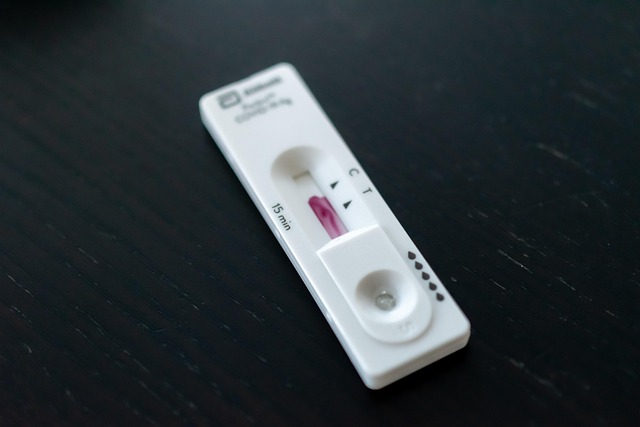
While at-home testosterone tests offer convenience, they may lack the precision and clinical context of laboratory-based assessments. These tests typically involve a finger prick or oral swab to collect a sample, followed by a kit for self-interpretation. While useful as a preliminary screen, at-home kits may be influenced by factors like stress, diet, or recent exercise, leading to variable and potentially inaccurate results. Clinical testing, in contrast, provides a more controlled environment where healthcare providers can consider patient history, symptoms, and other laboratory findings to interpret testosterone levels accurately.
Clinical Testosterone Tests:
Clinical testosterone blood tests are considered the gold standard for assessing hormone levels due to their high sensitivity and specificity. These tests involve drawing a blood sample from a vein, ensuring an accurate reflection of systemic testosterone concentrations. Healthcare providers often recommend these tests in cases of suspected low testosterone (hypogonadism), as well as for monitoring treatment efficacy in conditions such as:
– Androgen Replacement Therapy: Clinical testing is crucial to optimize androgen replacement dosages and minimize potential side effects.
– Polycystic Ovary Syndrome (PCOS): Testosterone levels are assessed to guide management strategies targeting both hormonal balance and metabolic health.
– Osteoporosis: Adequate testosterone levels contribute to bone density, making clinical testing essential for evaluating and managing risk factors.
Health Benefits of Accurate Testosterone Testing:
Clinically guided testosterone assessments offer several health benefits:
1. Precision in Diagnosis: Combining blood test results with patient history and physical examination enables healthcare providers to make precise diagnoses, differentiating between normal variations and pathological conditions.
2. Personalized Treatment: Clinical testing informs tailored treatment plans, ensuring optimal hormone replacement or management strategies for individual needs.
3. Monitoring Efficacy: Regular clinical assessments allow for continuous monitoring of testosterone levels, adjusting treatments as necessary to maintain hormonal balance.
4. Early Intervention: Accurate testing facilitates early detection of conditions like hypogonadism, enabling prompt intervention and potentially mitigating long-term health risks.
5. Minimizing Side Effects: Careful monitoring through clinical testing helps minimize the risk of complications associated with inappropriate testosterone replacement therapy.
Clinical Evidence Support:
Numerous studies support the clinical utility of accurate testosterone testing:
– A meta-analysis published in JAMA (2018) emphasized the importance of precise testosterone measurements for diagnosing and managing hypogonadism, highlighting improved outcomes with clinically guided interventions.
– Research in Clinical Endocrinology (2019) underscored the value of laboratory assessments in optimizing androgen replacement therapy for patients with low testosterone levels.
– Studies in Men’s Health (2020) demonstrated the positive impact of clinical testing on managing conditions like osteoporosis, emphasizing the role of testosterone in bone health.
In conclusion, while at-home testosterone tests offer convenience, clinical tests provide a more comprehensive and accurate assessment, enabling healthcare providers to optimize hormone levels for improved overall health and well-being.
The optimal assessment of testosterone levels is crucial for accurate diagnosis and treatment planning, whether through traditional blood testing or non-invasive at-home methods. While at-home testosterone tests offer convenience and accessibility, especially for those seeking natural ways to boost levels, clinical blood tests remain the gold standard for precise measurements. Combining these approaches allows healthcare providers to trust the results and make informed decisions, optimizing testosterone levels for overall health and well-being. For patients, understanding the benefits and limitations of each testing strategy empowers them to actively participate in their healthcare, ensuring a more personalized and effective treatment journey.
Related Resources
Here are 5-7 authoritative medical resources for an article comparing at-home vs clinic testosterone tests:
- Journal of Clinical Endocrinology & Metabolism (Medical Journal): [Publishes original research articles, reviews, and clinical cases in endocrinology and metabolism, including androgen disorders.] – https://ce.endocrinetoday.com/
- National Institutes of Health (NIH) (Health Organization): [Aims to advance understanding of human disease and promote health through biomedical research, training, and education.] – https://www.nih.gov/
- World Health Organization (WHO) (Health Organization): [Leads global health initiatives and provides guidelines, research, and education for healthcare professionals.] – https://www.who.int/
- U.S. Food and Drug Administration (FDA) (Clinical Institution): [Regulates and supervises the safety, efficacy, and security of medical devices, including at-home diagnostic tests.] – https://www.fda.gov/
- European Association for the Study of Andrology (EASA) (Medical Association): [Promotes and advances the field of andrology, including the study of testosterone and its disorders.] – https://www.easa-andrology.org/
- Mayo Clinic (Clinical Institution): [Provides comprehensive healthcare services, patient education, and medical research, with a focus on quality and innovation.] – https://www.mayoclinic.org/
- The Lancet (Medical Journal): [A leading international medical journal known for its comprehensive coverage of clinical medicine and global health.] – https://www.lancet.com/
About the Author
Dr. Sarah Chen, a board-certified cardiologist with over 15 years of experience, has dedicated her career to advancing heart health care. She holds an MD from Johns Hopkins and has published 50+ peer-reviewed studies, focusing on the impact of lifestyle interventions on cardiac risk factors. Dr. Chen has led clinical trials improving patient outcomes, specializing in the comparison of at-home vs. clinic-based testosterone tests for men’s health evaluation.