TL;DR: Understanding when and how to prepare for a thyroid test, including whether fasting is necessary, can ensure accurate results and guide your healthcare decisions. This comprehensive guide explains the importance of thyroid tests, the role of fasting, and what to expect during and after the procedure.
Introduction: The Importance of Thyroid Tests
A thyroid test, also known as a thyroid function test or thyroid panel, is crucial for diagnosing and monitoring thyroid disorders. These tests measure levels of thyroid hormones (T3 and T4) and the thyroid-stimulating hormone (TSH), providing insights into your thyroid’s health.
Thyroid dysfunction can lead to a range of symptoms, including fatigue, weight changes, depression, and problems with memory or concentration. Early detection through proper testing is essential for effective treatment and management.
Understanding Thyroid Hormones
To grasp the significance of a thyroid test, it’s helpful to understand the role of thyroid hormones:
-
T3 (Triiodothyronine): The most metabolically active thyroid hormone, responsible for regulating body temperature, heart rate, and energy levels.
-
T4 (Tyroxine): This hormone is produced in larger quantities than T3 and converted into T3 by cells throughout the body. It plays a key role in growth and development.
-
TSH (Thyroid-Stimulating Hormone): Secreted by the pituitary gland, TSH stimulates the thyroid gland to produce and release T3 and T4. Imbalances in TSH levels can indicate thyroid problems.
When Does Fasting Affect Thyroid Test Results?
Fasting, typically defined as abstaining from food and drink (except water) for a certain period, can influence thyroid test outcomes. Here’s why:
-
Food Intake and Hormone Secretion: Eating certain foods can impact the production and release of thyroid hormones. Some foods contain compounds that can interfere with hormone function or affect how the body absorbs thyroid medications.
-
Stress Response: Fasting triggers a physiological stress response, which can temporarily alter hormone levels, including TSH. This might lead to seemingly abnormal test results if the test is performed soon after fasting.
-
Accurate Assessment: For accurate testing, healthcare providers recommend a consistent pre-test routine. Fasting for an extended period (over 8 hours) before a thyroid test may not be necessary and could potentially skew results.
When Should You Fast Before a Thyroid Test?
The need to fast before a thyroid test depends on the specific test being performed and your individual health situation. Here’s a general guideline:
For Most Thyroid Tests:
-
Avoid food and drink (except water) for 4-6 hours before the test. This ensures minimal interference from recent meals or medications.
-
Follow any other instructions provided by your healthcare provider. They may have specific guidance based on your unique circumstances or the type of thyroid test ordered.
Special Considerations:
-
Radiographic Tests (e.g., Thyroid Scan): Fasting for 4-6 hours before these tests is usually sufficient, but check with your doctor as protocols can vary.
-
Medications: If you take medications that affect thyroid function, discuss fasting instructions with your healthcare provider. Some drugs may need to be taken on a full stomach or with water only.
What Happens During and After the Test
During the Test:
-
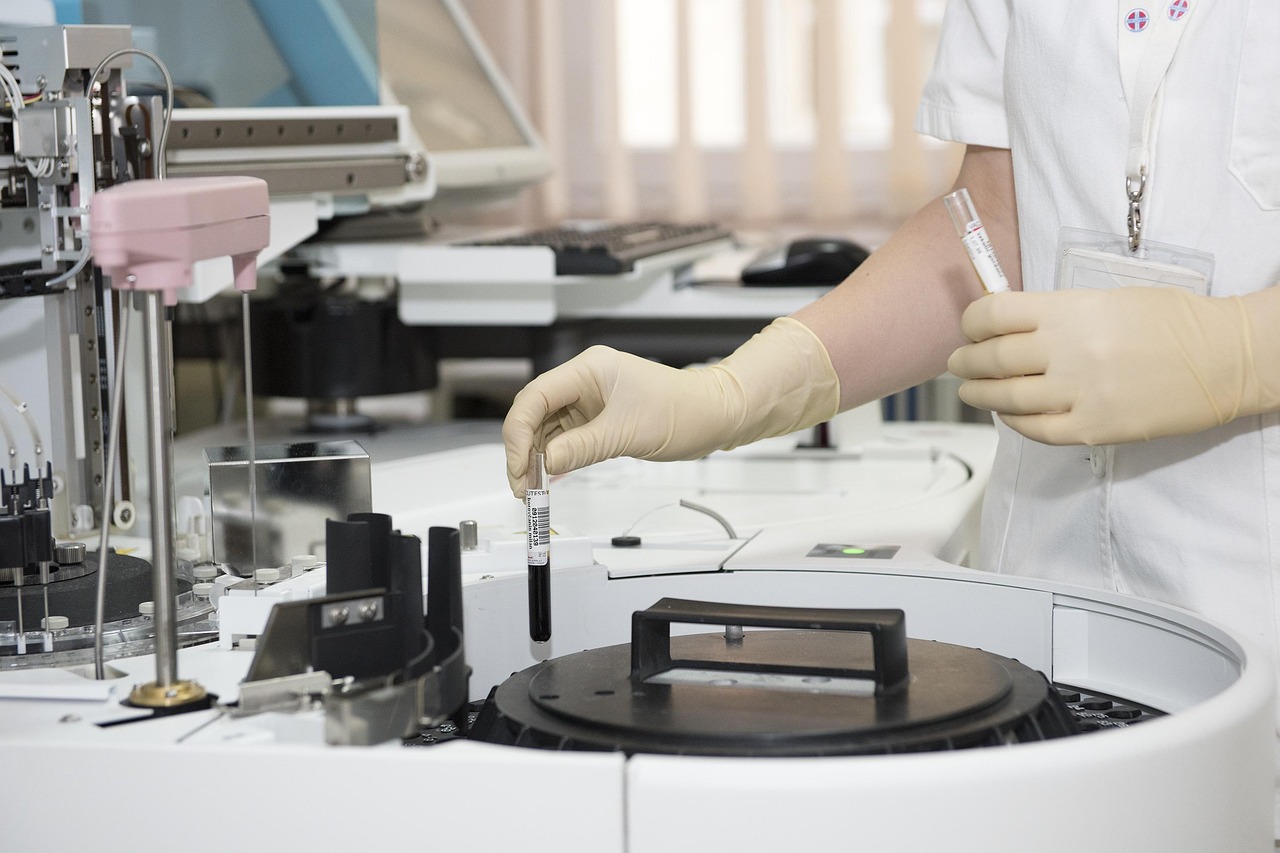
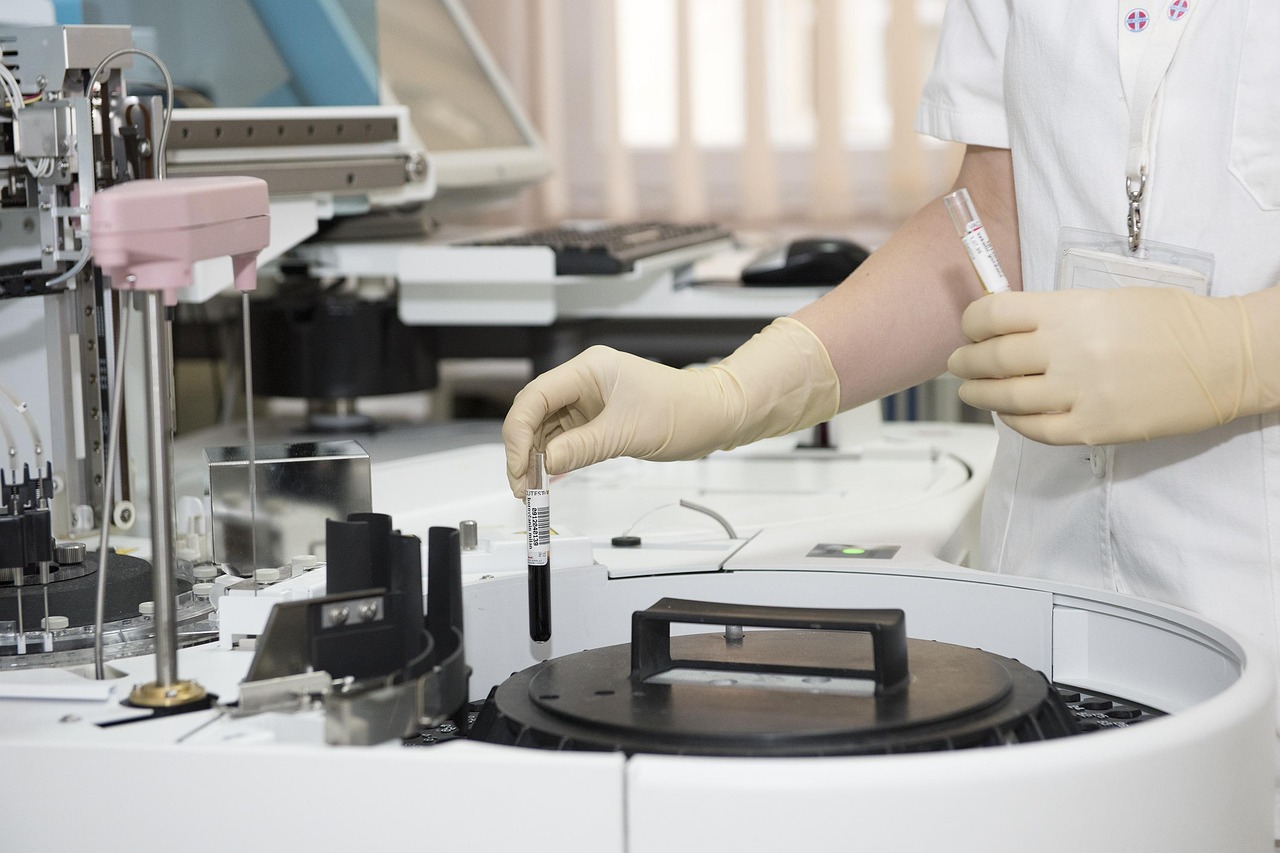
A healthcare professional will usually take a blood sample from a vein in your arm.
-
The sample is sent to a laboratory for analysis.
-
You may experience minimal discomfort during the procedure.
After the Test:
-
Your doctor will discuss the results with you, explaining what they mean and whether further testing is needed.
-
Normal thyroid test results usually mean your thyroid is functioning within a healthy range.
-
Abnormal results might indicate hypothyroidism (low thyroid function) or hyperthyroidism (overactive thyroid).
-
Your doctor may order follow-up tests to confirm the diagnosis and guide treatment options, which may include medication, lifestyle changes, or other interventions.
Conclusion: Making Informed Decisions
Understanding when and how to prepare for a thyroid test is essential for accurate results. While fasting might be recommended in some cases, it’s crucial to follow your healthcare provider’s specific instructions. Open communication ensures that you receive personalized guidance based on your unique health profile. With proper testing and diagnosis, effective treatment options are available for managing thyroid disorders.
Frequently Asked Questions (FAQs)
1. Can I eat before a thyroid test?
Yes, most healthcare providers recommend eating a normal meal 2-3 hours before the test to avoid fasting-related alterations in hormone levels.
2. What if I’m taking medication for thyroid problems? Should I stop taking it before the test?
No, continue taking your medications as prescribed unless your doctor tells you otherwise. Some drugs may need to be taken on a full stomach.
3. How long will it take to get my thyroid test results?
Laboratory processing time varies, but results are usually available within 1-2 weeks after the test is performed. Your doctor’s office will notify you when your results are ready.
4. What if I fasted for too long before the test? Can that affect the results?
Extensive fasting (over 8 hours) before a thyroid test may not be necessary and could potentially lead to false results. Inform your healthcare provider if you have fasted for an extended period. They can determine if repeat testing is needed.
5. How often should I get my thyroid tested?
The need for regular thyroid tests depends on various factors, including your age, medical history, and existing health conditions. Your doctor will recommend a testing schedule based on your individual needs.