TL;DR
If you’re considering a thyroid test, understanding whether and when to fast is crucial for accurate results. This guide breaks down the science behind fasting, its impact on thyroid function, and best practices for preparing for your thyroid test, ensuring reliable data for diagnosis.
Understanding Thyroid Tests and Fasting
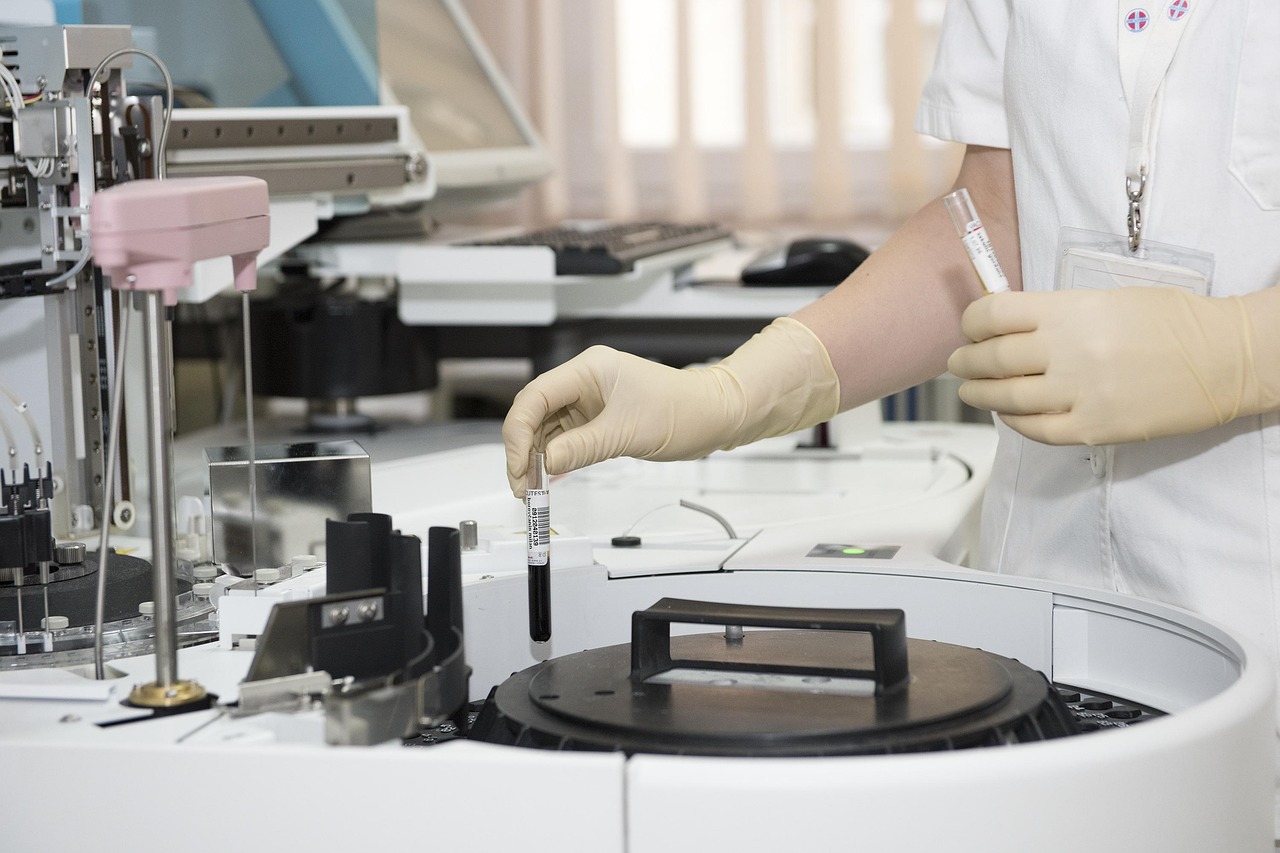
A thyroid test, also known as a thyroid function test or thyroid panel, assesses the levels of thyroid hormones in your blood. It plays a vital role in diagnosing thyroid disorders like hypothyroidism (low thyroid activity) or hyperthyroidism (overactive thyroid). While fasting is not always required, understanding its potential effects can help ensure precise results.
Why Fasting Matters for Thyroid Test Accuracy
Thyroid hormones are primarily produced and regulated by your body’s circadian rhythm, which follows a natural day-night cycle. This intricate system involves the hypothalamus, pituitary gland, and thyroid gland working together.
Fasting can influence this delicate balance:
- Food intake disrupts hormone release: Consuming food, especially carbohydrates, signals to your body that it doesn’t need to produce as much thyroxine (T4) and triiodothyronine (T3), the primary thyroid hormones. This natural decrease in hormone production can skew test results if you get tested soon after eating.
- Fasting encourages TSH release: The thyroid-stimulating hormone (TSH) is produced by the pituitary gland to signal the thyroid gland to make more thyroid hormones. Fasting increases TSH levels, which could appear as hypothyroidism on a test result, even if your thyroid function is actually normal.
When to Fast for a Thyroid Test
The need to fast before a thyroid test depends on the specific type of test being performed:
1. Standard Thyroid Function Panel (TSH, T4, T3):
- General recommendation: Most labs advise fasting for 8-12 hours prior to this test. This allows for more consistent and accurate readings.
- Justification: Fasting minimizes the impact of recent food intake on hormone levels, providing a truer picture of your thyroid’s current state.
2. TSH-only Test:
- Fasting not always required: A TSH-only test is generally less sensitive to fasting than the full thyroid function panel. You can usually eat normally before this test.
3. Radioactive Iodine Uptake (RAIU) Test:
- Specific instructions: For a RAIU scan, you’ll need to follow precise fasting and medication guidelines provided by your doctor. This test requires the administration of radioactive iodine, and proper preparation is crucial for accurate results.
4. Other Specialized Tests:
- Consult your doctor: If you’re undergoing any specialized thyroid tests not listed above, talk to your healthcare provider about their specific fasting requirements.
Optimizing Your Test Preparation
In addition to fasting (if required), there are other steps you can take to prepare for a thyroid test and enhance accuracy:
- Stay hydrated: Drink plenty of water before and after the test.
- Avoid stress: Try to relax on the day of the test as stress can temporarily affect hormone levels.
- Get enough sleep: Aim for 7-8 hours of quality sleep in the night leading up to the test.
- Disclose medications: Inform your doctor about any medications, supplements, or herbs you’re taking, as some can interfere with thyroid test results.
Common Misconceptions About Fasting and Thyroid Tests
Q: Does drinking coffee before a thyroid test nullify the results?
A: While caffeine might slightly affect hormone levels, it’s unlikely to significantly skew a thyroid test result if you fasted appropriately.
Q: Can I eat a light snack before my test?
A: For the standard thyroid function panel, avoiding any substantial food or drink (other than water) for 8-12 hours prior is best. A small, low-fat snack may be tolerated for the TSH-only test, but consult your doctor for guidance specific to your situation.
Q: Do I need to stop taking my thyroid medication before the test?
A: Never stop taking thyroid medication without consulting your doctor. They will provide specific instructions regarding your medication regimen prior to testing.
Conclusion
Understanding the relationship between fasting and thyroid tests is essential for accurate diagnosis. By following your healthcare provider’s recommendations regarding fasting, hydration, sleep, and other preparations, you can ensure that your thyroid test results reflect your true thyroid function. Remember, a well-prepared body yields more reliable data, leading to better care and peace of mind.