TL;DR: Understanding what to avoid before a thyroid test is crucial for accurate results. This article delves into why your doctor might advise steering clear of specific substances, providing insights into how they can impact thyroid function and test outcomes.
Understanding the Importance of Thyroid Testing
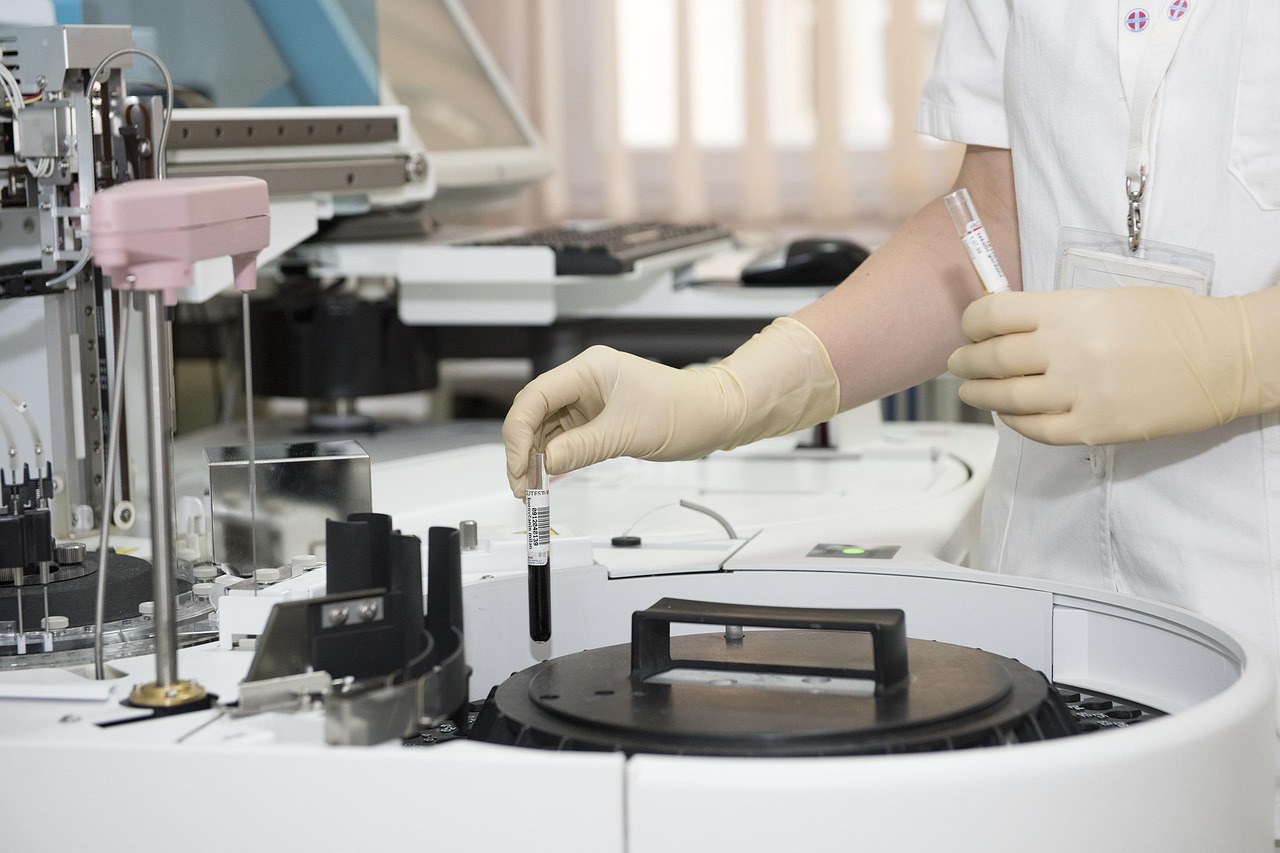
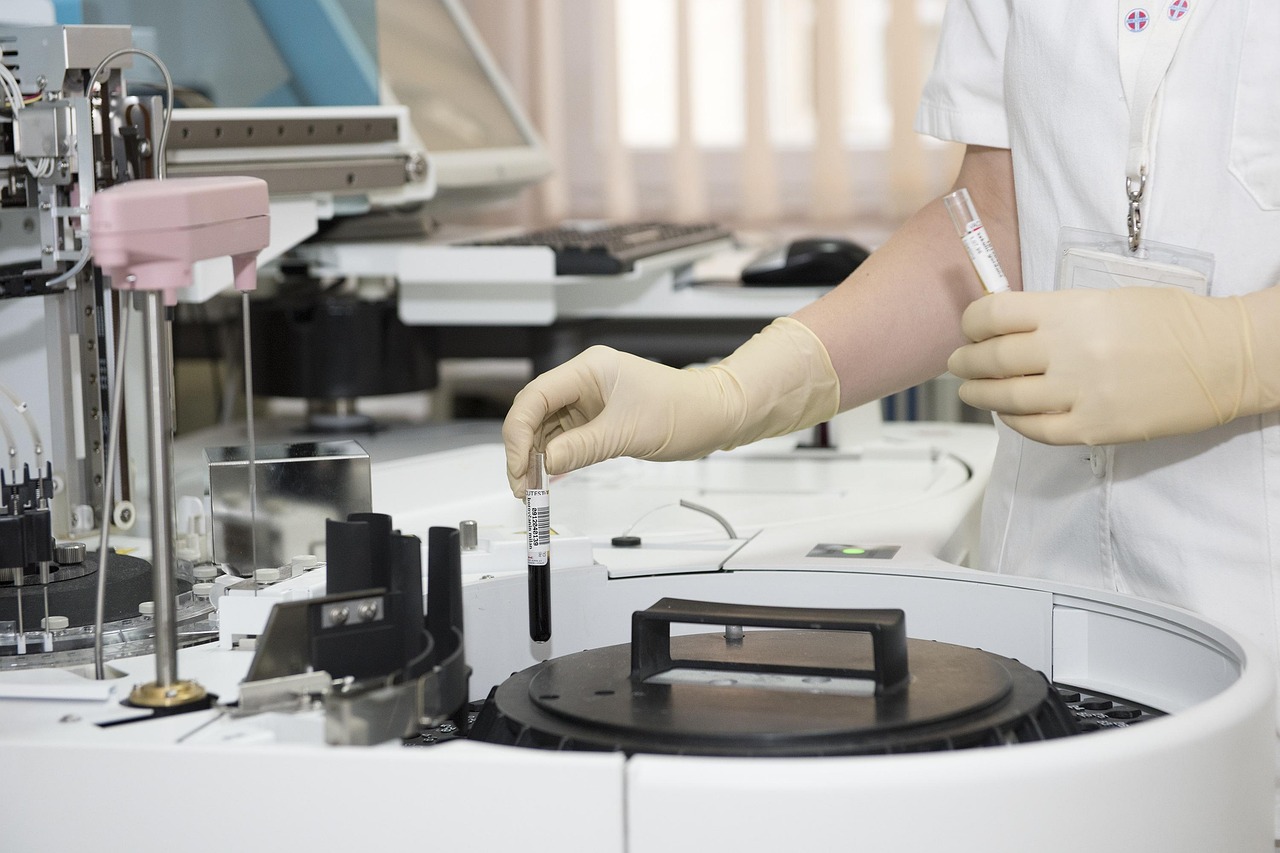
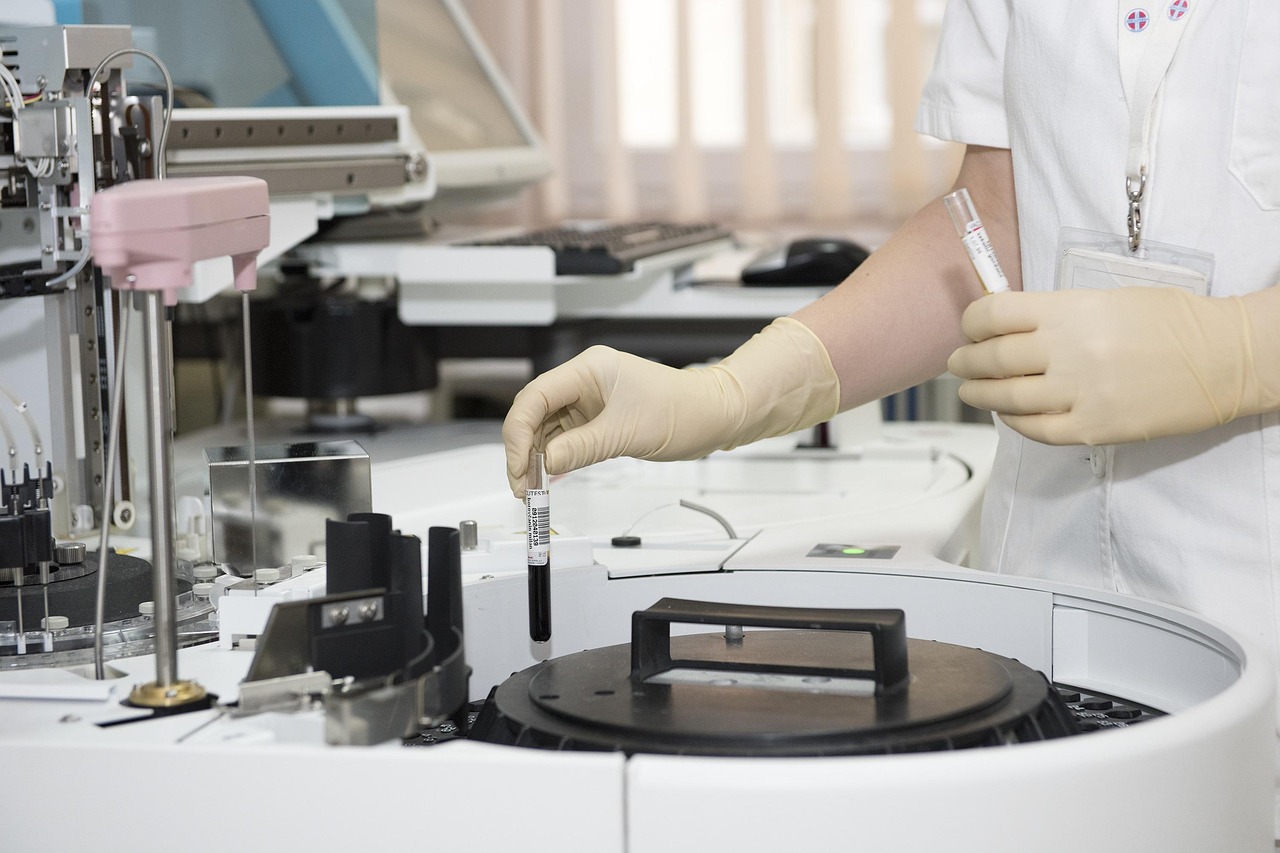
A thyroid test, often involving measurements of thyroid-stimulating hormone (TSH), thyroxine (T4), and triiodothyronine (T3) levels, is a vital tool for diagnosing thyroid disorders. These conditions, ranging from hypothyroidism to hyperthyroidism, affect millions globally, impacting metabolism, energy levels, and overall well-being. Accurate thyroid test results are essential for effective treatment planning.
Why Certain Substances Can Interfere with Thyroid Tests
Your doctor might recommend avoiding certain substances before your thyroid test because they can potentially skew the results. Here’s a breakdown of why:
1. Medications and Supplements:
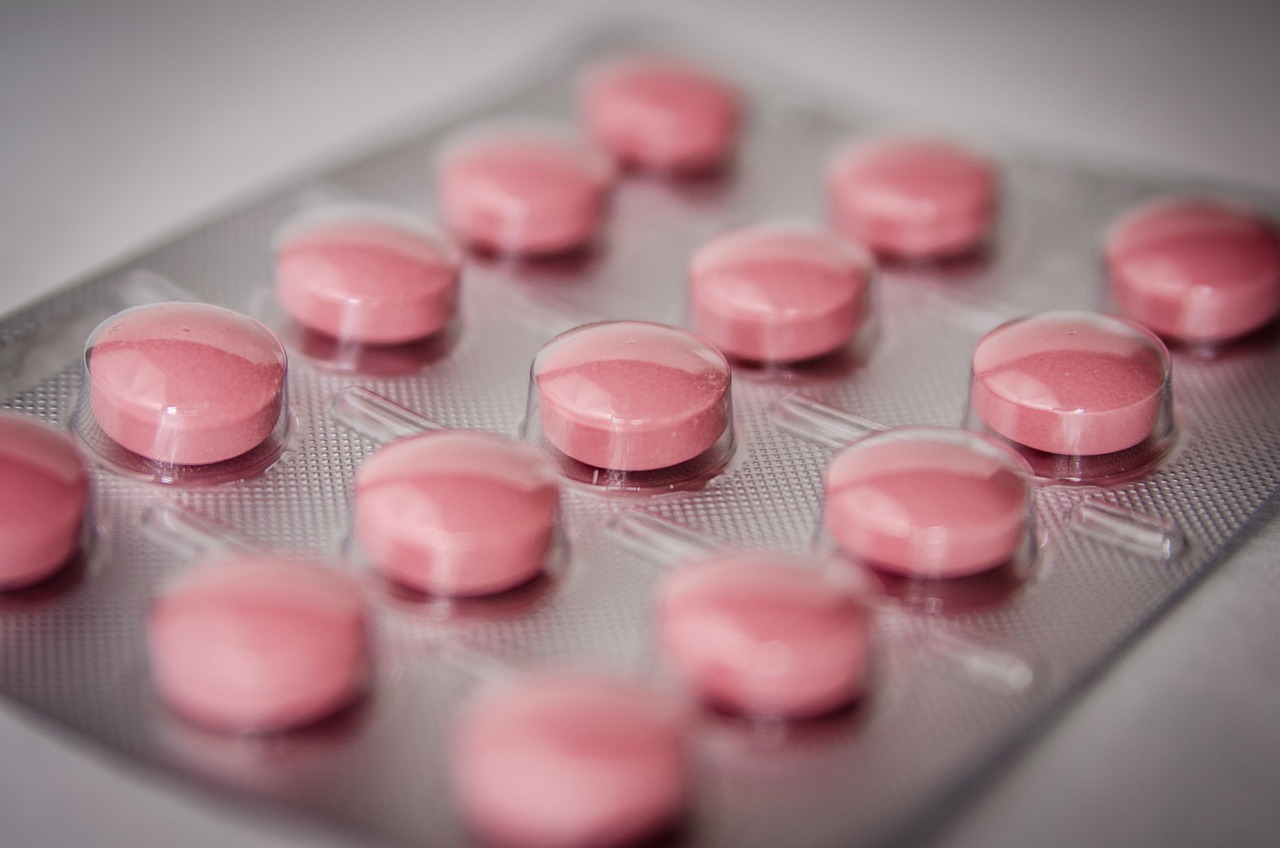
Some medications, both prescription and over-the-counter, as well as dietary supplements, can alter thyroid hormone levels. Informing your doctor about all medications and supplements you take is crucial. Common culprits include:
- Beta-blockers: Used to treat high blood pressure, anxiety, and heart conditions, these drugs can elevate TSH levels, making a hypothyroid condition appear more severe than it is.
- Certain antidepressants (SSRIs): Some selective serotonin reuptake inhibitors (SSRIs) can interfere with thyroid function by affecting the conversion of T4 to T3.
- Anticoagulants: Blood thinners may influence TSH levels, potentially leading to inaccurate results.
- Herbal supplements: Some herbs, like kelp and iodine supplements, can significantly impact thyroid function and should be avoided before testing unless recommended by your doctor.
2. Iodine Exposure:
Iodine is essential for the production of thyroid hormones. While a certain amount of iodine is necessary, excessive exposure can interfere with test results:
- Iodine-rich foods or beverages: Avoid consuming large amounts of iodized salt, seafood high in iodine (like shellfish), or foods fortified with iodine shortly before your test.
- Radiological procedures: If you’ve recently had a CT scan, X-ray, or nuclear medicine procedure involving iodine contrast, wait for your doctor’s advice before undergoing a thyroid test.
3. Stress and Caffeine:
Both stress and caffeine can temporarily disrupt thyroid function:
- Stress: High-stress levels can lead to elevated cortisol hormones, which may impact TSH levels. Aim for relaxation techniques like deep breathing or meditation in the days leading up to your test.
- Caffeine: Consuming large amounts of caffeine (coffee, tea, soda) close to your test time can increase adrenaline levels, potentially affecting TSH measurements. Reduce or eliminate caffeine intake a day or two before the test.
What to Do Before Your Thyroid Test
To ensure accurate results from your thyroid test, follow these guidelines:
- Inform your doctor: Share a complete list of medications, supplements, and any dietary changes you’ve made recently with your healthcare provider.
- Avoid certain foods: Steer clear of iodine-rich foods or beverages for at least 24 hours before the test.
- Manage stress: Practice relaxation techniques to keep stress levels in check leading up to your appointment.
- Limit caffeine: Reduce or avoid caffeine consumption for 24-48 hours prior to testing.
- Get enough rest: Aim for a full night’s sleep before your test as fatigue can impact thyroid function.
When to Expect Your Results
Your doctor will review your test results and compare them with normal ranges to determine if you have a thyroid condition. They may order additional tests or suggest treatment options based on the findings. It’s important to follow up with your doctor for clarification and next steps after receiving your thyroid test results.
Conclusion
Accurate thyroid test results are essential for effective treatment of thyroid disorders. Understanding which substances can interfere with these tests empowers you to take an active role in ensuring reliable results. By following your doctor’s instructions carefully, you contribute to a more accurate diagnosis and personalized care plan.
FAQ:
1. How long do I need to avoid medications or supplements before my thyroid test?
Your doctor will provide specific guidance based on the medication or supplement. Generally, it’s recommended to stop taking them at least 2-7 days prior to testing, but always follow your doctor’s instructions.
2. Can stress really affect my thyroid test results?
Yes, chronic stress can elevate cortisol levels, which may temporarily impact TSH levels. Managing stress through relaxation techniques or lifestyle changes is important for accurate test results.
3. What should I do if I accidentally consume a food high in iodine before the test?
If you realize you’ve consumed something high in iodine too close to your test time, inform your doctor. They may suggest rescheduling to ensure accurate results. In some cases, they might still proceed with the test and interpret the results accordingly.