TL;DR
Understanding what your doctor is looking for when ordering a thyroid test is crucial for accurate results. This guide breaks down the key factors to avoid before testing, ensuring your sample is reliable and providing a clear picture of your thyroid health. From diet changes to medications, learn what steps you can take to prepare for a successful thyroid test.
Introduction to Thyroid Tests
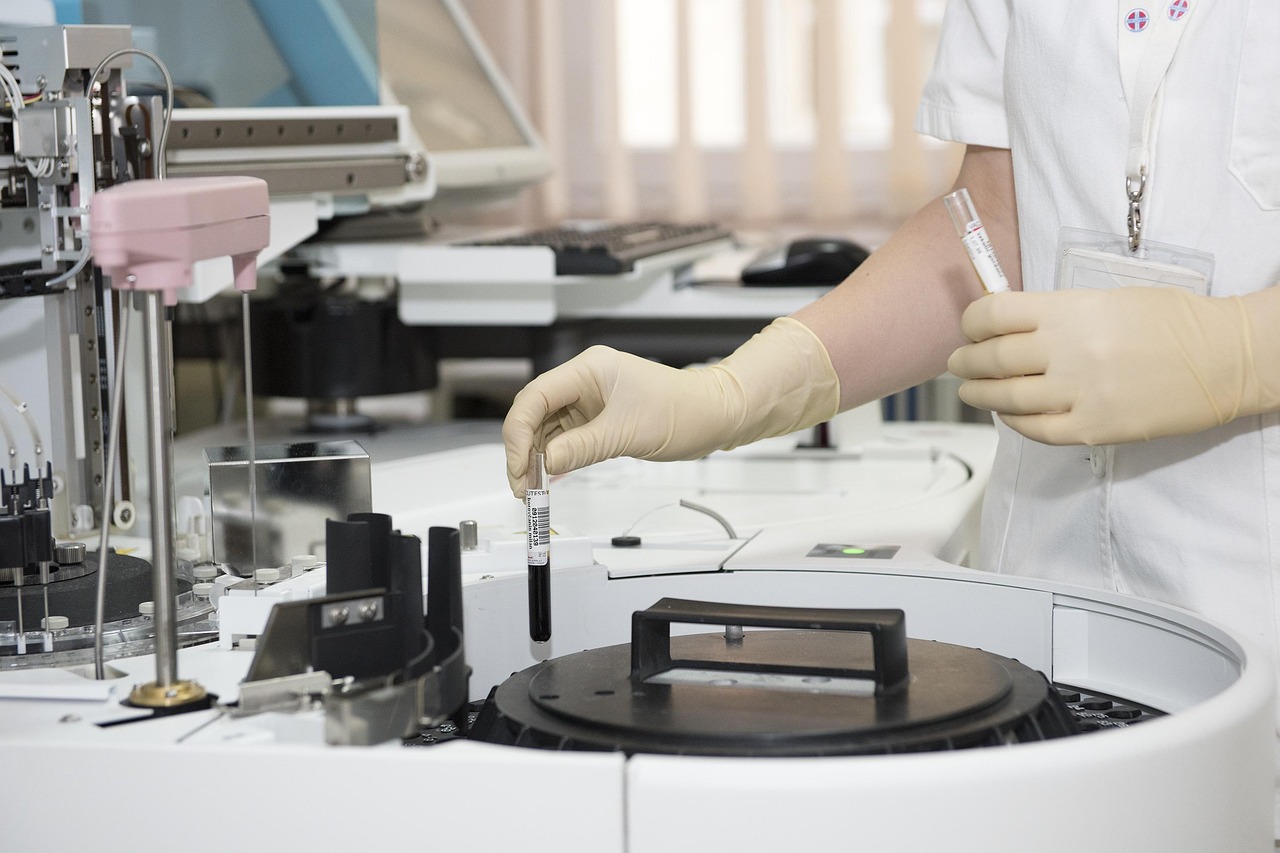
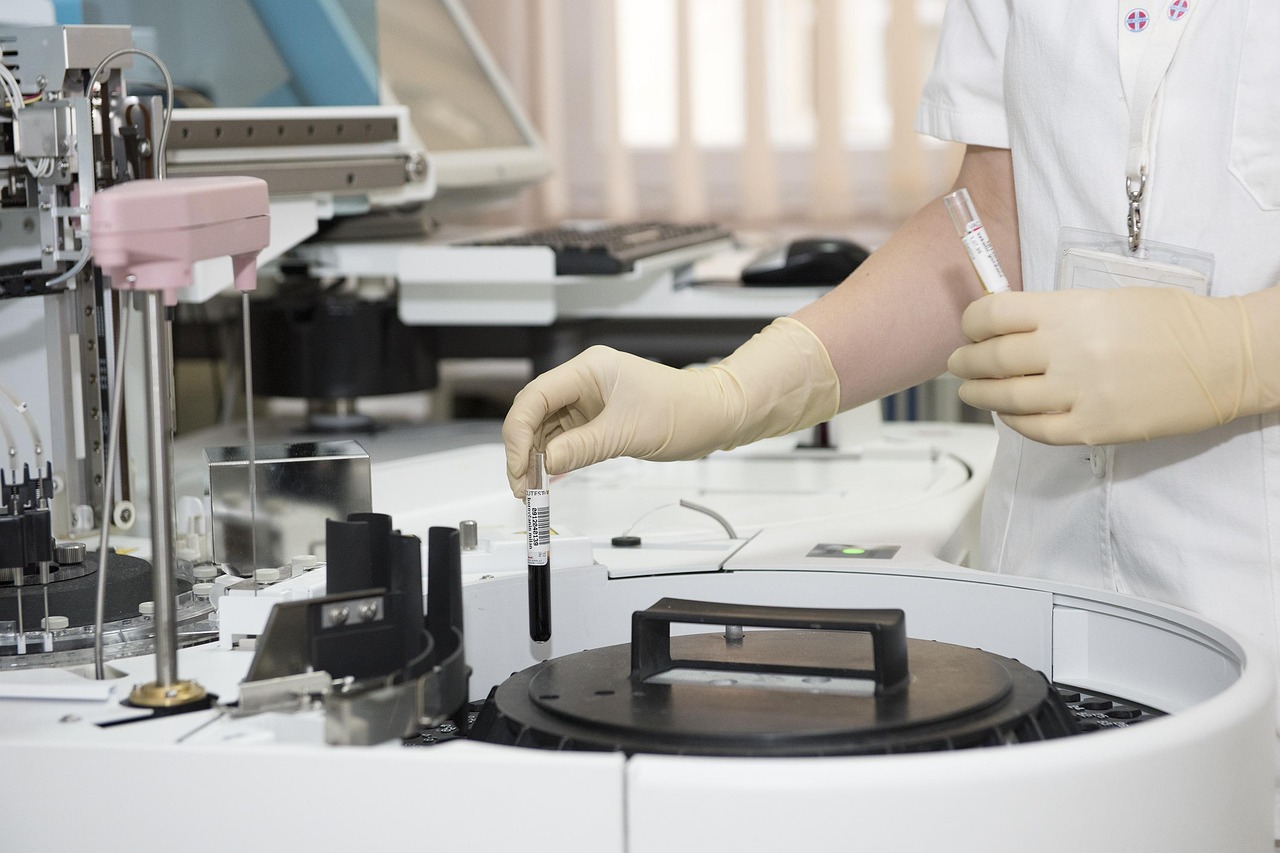
A thyroid test, often ordered by healthcare professionals, is a crucial tool for diagnosing thyroid disorders. These tests measure the levels of thyroid hormones (T3, T4, and TSH) in your blood to assess the function of your thyroid gland. Since thyroid hormones play a vital role in regulating metabolism, these tests can help identify conditions like hypothyroidism, hyperthyroidism, or thyroiditis.
Why Preparation Matters
Before undergoing a thyroid test, it’s essential to understand what your doctor might advise you to avoid. Certain factors can interfere with test results, leading to inaccurate or misleading conclusions. By heeding your doctor’s advice, you ensure that your test provides a reliable snapshot of your thyroid health.
What to Avoid Before a Thyroid Test
1. Medications and Supplements
Why: Certain medications and supplements can alter thyroid hormone levels, affecting test results.
What to Do:
- Stop or Reduce Medications: If possible, discuss with your doctor the option to temporarily stop or reduce the dosage of any medications that might interfere, such as beta-blockers, antidepressants, or certain heart medications.
- Avoid Supplements: For at least a week before the test, refrain from taking any supplements, especially those containing iodine, selenium, or thyroid hormones.
2. Iodine Intake
Why: Iodine is essential for thyroid hormone production. Significant fluctuations in iodine intake can affect test results.
What to Do:
- Maintain Normal Diet: Avoid excessive intake of iodine-rich foods like iodized salt, seafood, and seaweed for a week before the test.
- Consult About Iodine Supplements: If you’re taking iodine supplements, discuss with your doctor if and when you should stop.
3. Stress and Physical Activity
Why: High stress levels and intense exercise can temporarily disrupt thyroid function, potentially skewing test results.
What to Do:
- Manage Stress: Practice stress-reducing techniques like meditation, yoga, or deep breathing exercises in the week leading up to the test.
- Moderate Exercise: Continue regular exercise but avoid excessive, intense physical activity close to the test date.
4. Dietary Changes
Why: Drastic dietary changes can affect thyroid hormone levels.
What to Do:
- Stick to Normal Diet: Avoid starting a new diet or making significant changes to your eating habits in the week before the test.
- Maintain Balanced Meals: Continue to eat a balanced diet rich in fruits, vegetables, lean proteins, and whole grains.
5. Recent Infections or Illnesses
Why: Inflammatory conditions or recent illnesses can temporarily affect thyroid function.
What to Do:
- Monitor Health: Inform your doctor about any recent or ongoing infections or illnesses.
- Time Test Appropriately: Your doctor may recommend rescheduling the test if you’ve recently had an illness that could impact results.
Frequently Asked Questions (FAQs)
Q: How long before a thyroid test should I avoid these factors?
A: Your doctor will provide specific guidance, but generally, it’s recommended to avoid the listed factors for at least 1-2 weeks before the test to ensure accurate results.
Q: Can stress really affect my thyroid test results?
A: Yes, chronic stress can lead to temporary changes in thyroid hormone levels. Managing stress through relaxation techniques and lifestyle adjustments is crucial for accurate testing.
Q: Are there any foods I should eat before a thyroid test?
A: While maintaining a normal diet is essential, ensuring adequate iodine intake through a balanced diet is beneficial. Avoid excessive iodine supplements, though.
Q: What if I’m taking medications that might interfere? Should I stop them?
A: Never stop medications without consulting your doctor. They may advise you to temporarily adjust dosages or discuss alternative options to ensure accurate test results.
Conclusion
Preparing for a thyroid test involves understanding and heeding your doctor’s advice on what to avoid. By following these guidelines, you contribute to the accuracy of your test results, ensuring a clear diagnosis and appropriate treatment if needed. Remember, your doctor’s recommendations are tailored to your specific situation, so always seek their guidance for personalized care.